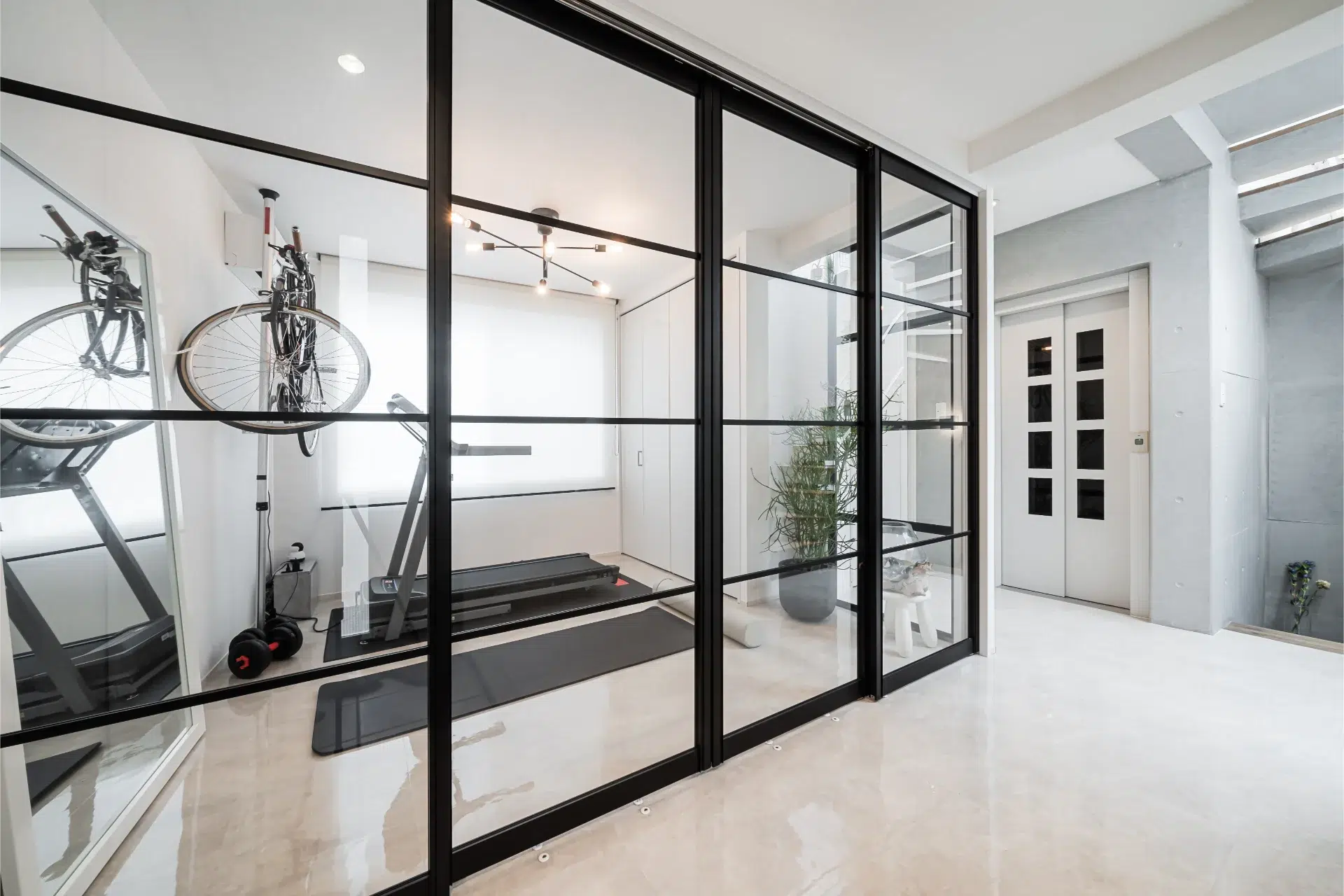
Choosing an Aluminium Washroom Door involves more than matching a frame to the room’s color. The door must handle frequent use, changing humidity, and regular cleaning without becoming difficult to operate. A busy family bathroom has different demands from a quiet office washroom. Small details matter.
Start with the opening’s exact width, height, and wall condition. A few millimeters can affect installation and the gap beneath the door. Consider the panel’s thickness, frame construction, hinges, lock, and handle. These parts shape how the door feels after hundreds of openings, not just how it looks on delivery. Ask the supplier for material specifications, care instructions, and warranty terms. Claims about corrosion resistance or acoustic privacy should be checked against the product’s documented performance.
Think about ventilation and privacy together. A tight-fitting door may limit airflow, while a large gap may feel uncomfortable in a shared washroom. Surface finish matters, too: fingerprints and water spots show more clearly on some colors than others. A matte finish can be practical, though it is not automatically more durable. There is no single best choice. Even careful planning can miss a site detail, such as an uneven floor or a handle that clashes with nearby fixtures. Measure twice, and confirm the installation requirements before ordering. The sections ahead explain how to compare construction, finishes, hardware, maintenance, and cost, so you can choose a door that suits the space rather than relying on appearance alone.
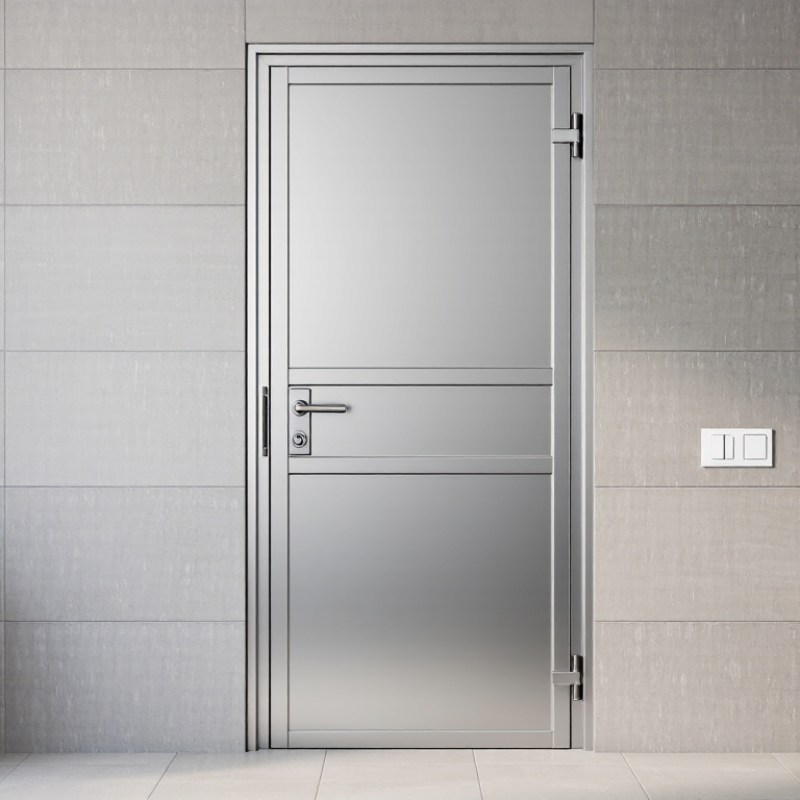
How to Choose the Best Aluminium Washroom Door
Identify the Washroom’s Requirements and Operating Conditions
Start with the room itself. A compact staff washroom with one sink has different demands from a busy public facility with several cubicles. Note the door opening, traffic direction, privacy needs, and available clearance for users and cleaning carts. Then examine daily exposure: splashing near basins, wet floors, cleaning chemicals, and persistent steam can all affect the frame, finish, hinges, and latch. Moisture is relentless. Check that the door’s finish and hardware are suitable for the actual cleaning routine, not just the showroom appearance.
Ventilation is part of the door decision. The U.S. EPA recommends keeping indoor relative humidity below 60%, ideally between 30% and 50%, to help limit moisture problems. ASHRAE Standard 62.2-2022 specifies bathroom exhaust rates of 50 cubic feet per minute intermittently or 20 continuously for dwelling units. That is a residential benchmark, not a specification for every public washroom; confirm local project requirements with a qualified building professional. Observe whether the room clears steam after peak use. A door that closes tightly may support privacy, but poor airflow can leave dampness lingering. A detail easy to miss: the right balance depends on the exhaust system, door undercut, and actual traffic. Measure, observe, and question assumptions before choosing.
Aluminium washroom doors come in hinged, sliding, and folding designs. A hinged door is simple to operate and gives a firm closure, but it needs clear floor space. Sliding doors suit narrow rooms where a swing would hit a basin or toilet. Check the track for smooth movement and accessible cleaning. Folding doors save space, though their multiple joints may need more attention. Small details matter.
Frame depth should match the wall opening, not just its visible edge. A slim frame gives a lighter look, while a deeper profile can feel sturdier and may better cover uneven edges. Ask how the frame is finished and how water will drain near the bottom. In humid rooms, poor fitting can leave persistent damp spots. Measurements deserve a second check.
Panel choice affects privacy, airflow, and cleaning. Solid panels offer stronger visual privacy; frosted or textured inserts let light pass without a clear view. Narrow ventilation gaps can help airflow, but they may reduce sound privacy. Flat panels are usually easier to wipe than deeply grooved designs. A wood-look finish can warm a tiled room, yet scratches may show differently from one finish to another. Not always obvious. Compare a physical sample under the room’s lighting before deciding.
| Category | Option | Key Characteristics | Privacy and Ventilation | Moisture and Maintenance | Best Suited For |
|---|---|---|---|---|---|
| Door construction | Aluminium frame with compact laminate panel | A metal perimeter frame holds a dense laminate panel. Panel thickness, edge treatment, and hardware compatibility vary by system. | Provides a solid visual barrier when fitted with an opaque panel; ventilation can be added through a suitable gap or grille. | Compact laminate is commonly selected for wet or frequently cleaned areas. Protect cut edges and hardware openings according to the manufacturer’s instructions. | Busy public washrooms where resistance to frequent cleaning and everyday knocks is important. |
| Door construction | Aluminium frame with honeycomb-core panel | Lightweight panel construction uses a cellular core between facing sheets. Performance depends on the face material, bonding, and edge sealing. | Usually offers good visual privacy with an opaque face; ventilation is determined by the door layout. | Low weight can reduce the load on hinges. Specify moisture-suitable facings and sealed edges for washroom use. | Projects that need a lighter door and a simple, solid-panel appearance. |
| Door construction | Aluminium louvred door or louvred panel | Angled or fixed openings allow air to pass through the door. The amount of airflow depends on the louvre design and free area. | Offers more ventilation but generally less visual and acoustic privacy than a solid panel; louvre direction and placement matter. | Aluminium components are generally easy to wipe clean. Keep openings clear of dust and check the finish is suitable for the cleaning products used. | Locations where airflow is a priority and the louvre arrangement provides adequate privacy. |
| Door construction | Aluminium-framed door with obscure glazing | Uses translucent or patterned safety glazing in an aluminium frame. The glazing specification should suit the location and applicable safety requirements. | Diffuses light while reducing clear visibility; privacy depends on the glass pattern, lighting, and viewing angles. | Non-porous glass is straightforward to clean, though water spots may show. Confirm that glazing and seals are appropriate for the application. | Washrooms where borrowed light is useful and the selected glazing provides sufficient privacy. |
| Frame design | Face-fixed frame | Frame is secured to the face of the wall opening. Installation is generally direct, subject to wall condition and fixing requirements. | Does not determine privacy; the door panel and clearances do. | Check fixings and the wall substrate. A suitable seal at the frame-to-wall junction helps limit water entry into the joint. | Retrofits or openings where a face-mounted frame is practical. |
| Frame design | Recessed or reveal-mounted frame | Fits within the wall opening or reveal, creating a more integrated appearance. Accurate opening measurements are important. | Does not determine privacy; coordinate door clearances and partition layout. | Frame-to-wall joints need suitable finishing and sealing, especially in areas exposed to regular washdown. | New installations or openings designed to accommodate a neat, built-in frame. |
| Frame design | Adjustable-depth frame | Designed to accommodate a range of wall or partition thicknesses, within the adjustment range specified for the frame. | Does not determine privacy; confirm that the door and partition arrangement meet the project’s privacy needs. | Check that the selected frame range suits the finished wall thickness and that joints are sealed appropriately. | Projects where wall thickness may vary or includes finish layers. |
| Panel design | Plain, opaque panel | Simple uninterrupted face with few visual details. Available panel materials and finishes vary by door system. | Typically provides strong visual privacy when correctly sized and installed. | Smooth faces are usually easy to wipe down. Select a finish compatible with the cleaning routine. | General-purpose cubicles where a clean, understated appearance is preferred. |
| Panel design | Textured or patterned panel | Adds surface texture or a decorative pattern; the depth and finish can affect how visible marks appear. | Opaque designs can maintain privacy; confirm the pattern does not include transparent or open sections. | Deep textures may require more effort to clean than smooth surfaces. Review care guidance before selection. | Washrooms where appearance and reduced visibility of minor surface marks are priorities. |
| Panel design | Panel with ventilation grille | Includes a dedicated opening or grille to support air movement. The grille size and position should suit the ventilation design. | Improves air passage but can reduce privacy if the opening creates a direct line of sight. | Choose a cleanable grille and keep it unobstructed. Confirm that the panel edges around the opening are properly finished. | Enclosed washrooms where additional air movement is required and privacy can be maintained. |
Selection tip: Compare the complete door system—not just the panel—including frame compatibility, hinges, locks, edge sealing, clearances, cleaning requirements, and the ventilation and privacy needs of the washroom.
An aluminium washroom door should offer privacy without making the room feel damp or stuffy. Check the panel from both standing and seated eye levels, especially near a changing area. Opaque panels prevent clear views, while carefully placed ventilation openings can still move air. Keep openings away from direct sightlines. A narrow floor gap may help airflow, but it should not expose more of the room than users find comfortable.
Durability depends on more than the aluminium frame. Look closely at the coating, panel edges, hinges, and fasteners, where moisture and frequent cleaning can cause wear. Ask how the finish handles routine cleaning, and inspect sample corners for chips or rough seams. Small defects matter. I once assumed a heavier door would last longer; hardware quality and installation proved just as important.
Safety details deserve a hands-on check. The door should swing smoothly, stay aligned, and avoid sharp edges or pinch points around the frame. Test the handle with wet hands, and make sure the latch can be operated without awkward force. If the door includes glass, confirm that its construction suits a busy washroom. Ventilation, privacy, and durability sometimes pull in different directions, so the best choice may involve a compromise worth reviewing on site.
Measure the finished opening, not just the old door. Record width, height, wall thickness, and floor clearance; uneven tiles can change the fit. For accessible routes in the United States, the 2010 ADA Standards specify at least 32 inches of clear doorway width with the door open 90 degrees. Local requirements may differ. Check the actual clear opening before ordering.
Hardware needs to suit frequent use and a damp room. BHMA’s ANSI/BHMA A156.2 standard tests Grade 1 bored locks for 1,000,000 operating cycles, a useful benchmark for high-traffic facilities. Choose corrosion-resistant hinges and latches, and confirm they work with the door’s frame and thickness. A satin or anodized finish can help hide fingerprints, but harsh cleaners may still damage some coatings. Ask the supplier which cleaning products are suitable.
Tips: Tape out the swing on the floor. Check for clashes with sinks, partitions, and grab bars. Confirm the wall can support the fixing points, then have the installer verify plumb and level before sealing. Small gaps matter; I would recheck them after the door is hung.
Choosing an aluminium washroom door means balancing its purchase price with the work it will need later. A basic finish may suit a lightly used staff washroom, while busy public facilities may justify sturdier panels and corrosion-resistant hardware. Compare the full specification, not just the door price. Hinges, locks, seals, and installation can change the overall cost. Small details matter.
Tips: Ask how the finish should be cleaned and which products to avoid. Check whether replacement hinges or locks are readily available. A simple monthly inspection can catch loose screws, worn seals, or sticking latches before they become bigger repairs.
Match the door to the cleaning routine your team can actually maintain. Smooth surfaces are generally easier to wipe than textured ones, especially around handles and lower edges where water and grime collect. Mild detergent and a soft cloth are often enough; abrasive pads may damage the finish. Not always. Follow the supplier’s care instructions, since finishes differ. A premium door is not automatically the best value if its features exceed your needs. Be honest about traffic, cleaning time, and the repair budget. Your maintenance plan should fit the building, not an ideal schedule that nobody follows.
Measure the opening, available clearance, and traffic direction. Consider privacy, cleaning carts, splashing, steam, and the room’s daily cleaning routine.
Persistent dampness can affect the frame, finish, hinges, and latch. Choose finishes and hardware suited to actual cleaning conditions, not just showroom appearance.
The EPA recommends indoor humidity below 60%, ideally 30% to 50%. Residential exhaust benchmarks may not suit public facilities. Confirm project needs with a qualified building professional.
Observe how quickly steam clears after busy periods. Consider the exhaust system, door undercut, and traffic together. Measure twice.
Sliding doors can suit narrow rooms where a swinging door might hit a basin or toilet. Check that the track moves smoothly and is easy to clean.
Hinged doors offer simple operation and firm closure, but need swing space. Folding doors save space, though their joints may need extra attention.
Match frame depth to the wall opening. Solid panels offer more visual privacy; frosted inserts admit light. Ventilation gaps may reduce sound privacy.
Flat panels are generally easier to wipe than deeply grooved ones. Compare a physical sample under the room’s lighting, since scratches can look different. Not always obvious.
Choosing the right Aluminium Washroom Door starts with understanding where and how it will be used. Consider the room’s size, traffic, moisture levels, and need for privacy or airflow. Then compare suitable door styles, frame options, and panel designs, balancing appearance with practical needs. A well-matched door should offer dependable privacy, adequate ventilation, lasting durability, and safe, easy operation.
Before making a decision, confirm the opening dimensions and check that the hardware, finish, and installation method suit the space. Think about how often the door will need cleaning or adjustment, as well as the budget for both purchase and ongoing care. By weighing these factors together, you can select an Aluminium Washroom Door that fits the room, performs reliably, and remains straightforward to maintain over time.