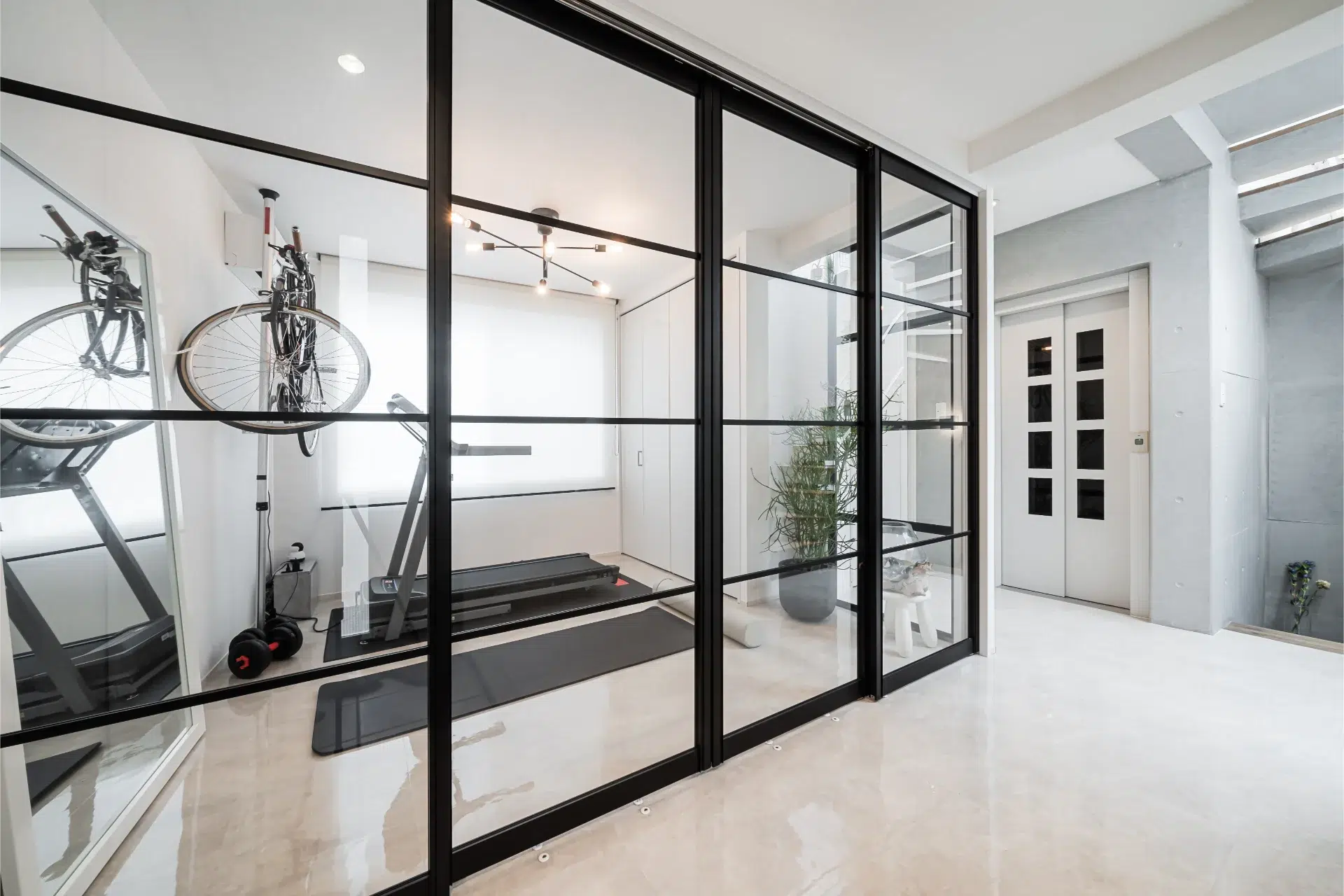
Featured Commercial Fenestration Systems
Direct factory supply of certified aluminum window profiles, architectural doors, and glass facade systems tailored for developers, wholesalers, and general contractors.
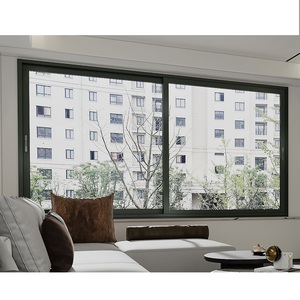
Aluminum Sliding Windows & Double Glass Sliding Door System
View Specifications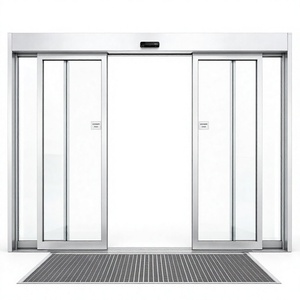
OUTUS Commercial Automatic Sensor Sliding Door System
View Specifications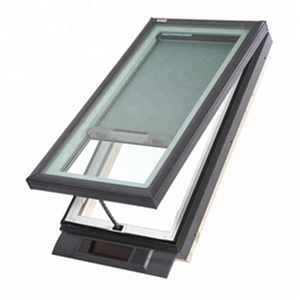
Prefabricated & Container Home Aluminum Roof Windows & Doors
View Specifications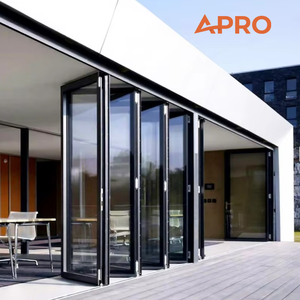
APRO Heavy-Duty Thermal Break Folding Bifold Patio Door
View Specifications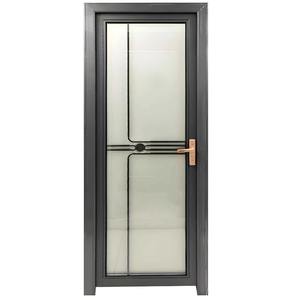
Minimalist Waterproof Aluminum Alloy Glass Bathroom Door
View Specifications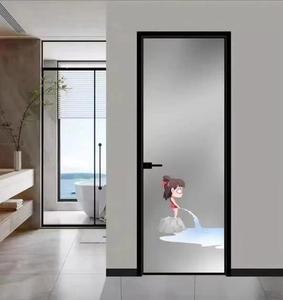
Privacy Frosted Glass Interior Translucent Aluminum Swing Door
View Specifications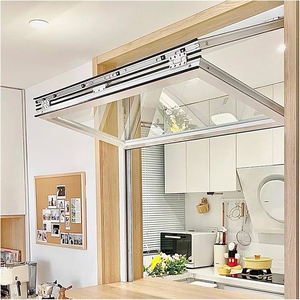
Vertical Kitchen Hidden Folding Glass Window & Bar Partition
View Specifications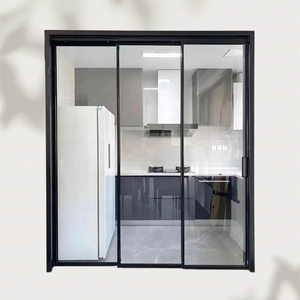
Custom Interior Tempered Glass Aluminum Sliding Door System
View SpecificationsArchitectural Fenestration & CE Certified Aluminum Windows: An Executive Sourcing Guide
In modern commercial and high-end residential architectural design, the fenestration envelope represents both a critical aesthetic statement and a cornerstone of building physics. Selecting an authentic CE certified aluminium glass window manufacturer and wholesaler is no longer merely a procurement task; it is an engineering decision that directly impacts thermal envelope compliance, structural wind load performance, acoustic isolation, and long-term lifecycle operating costs.
Under the European Construction Products Regulation (CPR 305/2011) and the governing harmonized standard EN 14351-1, CE marking verifies that an aluminum window or door system has undergone rigorous Initial Type Testing (ITT) and operates under a continuous Factory Production Control (FPC) quality framework. As global energy efficiency standards tighten across the EU, North America (NFRC/AAMA), and the Asia-Pacific region, enterprise B2B buyers must navigate complex mechanical specifications, extrusion alloy grades, polyamide thermal breaks, and low-emissivity (Low-E) insulated glass unit (IGU) configurations to optimize project delivery.
Information Gain Insight: Selecting CE certified fenestration eliminates regulatory delays during municipal building inspections. CE marking ensures audited U-factor thresholds, air permeability ratings (Class 4 EN 12207), watertightness under dynamic pressure (Class E1050 EN 12208), and wind load resistance up to Class C5 (EN 12210).
Precision Manufacturing & Factory-Direct Value Engineering
At Vela Modern Windows & Doors Industrial Ltd., our production philosophy combines state-of-the-art CNC machining with rigorous artisanal hand-finishing. Eliminating intermediary dealer markups allows project developers, facade contractors, and global wholesalers to reallocate up to 50% in cost savings directly into upgraded glass performance coatings or architectural profile customizations.
26-Step Precision Fabrication
Every profile undergoes an automated 26-step manufacturing workflow including precision cutting, CNC corner crimping, drain milling, and hardware pocketing.
4-Stage Quality Audit
Multi-stage verification spanning incoming raw alloy inspection, profile machining tolerances, sealed IGU dew point analysis, and final pre-shipment assembly validation.
Thermally Broken Profile Mechanics
High-density Polyamide PA66 GF25 (25% glass fiber reinforced) thermal struts separate exterior and interior aluminum profiles to eradicate conductive thermal bridging.
Technological Development Trends in Aluminum Fenestration (2025–2030)
The global architectural fenestration market is undergoing a seismic paradigm shift driven by stringent net-zero energy building codes, carbon neutral mandates, and occupant demand for expansive, uninterrupted outdoor vistas. Understanding these technological trends is paramount for wholesalers and architects structuring multi-year procurement contracts:
1. Micro-Slim Sightlines & Structural Glass Interlocks
Traditional structural aluminum profiles with heavy 80mm–100mm sightlines are rapidly giving way to minimalist narrow-stile systems featuring sightlines under 21mm. By transferring structural wind loads directly to reinforced vertical interlocks made of carbon fiber or high-tensile stainless steel inserts, modern sliding and panoramic doors achieve floor-to-ceiling heights exceeding 4.5 meters while maintaining sleek architectural aesthetics.
2. Vacuum Insulated Glass (VIG) & Aerogel Extrusion Infill
While double and triple insulated glass units with argon gas fill remain the industry baseline (achieving U-values between 1.1 and 1.4 W/m²K), next-generation commercial fenestration is integrating Vacuum Insulated Glass (VIG). VIG technology utilizes a micro-pillar array within a 0.2mm vacuum gap, delivering center-of-glass U-values as low as 0.60 W/m²K in profiles under 80mm in depth. Furthermore, insulating cavity infills using aerogel strips drastically curb thermal radiation through the frame profile.
3. Circular Alloy Economy & ASI-Certified Sourcing
Sustainability mandates now require enterprise suppliers to furnish environmental product declarations (EPDs). Leading manufacturers utilize 6063-T6 architectural grade aluminum formulated with over 75% post-consumer recycled billet, reducing embodied carbon by up to 85% compared to primary smelted aluminum without compromising yield strength or corrosion resistance in coastal environments.
4. Smart Mechatronic Integration & Hidden Motorization
Heavy-duty panoramic sliding doors and high-level awning windows are increasingly integrated with concealed brushless linear drive motors, multi-point electronic lock actuators, and building management system (BMS) sensors. Automated opening sequences monitor ambient CO2, indoor air quality, and dynamic wind pressure warnings to maintain balanced natural ventilation.
Future B2B Procurement & Sourcing Strategies
For high-volume wholesalers, building material distributors, and real estate developers, managing fenestration procurement requires evaluating total cost of ownership (TCO) rather than upfront unit pricing. The matrix below contrasts traditional regional supply chains with direct manufacturer partnerships:
| Evaluation Parameter | Local Retailer / Intermediary Dealer | Vela Direct Factory Wholesale (CE Certified) |
|---|---|---|
| Pricing Structure | 100% to 150% cumulative distribution markup | Factory-direct wholesale pricing (Up to 50% savings) |
| Custom Engineering & BIM Support | Limited catalog sizes; basic shop drawings | Full CAD/BIM Level 3 integration; fully custom sizes & shapes |
| Quality Traceability | Secondary documentation; fragmented warranties | 26-step audited production log; direct factory certification |
| Profile Alloy & Glass Customization | Standard stock finishes & glazing units | Custom anodizing, PVDF Kynar 500 coating, triple Low-E options |
| Regulatory & Lab Compliance | Inconsistent test reports across product lines | Harmonized EN 14351-1 CE, NFRC, AAMA 101/I.S.2/A440 verified |
Frequently Asked Procurement Questions (FAQ)
Why is CE Certification essential when importing aluminum windows & doors?
CE certification confirms compliance with European Union harmonized standards (EN 14351-1 for external pedestrian doorsets and windows). It guarantees that structural load capacity, air permeability, water tightness, and thermal transmittance have been evaluated by accredited third-party testing facilities. Without CE marking, imported fenestration products risk rejection by customs or building compliance authorities across Europe and international markets that adhere to EU standards.
What is the engineering advantage of PA66 GF25 thermal breaks over PVC strips?
Polyamide 66 reinforced with 25% glass fiber (PA66 GF25) possesses an engineered coefficient of thermal expansion nearly identical to architectural aluminum alloys. This prevents structural shearing or delamination under extreme thermal cycles (-30°C to +80°C). PVC strips exhibit significantly higher expansion rates, leading to structural instability, seal failure, and draft infiltration over time.
How do surface finish choices impact coastal durability and warranty periods?
For aggressive coastal marine environments (Class C4/C5 atmospheric corrosion), PVDF (Fluoropolymer Kynar 500) coating or Qualanod-certified architectural anodizing (minimum 25-micron layer thickness) is mandatory. These surface treatments prevent filiform corrosion, chalking, and UV fading, enabling long-term operational warranties exceeding 25 years.
Can factory-direct wholesale orders be tailored for modular and containerized structures?
Yes. Our engineering team specializes in custom fenestration frames engineered specifically for modular container housing, steel-frame construction, and prefabricated building systems. Features include integrated perimeter mounting flanges, sub-frame receptor channels, and specialized structural vibration dampening seals for transit stability.
What lead times and packaging safeguards are implemented for international freight?
Standard fabrication lead times range from 20 to 30 days depending on system complexity and custom anodizing colors. For oceanic shipping, every unit is protected with peelable protective film, corner guards, moisture-barrier wrapping, and packed into steel-reinforced fumigated wooden crates designed for forklift unloading.
Partner With a Trusted Global Fenestration Manufacturer
Whether you are specifying panoramic sliding walls for a luxury residential community or sourcing bulk CE-certified window profiles for commercial distribution, our technical engineering desk is ready to review your elevation drawings and window schedules.