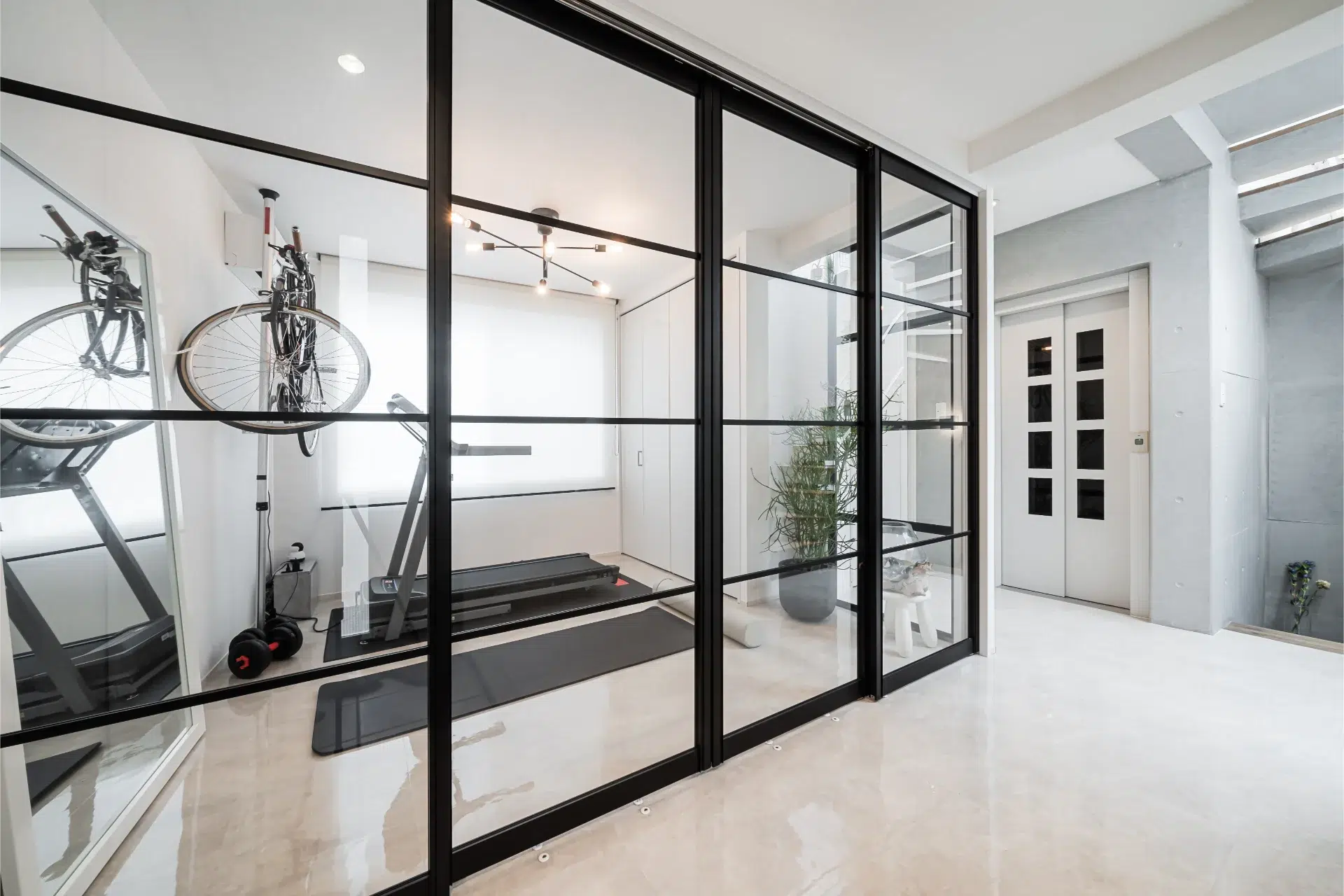
Featured Architectural Aluminum Door & Window Systems
Engineered to meet stringent European CE Standards (EN 14351-1), NFRC, and AAMA specifications for commercial, luxury residential, and hospitality developments.
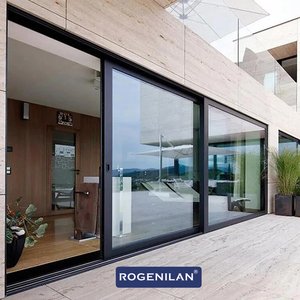
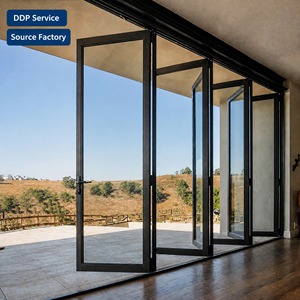
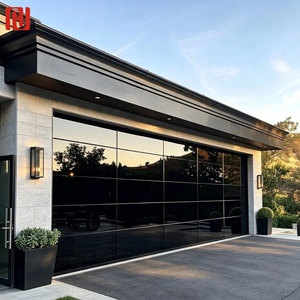
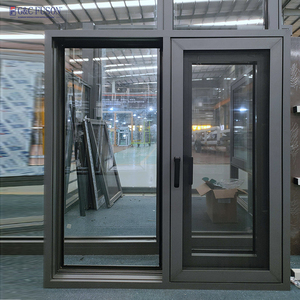
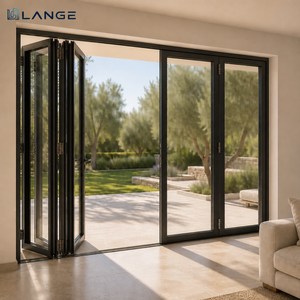
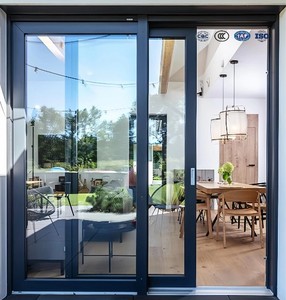
Executive Summary: CE Certification Standards for Architectural Aluminium Hinged Doors
In the contemporary global building products marketplace, the specification of CE Certified Aluminium Hinged Doors is no longer merely a regulatory requirement within the European Economic Area (EEA)—it serves as the baseline benchmark for structural integrity, environmental isolation, and long-term operating durability worldwide. Standardized under EN 14351-1:2006+A2:2016 (Windows and doors product standard, performance characteristics), a verified CE marking verifies that the complete door system—comprising extruded aluminium profiles, thermal barrier polyamide strips, insulated glass units (IGUs), perimeter EPDM seals, and load-bearing hardware—has undergone rigorous Factory Production Control (FPC) and Initial Type Testing (ITT).
For architectural specifiers, general contractors, real estate developers, and wholesale distributors, direct procurement from OEM/ODM certified manufacturing facilities eliminates intermediary markup layers—yielding cost reductions up to 50% versus localized dealer networks—while safeguarding technical compliance. This whitepaper analyzes the structural engineering, metallurgic specifications, thermal break innovations, and global procurement strategies required to source high-performance aluminium hinged doors, casement doors, and swing systems direct from leading manufacturers.
Structural Engineering & Metallurgical Standards
Understanding profile wall thicknesses, alloy temper, and thermal bridge isolation key to selecting durable hinged door systems.
6063-T5 / T6 Alloy Precision
High-grade primary aluminium extrusions utilizing 6063-T5 or 6063-T6 architectural alloys deliver superior tensile strength (≥ 205 MPa) and yield strength (≥ 170 MPa). The alloy composition allows for slender sightlines with profile wall thicknesses spanning 1.8mm to 3.0mm, accommodating heavy triple-glazed panels weighing up to 300kg per leaf without sagging or structural deformation.
Polyamide Thermal Barriers
To eliminate thermal bridging in metal doors, multi-chambered polyamide strips (PA66-GF25, reinforced with 25% glass fiber) are mechanically crimped between interior and exterior aluminium profiles. This thermal break technology achieves system U-values ($U_w$) as low as 0.8 to 1.3 W/m²·K, satisfying Passive House standards and strict climate zone energy mandates.
EPDM Weatherproofing Seals
Dual and triple-gasket perimeter sealing utilizing continuous Ethylene Propylene Diene Monomer (EPDM) vulcanized corner gaskets prevents air leakage and water penetration. Tested under EN 12207, certified door systems achieve Class 4 Air Permeability and Class E1050 Water Tightness (resistant to driving rain up to 1050 Pa static pressure).
Technical Performance Benchmark Matrix
Comparative empirical data across various aluminium door frame profile depths and glazing configurations.
| System Configuration | Profile Depth | Thermal Transmittance ($U_w$) | Acoustic Insulation ($R_w$) | Wind Load Resistance | Burglar Resistance (EN 1627) |
|---|---|---|---|---|---|
| 65mm Standard Hinged Door | 65 mm | 1.8 - 2.2 W/m²·K | 32 - 36 dB | Class C3 (1200 Pa) | RC2 / PAS 24 |
| 75mm High-Performance Thermal Hinged | 75 mm | 1.2 - 1.5 W/m²·K | 38 - 42 dB | Class C4 (1600 Pa) | RC2 / RC3 |
| 90mm Ultra-Passive Heavy Duty Door | 90 mm | 0.79 - 1.0 W/m²·K | 42 - 48 dB | Class C5 (2000 Pa) | RC3 / RC4 |
| Slim-Line Architectural Pivot Door | 100 mm | 1.3 - 1.6 W/m²·K | 35 - 40 dB | Class C4 (1600 Pa) | RC2 |
| Heavy-Duty Lift & Slide Patio Door | 150 mm | 1.1 - 1.4 W/m²·K | 36 - 42 dB | Class C5 (2000 Pa) | RC2 / RC3 |
Future Procurement Trends in Aluminium Doors & Windows (2025–2030)
The global commercial and high-end residential architectural sector is undergoing a massive shift driven by strict decarbonization targets, smart home building automation, and demand for minimalist architectural visual impact. B2B buyers and specifiers must align their sourcing strategies with four core market trends over the coming decade:
Driven by the European Union's Carbon Border Adjustment Mechanism (CBAM) and Environmental Product Declarations (EPD), tier-1 suppliers are shifting toward hydroelectric-smelted low-carbon aluminium (< 4.0 kg CO²/kg Al) and recycled scrap billets, reducing embodied carbon by up to 70%.
Modern minimalist designs demand 180-degree concealed 3D adjustable hinges capable of supporting 200kg+ door leaves. Integration of motorized multi-point locking mechanisms compatible with biometric sensors, RFID, and home automation systems (KNX, Zigbee) is becoming standard in procurement schedules.
Integration of smart tinting electrochromic glass and Building-Integrated Photovoltaics (BIPV) inside double- and triple-glazed hinged units allows real-time dynamic solar heat gain coefficient (SHGC) control, cutting building HVAC energy demands substantially.
Enterprise Advantage: 26-Step Production & 4-Stage Quality Inspection
At Vela Modern Windows & Doors Industrial Ltd. (and affiliated direct factory suppliers), product reliability is guaranteed through automated industrial precision combined with specialized hand-finishing craftsmanship. Every custom aluminium hinged door, sliding glass door, and casement window unit undergoes an exhaustive 26-step fabrication procedure supported by 4 mandatory Quality Assurance (QA) checkpoints prior to export dispatch:
- Stage 1: Metallurgical & Raw Material Inspection: Spectrographic analysis of incoming 6063 aluminium billets, wall thickness verification, and tension testing of thermal break polyamide strips.
- Stage 2: CNC Milling & Automated Corner Crimping: Dual-head precision sawing cutting within ±0.2mm tolerance, followed by automated 45-degree corner hydraulic crimping with German corner keys and structural two-component corner glue.
- Stage 3: Surface Coating & Anodizing Audit: Testing Qualicoat-certified powder coating thickness (60-80 microns) and salt spray corrosion resistance testing (>2000 hours in neutral salt spray chamber for coastal application readiness).
- Stage 4: Pre-Shipment Pre-Assembly & Cycle Testing: Full mock-up assembly checking frame squareness, hardware lock alignment, EPDM compression ratio, and 50,000-cycle mechanical hinge endurance testing.
Frequently Asked Questions for Project Procurement
Technical and commercial answers for architects, contractors, and importers sourcing aluminium doors direct from factories.
What specific documentation is required for CE Certification on Aluminium Hinged Doors?
How do factory-direct orders achieve up to 50% cost savings compared to local distributors?
What is the difference between thermal break aluminium and standard non-thermal aluminium doors?
Can custom oversized hinged doors withstand high wind loads and coastal salt corrosion?
What hardware and locking mechanisms are integrated into CE certified hinged doors?
What is the typical lead time for custom production and international export packaging?
Ready to Source CE Certified Aluminium Doors Direct From Factory?
Consult with our structural engineering team today. Submit your CAD elevation drawings, door schedule, or specification requirements to receive a comprehensive factory-direct quote within 24 hours.
Send an Inquiry