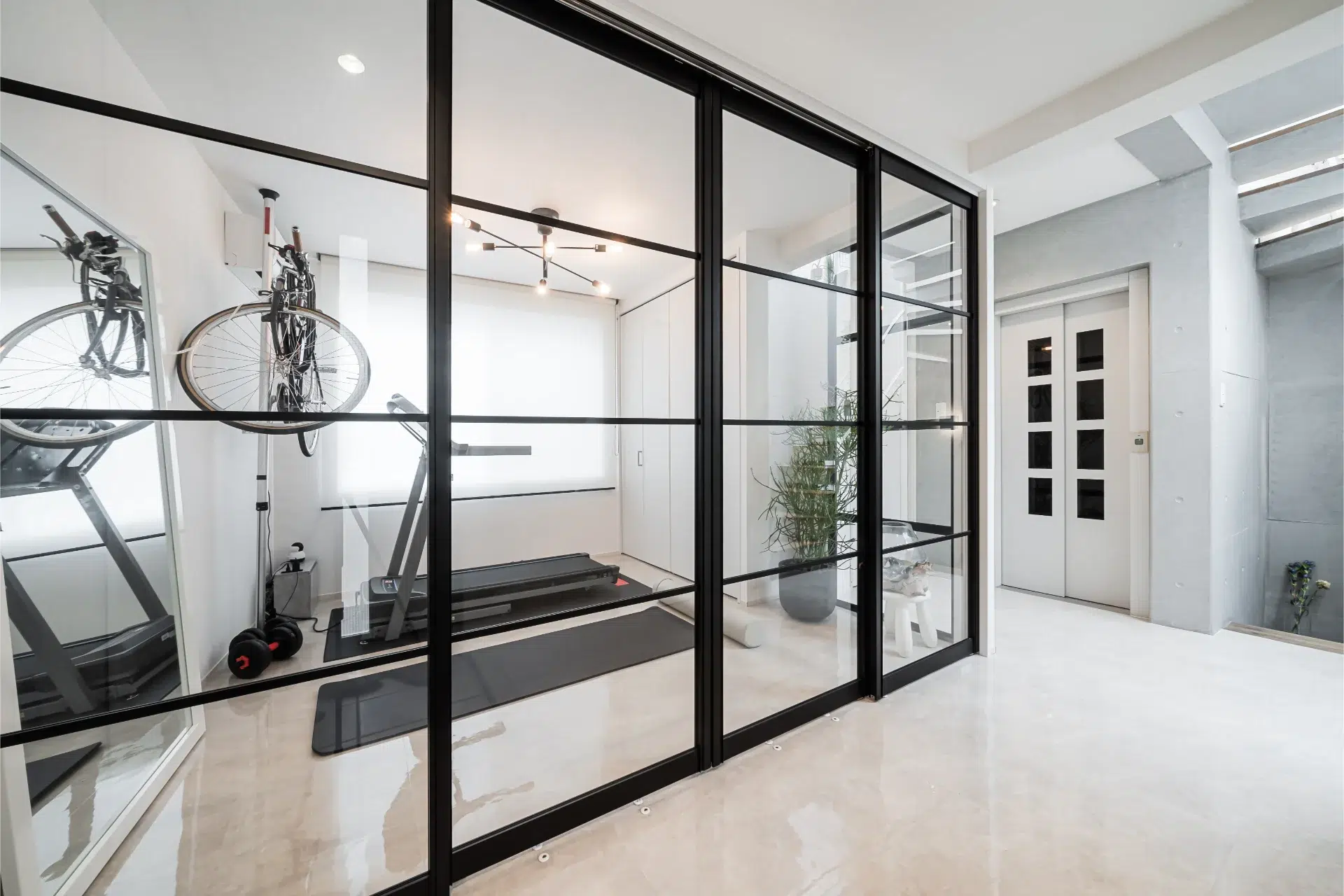
Featured Architectural Aluminum Systems
Tested for European CE standards, thermal performance, acoustic attenuation, and weatherproofing across commercial and luxury residential applications.
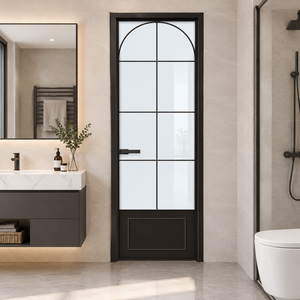 CE Certified
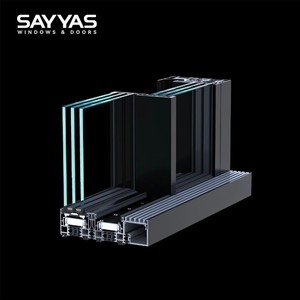 Thermal Break
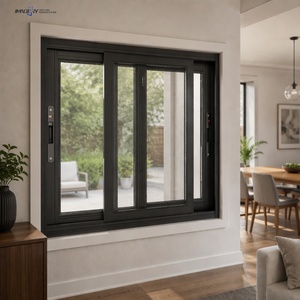 Net Screen
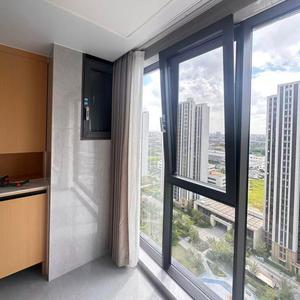 Tilt & Turn
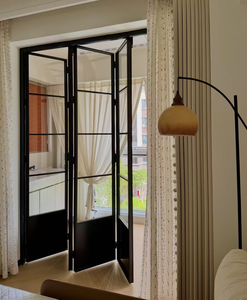 Bi-Fold Net
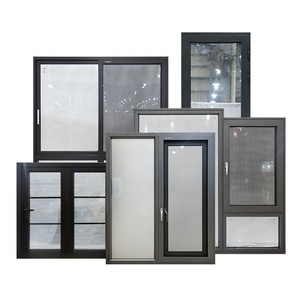 Architectural
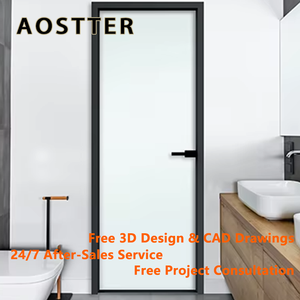 Slim Profile
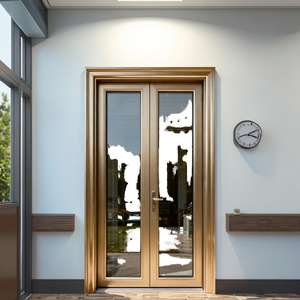 Commercial
Precision-Engineered Factory Direct Value
Combining automated CNC precision fabrication with rigorous quality testing standards to supply tier-1 contractors, architects, and global distributors.
Direct Factory Engineering
Bypass intermediary trading companies. Work directly with senior structural engineers who evaluate your architectural drawings, load-bearing requirements, and wind-pressure parameters to deliver tailored aluminum mesh door systems.
High-Tensile Security Mesh
Engineered with marine-grade 304/316 stainless steel woven mesh (0.7mm to 0.9mm wire diameter). Provides impenetrable physical security against forced entry while permitting 85%+ natural airflow and unobstructed optical clarity.
Full Regulatory Traceability
Every shipment is delivered with comprehensive CE EN 14351-1 compliance dossiers, raw material alloy mill test certificates (6063-T6 temper), and standardized thermal transmission test reports (U-factor and SHGC analysis).
CE Certified Aluminum Net Door Manufacturing & Global Procurement Guide
An in-depth analysis of alloy metallurgy, thermal performance engineering, mesh structural integrity, and international compliance frameworks for project specifiers and procurement officers.
The global architectural fenestration market is undergoing a structural transition towards integrated multi-functional envelope solutions. Modern residential, commercial, and institutional developments no longer treat security mesh screens, thermal barriers, and entry systems as isolated components. Instead, high-performance building enclosures demand CE Certified Aluminum Net Doors—systems that seamlessly merge high-tensile security screens, thermal break profile engineering, anti-corrosion surface treatments, and acoustic sealing into a unified architectural profile.
Information Gain Insight: Standard fly screen doors utilize flexible fiberglass or aluminum wire netting susceptible to mechanical tearing and knife shears. In contrast, B2B procurement specifications for CE-compliant security net doors mandate rigid, woven 304 or 316 structural stainless steel mesh embedded within deep-inset extruded aluminum retainers, capable of resisting impacts exceeding 1000 Joules of localized force.
1. Structural Metallurgy & Extrusion Standards
At the core of every premium aluminum net door lies the architectural alloy specification. High-grade factories standardly employ 6063-T6 aluminum alloy profiles. The T6 heat treatment temper artificial aging process elevates yield tensile strength to a minimum of 210 MPa (30,500 psi) and ultimate tensile strength to 245 MPa (35,500 psi).
Compared to lower-tier 6063-T5 or recycled scrap aluminum blends, primary-billet 6063-T6 provides the rigidity required to prevent profile deflection under continuous heavy-duty cycling and extreme wind load pressures (reaching Class C5/P3 performance under EN 12210 testing protocols).
| Performance Parameter | Standard Fly Screen Net Door | Architectural Security Net Door (CE Grade) | Engineering Testing Standard |
|---|---|---|---|
| Profile Material | Recycled Al-Alloy (T5 Temper) | Primary Billet 6063-T6 Aluminum | GB/T 5237 / ASTM B221 |
| Mesh Specifications | Fiberglass / 0.2mm Soft Wire | 0.8mm-0.9mm Woven 304/316 SS Mesh | ISO 9044 / ASTM E2016 |
| Impact Resistance | < 50 Joules (Tears Easily) | > 1000 Joules (Knife & Impact Proof) | EN 1627 / AS 5039 Security Test |
| Thermal Insulation | Non-Thermal Profile (U > 5.8 W/m²K) | PA66-GF25 Thermal Break (U < 1.8 W/m²K) | EN ISO 10077-2 / NFRC 100 |
| Salt Spray Durability | 240 Hours (Bubbling / Pit Rust) | > 2000 Hours PVDF / Anodized Finish | ASTM B117 / ISO 9227 |
2. Thermal Break Engineering & Multi-Cavity Profiles
For modern projects located in harsh climatic zones—ranging from frozen northern European regions to scorching coastal environments in the Middle East and Australia—thermal bridging across metal door frames presents a severe energy conservation challenge. CE certified aluminum net door manufacturers integrate PA66-GF25 (Polyamide 66 reinforced with 25% glass fiber) thermal barriers.
By splitting the aluminum profile into exterior and interior structural extrusions connected via polyamide thermal strips, heat transfer coefficients (U-factors) are drastically reduced from 5.8 W/m²K down to 1.6 - 2.2 W/m²K when combined with low-emissivity double or triple insulated glass units (IGU). Furthermore, multi-cavity profile geometries provide internal channels for concealed drainage, sound attenuation chambers, and reinforced multi-point locking mechanism hardware alignment.
3. The Mechanics of High-Tensile Stainless Steel Security Mesh
The defining feature of a professional aluminum net door is its mesh screen matrix. Leading Chinese manufacturers and global exporters employ precise weaving machinery to produce 0.7mm, 0.8mm, or 0.9mm wire diameter structural mesh with uniform grid spacing (typically 11 mesh or 14 mesh counts per inch).
Key Characteristics of Marine-Grade 316 Mesh:
- Anti-Corrosion High Molybdenum content (2-3%) in 316 SS prevents pitting corrosion caused by marine salt-air atmospheres.
- Mechanical Retention The mesh is fixed into the aluminum profile perimeter using pressure-clamped wedge lock systems or heavy-duty mechanical riveting, ensuring the net cannot be kicked out of the frame.
- Solar Heat Reduction Dark powder-coated black mesh absorbs incoming solar radiation, acting as an integrated external solar shade that reduces air conditioning cooling loads without darkening interior spaces.
4. Future Procurement Trends in B2B Aluminum Door Systems
Procurement teams, real estate developers, and architectural specifiers must anticipate evolving industry trends when sourcing fenestration products for multi-year project pipelines. Key structural shifts include:
Trend A: Smart Access & Biometric Hardware Integration
Traditional mechanical key locks are rapidly being replaced by multi-point motorized electronic locks. Modern CE certified net doors feature factory-milled lock pockets capable of accepting smart biometric fingerprint sensors, RFID keycards, facial recognition modules, and smart home automation integration (Zigbee/Matter protocols) while maintaining multi-point bolt engagement for maximum anti-burglary protection.
Trend B: Ultra-Slim Sightlines & Flush Thresholds
Architectural design demands maximal visual transparency. Future-ready net door designs utilize ultra-narrow stile profiles (as thin as 18mm visible sightline) and barrier-free flush bottom tracks. Flush threshold designs feature subterranean drainage channels that meet ADA accessibility standards while completely preventing water ingress during severe storm events.
Trend C: Sustainable Low-Carbon Aluminum & EPD Transparency
Driven by European Union Carbon Border Adjustment Mechanisms (CBAM) and global ESG corporate compliance, international buyers prioritize manufacturers that supply Environmental Product Declarations (EPD). Utilizing hydroelectric-smelted primary aluminum billets along with VOC-free powder coatings allows factories to deliver certified low-carbon doors that contribute directly to LEED and BREEAM building accreditations.
5. Product Development Trends: Next-Gen Fenestration
As technological capabilities advance, the design of aluminum net doors is expanding into highly specialized performance categories:
- Motorized Concealed Retractable Net Systems: Integrating heavy-duty stainless mesh screens with hidden vertical or horizontal track motors, allowing whole glass walls to transform into open screen enclosures at the press of a button.
- Acoustic-Dampening Laminated Security Screen Doors: Combining double-glazed acoustic laminated glass on the interior leaf with an isolated outer heavy-mesh net leaf, achieving Sound Transmission Class (STC) ratings exceeding 42 dB for noisy urban environments.
- Anti-Bacterial & Electrostatic Dust-Repellent Coatings: Applying specialized nano-fluorocarbon surface coatings to the stainless net, preventing dust accumulation, insect debris, and atmospheric pollutants from adhering to the screen weave, thus preserving optical clarity with minimal maintenance.
6. Comprehensive B2B Procurement FAQ (Frequently Asked Questions)
How do I verify the authenticity of a factory's CE EN 14351-1 Certification?
What is the difference between 304 and 316 stainless steel mesh in coastal door installations?
How does purchasing factory-direct save up to 50% compared to local distributors?
What quality control protocols occur during the 26-step manufacturing process?
Can the aluminum net doors be customized for large-span architectural openings?
What is the standard lead time for OEM/ODM export container orders?
7. Strategic Procurement Advantage with Vela Industrial
Choosing the right fenestration manufacturing partner directly impacts your project timeline, overall construction budget, and long-term structural liability. As a dedicated OEM/ODM manufacturer with decades of export excellence, Vela Modern Windows & Doors Industrial Ltd. delivers complete end-to-end support:
- Bespoke CAD & BIM Engineering: Free shop drawing generation, 3D section details, and structural load calculations for architectural submittals.
- Certified Global Performance: Fully certified under CE EN 14351-1, NFRC thermal ratings, and AAMA structural standards.
- Export Packaging Standards: Heavy-duty fully enclosed wooden crate packaging with corner protectors, waterproof shrink wrapping, and desiccant packs ensuring damage-free sea freight transit.
Accelerate Your Fenestration Sourcing Strategy
Request an immediate factory-direct wholesale quotation, custom CAD drawing evaluation, or complete technical product catalog for your upcoming commercial or high-end residential project.
Get Catalog