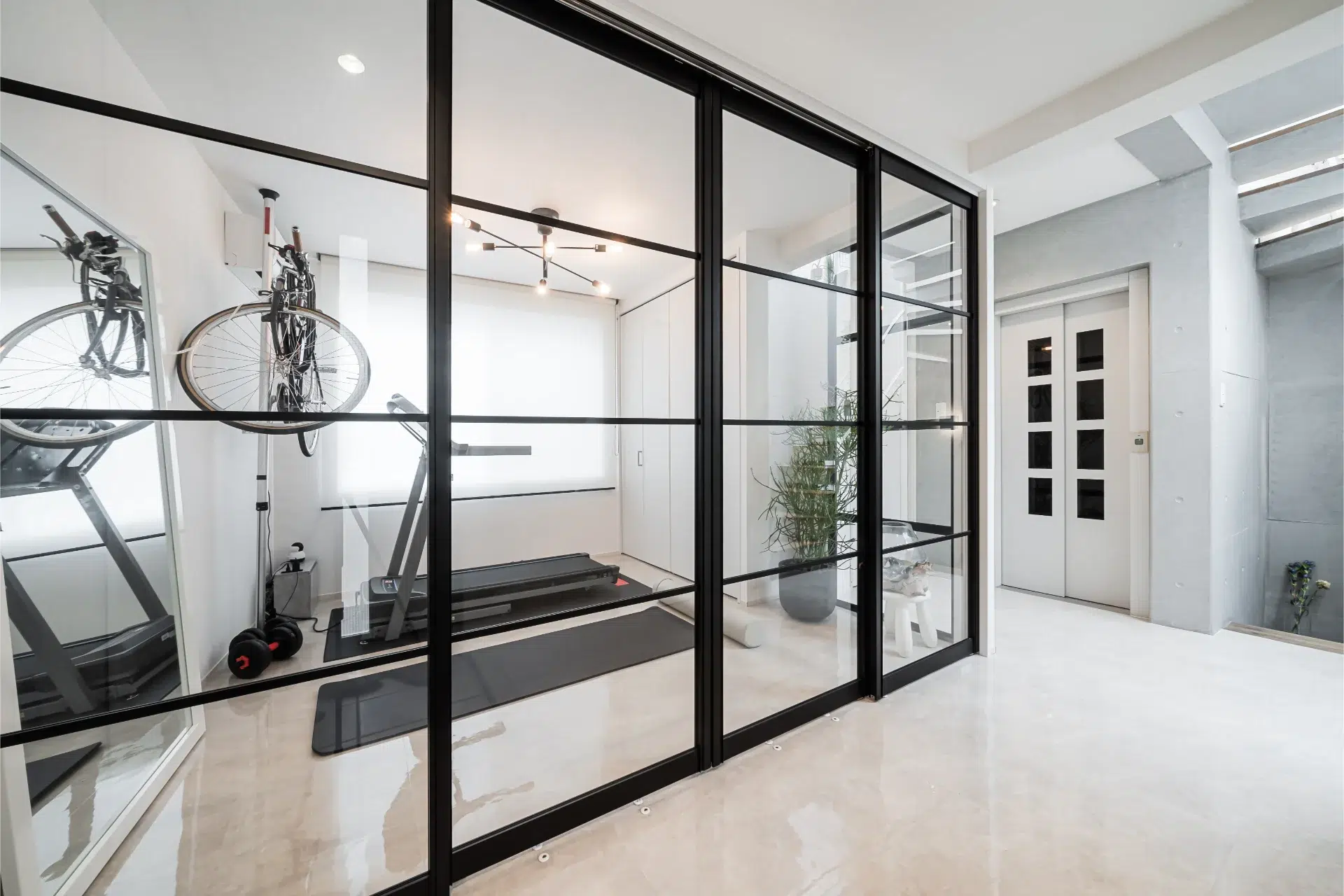
Curated Architectural Systems Portfolio
Direct-from-factory solutions engineered for high-end residential complexes, luxury villas, and commercial exterior facades.
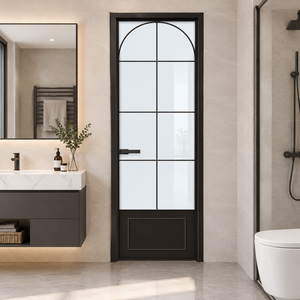
Hihaus Aluminum Casement Door Interior Bathroom Waterproof Glass Door
View System Specifications →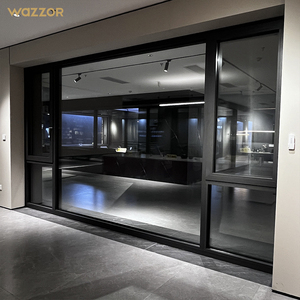
Wazzor Hot Selling Apartment Soundproof Passive House Aluminium Doors and Windows
View System Specifications →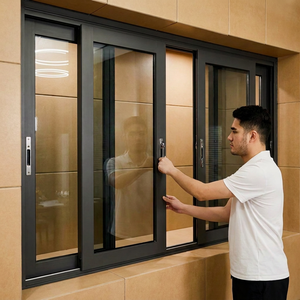
Aluminium Balcony Sliding Windows Aluminum Sliding windows Price Philippines Aluminium Doors and windows Designs
View System Specifications →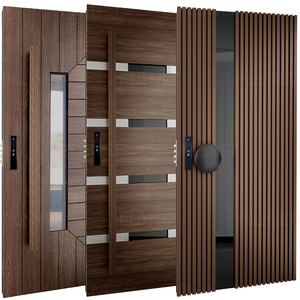
Luxury Modern Anti Theft Exterior Security Pivot Door Aluminum Steel Entrance Front Doors for Houses
View System Specifications →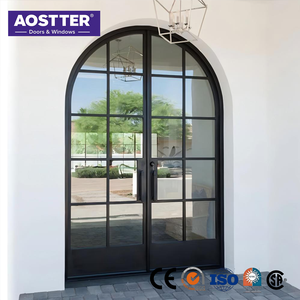
AOSTTER NFRC AS2047 Arched Aluminum French Doors Victorian Style Swing Glass Entrance Doors
View System Specifications →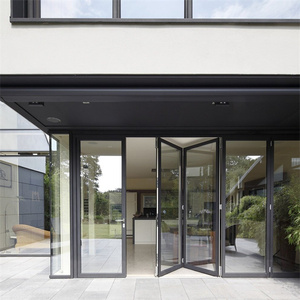
TOMA-as2047 Aluminium Door Fold Glass Door Bifold Sliding Door Darkly Glass Thermal Break
View System Specifications →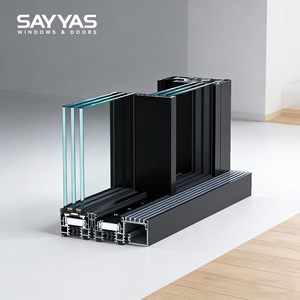
Heavy Duty Aluminum Double Glazing Tempered Glass Sliding Door Sound Insulation Large Lift Design Panoramic View
View System Specifications →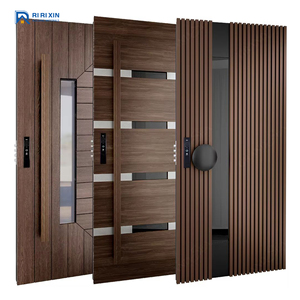
Custom Wooden Grain Front Entry Main Security Aluminum Decorous Exterior Door for America House
View System Specifications →Engineering Aluminium Grille Windows: An Architectural Sourcing Whitepaper
In-depth technical breakdown of structural extrusions, security grilles, thermal performance, and manufacturing standards for global project buyers.
As modern architectural trends lean heavily toward expansive glazed openings, slim sightlines, and seamless indoor-outdoor transitions, the engineering burden placed on window framing systems has increased exponentially. Among global building envelope options, China’s top aluminium grille window factories have established a dominant position by pairing high-precision extrusions with integrated anti-burglary security screens and advanced thermal break technologies.
This technical whitepaper examines the precise engineering standards, material metallurgy, and manufacturing processes required to specify, source, and import high-performance aluminium grille windows and door systems directly from premier Chinese manufacturers.
SEO & Architectural Information Gain: Unlike standard security bars, modern high-end aluminium grille windows utilize integrated stainless steel diamond mesh (SS304/SS316) or extruded aluminium grille bars encapsulated within multi-chamber thermally broken frames. This delivers dual functionality: physical forced-entry defense alongside structural wind load resistance up to 5000 Pa.
1. Metallurgy and Frame Construction (AA6063-T5 vs AA6063-T6)
The structural integrity of an aluminium grille window depends primarily on profile metallurgy. Leading Chinese exporters utilize primary aluminum ingots extruded into 6063-T5 or 6063-T6 architectural alloys. The T6 heat treatment temper provides enhanced tensile strength (up to 205 MPa) and yield strength (up to 170 MPa), making it ideal for large-span sliding systems, hurricane-resistant casements, and heavy-duty security pivot doors.
Wall thickness compliance is equally critical. For high-rise residential installations or commercial facades, profiles must meet or exceed 1.4mm to 2.0mm structural wall thickness in accordance with international building standards (such as Australian AS2047 and American AAMA 101/I.S.2/A440).
2. Integrated Security Grille Systems: Diamond Mesh vs. Internal Louvers
Security window integration in modern factories generally falls into two core structural archetypes:
- High-Tensile Stainless Steel Security Mesh (Kingkong Mesh): Constructed using woven 0.8mm to 1.0mm 304 or 316 marine-grade stainless steel wire. Secured inside the sash via patented wedge-clamping systems, these grilles withstand knife shears, high impact forces, and salt-spray corrosion while maintaining 85% optical clarity.
- Extruded Aluminium Architectural Grille Bars: Solid extruded aluminum bars integrated directly into the window frame cavity or positioned between double-glazed units. These provide strong physical visual deterrence while permitting custom aesthetic geometries (Victorian, Georgian, or Minimalist horizontal slatted patterns).
3. Thermal Barrier Technology & Energy Efficiency Metrics
To meet stringent international energy efficiency codes (such as IECC in North America and NCC in Australia), high-end factories utilize dual-component polyamide thermal breaks. Technoform PA66GF25 (25% glass fiber reinforced polyamide) thermal barrier strips are crimped into separate inner and outer aluminum profile chambers. This breaks the conductive heat transfer path, yielding U-factors as low as 1.2 to 1.6 W/m²K when combined with Low-E insulated glass units (IGUs) filled with 90%+ Argon gas.
Enterprise Advantages: Vela’s 26-Step Manufacturing Matrix
Why direct-factory engineering partnership yields superior project control, structural accuracy, and up to 50% cost optimization.
Direct Manufacturer Accountability
By eliminating middleman distributor layers, project developers and architects work directly with structural engineers. Technical drawings, CAD/BIM revisions, and customized hardware configurations are processed directly at the factory floor.
26 Precision Steps & 4-Stage QC
Every window unit undergoes a rigid 26-step production workflow—from CNC extrusion milling and thermal strip insertion to dual-component corner crimping, EPDM gasket sealing, and 4 intensive quality control checkpoints before export packaging.
Certified International Compliance
Products are tested and certified under recognized global standards including NFRC thermal performance ratings, AAMA structural wind and water penetration resistance, and Australian AS2047 compliance certificates.
Future Development Trends in Aluminium Grille Window Sourcing
Key innovation drivers shaping global architectural procurement over the next decade.
1. Ultra-Narrow Sightline Interlocks
Architectural demand is moving rapidly toward minimal frame visibility. Innovations in structural silicone bonding (SSG) and reinforced internal steel stiffeners allow interlock profiles on sliding grille windows to drop as narrow as 20mm to 25mm, maximizing daylight glass surface area while maintaining high structural load performance.
2. Smart Automated Security Integration
Modern aluminium security grille windows are incorporating concealed motorized actuators, magnetic sensors, and automated multi-point lock systems. Windows can interface with smart home automation platforms, adjusting ventilation profiles automatically while maintaining burglar-proof locking states.
3. Sustainable Low-Carbon Aluminum Extrusions
With global ESG requirements expanding, premier Chinese exporters are transitioning toward recycled billet aluminium processed via hydro-electric powered smelters. Carbon footprint tracking per square meter of window frame is becoming a critical evaluation metric for Tier-1 commercial developers.
Technical Specification & Frame Material Comparison
Comprehensive engineering matrix evaluating aluminum against alternative window framing materials for commercial and luxury residential projects.
| Performance Standard | Thermally Broken Aluminium Grille | uPVC (Vinyl) Security Window | Traditional Steel Grille Window | Solid Timber Security Window |
|---|---|---|---|---|
| Structural Wind Load (Pa) | 4500 - 6000 Pa | 2000 - 3000 Pa | 3500 - 5000 Pa | 2500 - 3500 Pa |
| Frame Sightline Width | Ultra-Slim (20mm - 45mm) | Wide (65mm - 95mm) | Moderate (45mm - 70mm) | Wide (70mm - 110mm) |
| Anti-Burglary Rating | Class 3 / Stainless Mesh | Class 1 / Basic Bars | Class 4 / Heavy Steel | Class 2 / Reinforced |
| Thermal Insulation (U-Value) | 1.2 - 1.8 W/m²K | 1.3 - 1.9 W/m²K | 3.5 - 5.2 W/m²K (Poor) | 1.4 - 2.0 W/m²K |
| Coastal Salt Spray Resistance | PVDF / 3000 hr Pass | Moderate (UV degrades) | Low (Rust risk) | Low (Moisture rot risk) |
| Expected Service Life | 40+ Years | 15 - 20 Years | 20 - 25 Years | 20 - 30 Years |
Procurement & Sourcing FAQ for International Buyers
Answers to crucial technical, shipping, and quality assurance questions when importing aluminium grille windows from China.
Why source aluminium grille windows directly from Chinese manufacturing hubs?
How do Chinese factories ensure compliance with North American and Australian building codes?
What is the standard lead time for custom aluminum window extrusions and orders?
What packaging methods are used to prevent shipping damage over long sea freight routes?
Can I request custom powder coating colors or wood-grain surface finishes?
What hardware and multi-point locking systems are integrated into security grille windows?
Transform Your Project With Direct-Factory Engineering
Submit your architectural drawings or window schedule today. Our engineering team will deliver a comprehensive technical analysis, thermal calculations, and direct-factory price quotation within 24 hours.
Contact Us