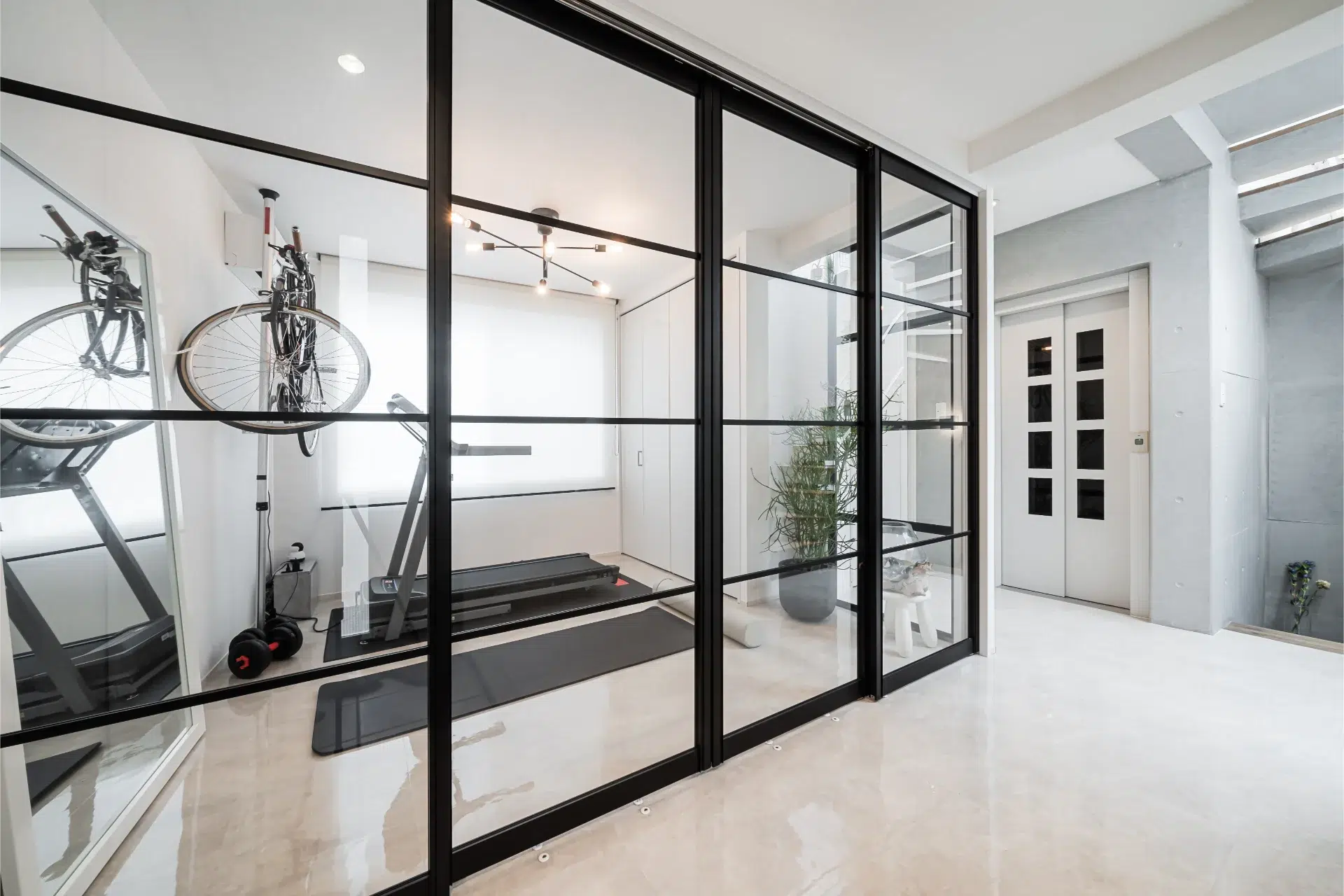
High-Performance Architectural Kitchen Door Systems
Engineered for commercial developers, wholesalers, and architectural distributors seeking certified durability, precision acoustic damping, and modern aesthetic elegance.
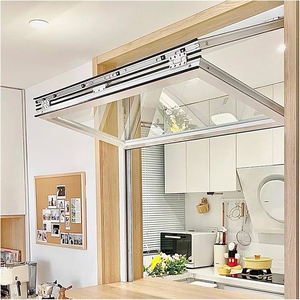
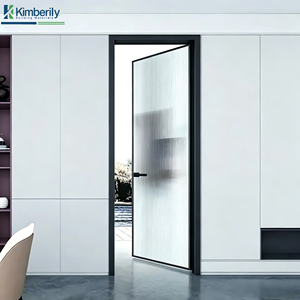
Vertical Kitchen Hidden Folding Glass Door Window Large Aluminum Alloy Floor Folding Door & Bar Partition Window
Space-maximizing vertical folding system featuring heavy-duty top-hung tracks, concealed hydraulic hinges, and dual-E rubber weather seals for seamless bar-kitchen integration.
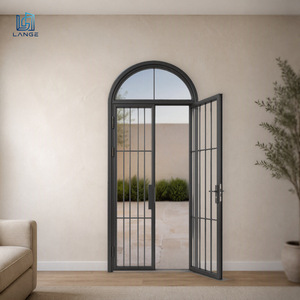
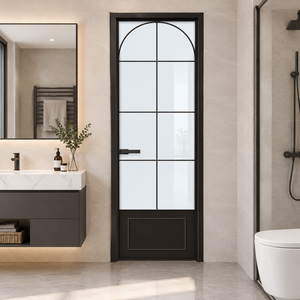
LANGE Modern Glass Arch Aluminum Doors Hurricane Proof Doule Glaze Swing Aluminum Arch Top French Door
Classic arched structural geometry combined with modern structural glass unit (SGU) technology, hurricane-impact rating, and high-performance powder coat finish.
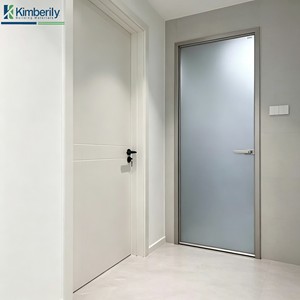
Stylish Aluminum Casement Door Indoor Aluminum Alloy Glass Swing Doors for Kitchens Bathrooms and Toilets
Moisture-proof interior casement door engineered with corrosion-resistant extruded frames, magnetic silent latch mechanisms, and customizable frosted or clear safety glass.
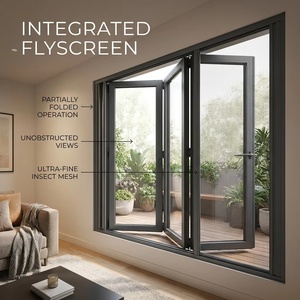
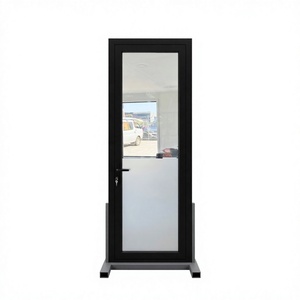
Modern Black Aluminum Tempered Glass Casement Door with Stainless Steel Screen Finished Surface for Kitchen & Hotel Use
Commercial-grade anodized matte black casement unit equipped with integrated 304 stainless steel insect screen meshes, perfect for high-traffic hotel and residential kitchens.
1. Enterprise Authority: The Engineering Benchmark of Chinese Aluminum Kitchen Door Manufacturing
In modern architectural design, the kitchen transition zone has evolved from a purely functional partition into a central focal point of spatial aesthetics, environmental control, and acoustic isolation. As global developers, architects, and hardware wholesalers source premium Fenestration systems, China has solidified its status as the world’s preeminent manufacturing hub for high-specification aluminium kitchen doors. Among industry leaders, Vela Modern Windows & Doors Industrial Ltd. stands out by delivering factory-direct, custom-engineered aluminum door systems that surpass rigorous international performance criteria.
Unlike standard intermediaries and third-party trading companies that add substantial price markups while obscuring technical accountability, our direct manufacturing framework bridges the gap between architectural drawing boards and precision extrusion lines. By managing every stage of production in-house, we eliminate traditional distributor layers—enabling trade partners to reduce procurement overhead by up to 50% without compromising structural integrity or material quality.
E-E-A-T Manufacturing Note: Architectural aluminum kitchen door profiles require specialized metallurgical heat treatment (T5/T6 tempering) and tight dimensional tolerances (+/- 0.5mm) to guarantee that ultra-slim frames sustain heavy thermal-shock double glazing without frame deflection over decades of intensive use.
The 26-Step Precision Manufacturing Process & 4-Tier Inspection System
To deliver flawless execution across large-scale commercial orders, residential developments, and custom renovation projects, our production floor adheres to a strict 26-step manufacturing workflow. This systematic methodology ensures absolute uniformity in frame geometry, hardware mortising, and surface finishing:
Phase 01
Material Audit
Spectrographic analysis of primary 6063 aluminum billets and raw insulated glass units upon factory delivery.
Phase 02
CNC Machining
5-axis computerized profile cutting, milling, and hardware pocket routing with sub-millimeter precision.
Phase 03
Thermal Assembly
Precision insertion of high-density PA66 nylon thermal break strips and corner crimping with structural sealant.
Phase 04
Glazing & Sealing
Automated dual-component silicone glazing integration and continuous EPDM perimeter weather-stripping.
Phase 05
Pre-Ship Testing
Rigorous 100% operation checks, air/water tightness testing, and heavy-duty protective film wrapping.
Every single batch undergoes four mandatory quality inspection checkpoints: Incoming Material Testing, Post-Extrusion Machining Verification, Assembly & Sash Alignment Inspection, and Pre-Packaging Final Audit. This relentless focus on quality ensures compliance with North American AAMA and NFRC performance parameters, guaranteeing exceptional structural load capacity, air infiltration resistance, and thermal insulation.
Ultra-Narrow Sightlines
Slim profile frames (from 16mm visible face) maximize natural light penetration while maintaining structural rigidity through high-tensile 6063-T6 aluminum alloys.
Oil-Smoke & Acoustic Damping
Engineered with dual-layer continuous EPDM gasket systems and magnetic perimeter seals to completely block heavy kitchen oil fumes and attenuate cooking noise by up to 38 dB.
100,000+ Cycle Durability
Equipped with commercial-grade top hanger roller systems and stainless steel pivot hinges tested to handle heavy tempered glass loads through over 100,000 continuous opening cycles.
2. Technological Advancement & Next-Generation Trends in Aluminium Kitchen Door Engineering
The global demand for high-end aluminium kitchen doors is undergoing a rapid paradigm shift driven by changing interior architecture trends, urban urbanization patterns, and smart building mandates. B2B buyers and wholesalers must adapt their inventory strategies to align with these key technological shifts:
A. Micro-Living & Open-Plan Kitchen Hybrid Transformations
Modern residential floor plans increasingly favor flexible layout concepts. Homeowners desire the visual spaciousness of an open kitchen combined with the ability to completely isolate cooking smells, grease particles, and operational noise during heavy meal preparation. This demand has spurred the adoption of Vertical Folding Glass Partition Windows and Pocket-Stacking Bifold Systems. These systems allow entire walls to disappear into recessed wall cavities or fold upward against kitchen bars, seamlessly creating multifunctional entertainment zones.
B. Thermal Barrier Integration & Environmental Standards
Historically, interior kitchen doors utilized non-thermal aluminum profiles. However, modern commercial projects and green-certified energy-efficient residences now specify Polyamide Thermal Break (PA66GF25) Profiles paired with Low-E double glazing even for interior partitions separating air-conditioned living spaces from high-heat cooking environments. This insulation reduces interior HVAC load transfer and prevents condensation build-up on glass surfaces.
C. Advanced Glass & Surface Finishing Technologies
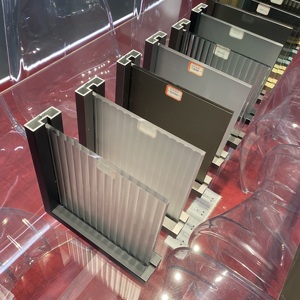
Aesthetic preferences have shifted away from plain float glass toward tactile, light-diffusing glass types such as Fluted (Moroccan Reeded) Glass, Low-Iron Ultra-Clear Glass, and Smart Tinting Electrochromic Glass. Concurrently, surface treatment technologies have transitioned from standard liquid paint to AkzoNobel Fluorocarbon PVDF Powder Coatings and PVD Anodized Finishes. These advanced finishes provide superior resistance to acidic grease, high humidity, and aggressive chemical cleaning agents commonly found in commercial and residential kitchens.
Performance Criteria
Standard Vinyl (uPVC) Doors
Timber / Wood Frame Doors
Vela Architectural Aluminum Systems
Structural Frame Sightline
Bulky (60mm - 85mm)
Moderate (50mm - 75mm)
Ultra-Slim (16mm - 28mm)
Moisture & Grease Resistance
Susceptible to discoloration
Warps, swells, and rots
100% Corrosion & Water Proof
Acoustic Isolation Rating
STC 22 - 26 dB
STC 28 - 32 dB
STC 35 - 42 dB (Double Glazed)
Max Single Panel Capacity
Limited (< 40 kg)
Heavy / Limited (< 70 kg)
Heavy-Duty (Up to 180 kg/panel)
Maintenance Lifecycle
Medium (Requires replacement)
High (Frequent re-sealing)
Minimal (30+ Year Structural Life)
3. Global B2B Procurement Trends & Risk Mitigation for Importers and Wholesalers
Sourcing aluminium kitchen doors from Chinese manufacturers offers exceptional profit margins, but global B2B buyers must navigate technical evaluation, custom die extrusion management, and international shipping logistics. Below is a strategic procurement roadmap engineered for overseas distributors, project developers, and building material wholesalers:
Ensure that your supplier uses primary 6063-T5 or T6 grade aluminum alloys rather than scrap-recycled aluminum. Primary billets provide optimal mechanical strength (yield strength ≥ 170 MPa), smooth surface finish anodizing, and long-term frame stability without microscopic structural cracking.
2. Hardware System Compatibility & OEM Customization
The operational lifespan of a sliding or folding kitchen door depends heavily on its moving hardware. Ensure your manufacturing partner integrates precision-engineered hardware components, such as stainless steel roller carriages, concealed flush locks, and soft-close hydraulic dampers (such as German Hoppe, Siegenia, or premium custom OEM assemblies). Wholesalers should verify that frame profiles accept standard European notch dimensions for easy local hardware servicing.
Damage during transoceanic shipping can jeopardize project timelines. High-quality manufacturers use a protective packaging stack consisting of: Surface Protective Film, EPE Foam Wrapping, Heavy-Duty Corner Guards, and Fully Enclosed Fumigated Plywood Crate Enclosures. This multi-layer system ensures zero scratch or glass breakage incidents upon delivery to job sites or wholesale distribution hubs.
Procurement Knowledge Base
Frequently Asked Questions (FAQ) for B2B & Wholesale Buyers
Are you a direct aluminum door manufacturer or a trading company?
Vela Modern Windows & Doors Industrial Ltd. is a direct manufacturer with complete in-house extrusion processing, CNC fabrication, surface treatment, and double-glazing assembly facilities. By eliminating middleman trading markups, our clients save up to 50% while receiving direct engineering consultation and complete production transparency.
What is your typical Minimum Order Quantity (MOQ) for wholesale and project orders?
For standard profile colors (Matte Black, Anodized Silver, Architectural Bronze), our flexible MOQ starts at 10 sets for customized residential projects. For large-scale commercial wholesale orders or custom extrusion profiles, volume-based tiered discounts apply. Contact our sales engineering team for a customized quote.
How do aluminum kitchen doors effectively seal against heavy cooking oil fumes and smells?
Our kitchen door systems feature engineered double-E silicone rubber weather-stripping along all frame perimeters combined with magnetic soft-close latching mechanisms. Top-hung sliding doors feature bottom brush-and-gasket auto-drop seal systems that seal flush against the floor upon closure, preventing oil fumes, humidity, and cooking noise from leaking into surrounding living quarters.
What international quality certifications do your door products comply with?
Our systems are engineered to satisfy North American AAMA and NFRC performance benchmarks, European CE standards (EN 14351-1), SGCC (Safety Glazing Certification Council) requirements for tempered glass, and ISO 9001 quality management guidelines. Project-specific certified test reports can be made available upon request.
Can you manufacture custom door frame dimensions and custom architectural shapes?
Yes. Every door order is custom-fabricated according to structural architectural drawings or opening schedules provided by the client. We specialize in oversized sliding panels (up to 3.5 meters in height), arched French swing doors, vertical folding bar partitions, and corner bi-folding doors with zero vertical posts.
What options are available for kitchen door glass customized privacy?
We supply a diverse array of architectural glass configurations, including double-glazed toughened safety glass, fluted/reeded (Moroccan) decorative glass, frosted acid-etched glass, tinted charcoal glass, low-iron ultra-clear glass, and smart switchable PDLC privacy glass units.
What surface coating options do you supply for humid and coastal climates?
For high humidity, coastal regions, or intense kitchen grease environments, we apply AkzoNobel PVDF fluorocarbon coatings, high-micron anodized finishes, or advanced powder coatings tested against 3,000 hours of continuous salt spray exposure without surface pitting, blistering, or corrosion.
What is the standard production lead time for FCL container orders?
Standard lead times for custom fabrication range from 20 to 30 working days following shop drawing approval and deposit receipt. Expedited manufacturing timelines are available for time-sensitive commercial development projects.
Partner with China's Leading Aluminium Door Manufacturer
Whether you are specifying custom doors for a luxury high-rise development, sourcing wholesale inventories for building supply stores, or seeking a reliable OEM partner, our engineering team is ready to bring your vision to life.