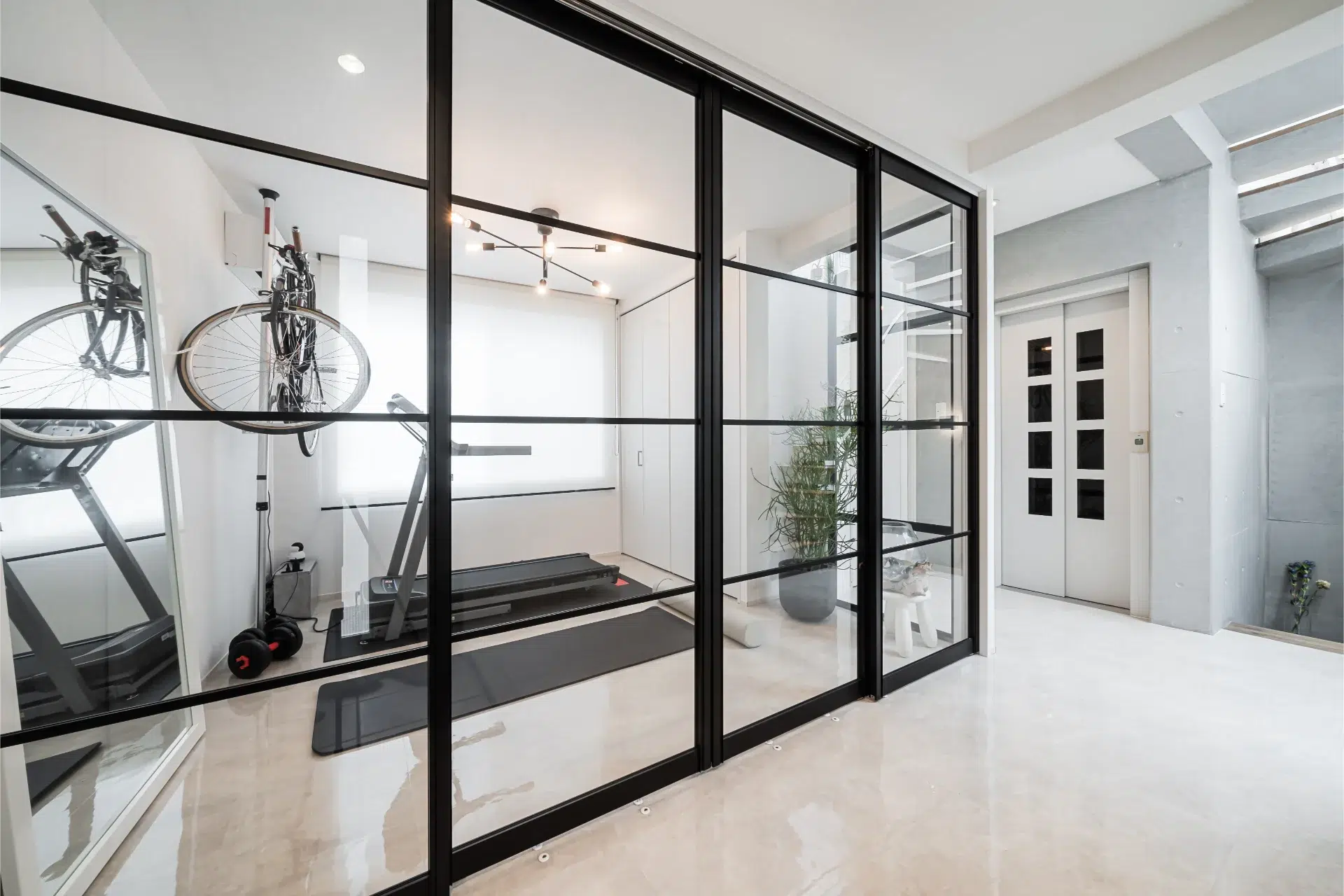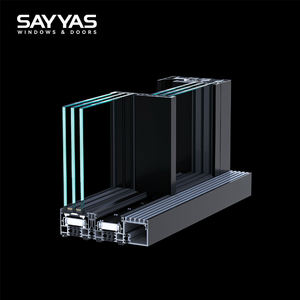
Sayyas JE140 Large Double Glazing Thermal Break Aluminum Sliding Door
Heavy-duty residential & apartment sliding system with reinforced multi-cavity thermal break extrusions.
Engineered to meet North American NFRC/AAMA, European CE, and Australian AS2047 fenestration standards.
Heavy-duty residential & apartment sliding system with reinforced multi-cavity thermal break extrusions.
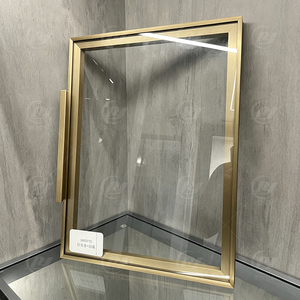
Ultra-narrow profile series for luxury interior partitions, wardrobe glass cabinets, and contemporary space separation.
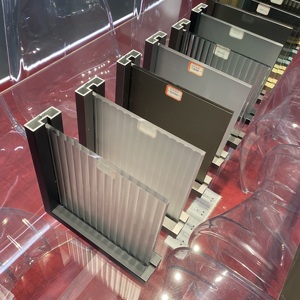
Top-hung sliding mechanism with zero bottom track threshold options and superior STC sound acoustic insulation.
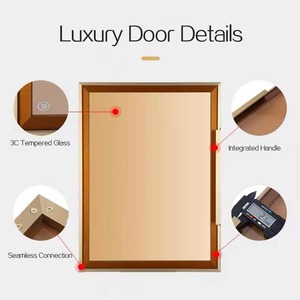
Anodized minimalist aluminum frame incorporating obscured toughened glass for residential cabinet and interior application.
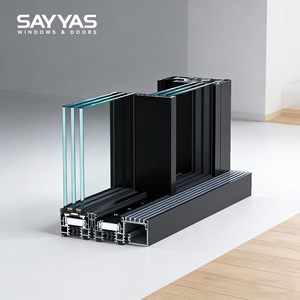
Designed for extra-large structural openings, hotel suites, and high-end seaside villas with wind-load lift technology.
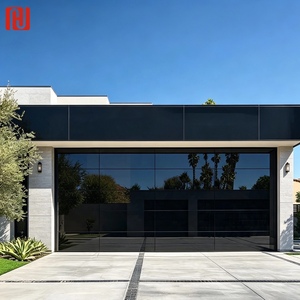
Architectural sectional glass door engineered with high-strength T6 aluminum frame and safety tempered panels.
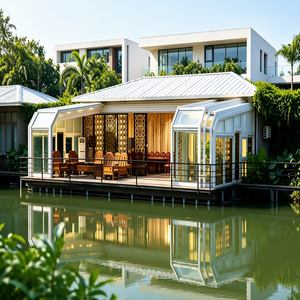
Modular track system for dynamic outdoor spaces, swimming pool enclosures, and sunroom glass walls.
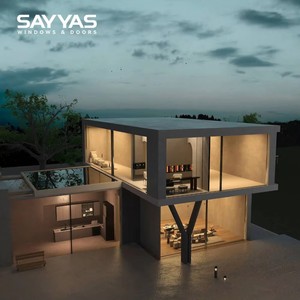
Commercial and residential fenestration systems manufactured with customizable anodized/PVDF profile finishes.
Global real estate developers, commercial contractors, and architectural hardware wholesalers face mounting pressures to deliver high-performance building envelopes while controlling Total Cost of Ownership (TCO). In the modern architectural landscape, **aluminum and glass door systems** are no longer treated as static building materials; they are precision-engineered dynamic subsystems crucial to structural integrity, facade aesthetics, acoustic control, and thermal envelope efficiency.
China has solidified its position as the world's premier manufacturing epicenter for architectural aluminum extrusions and structural glass assemblies. Anchored in industrial manufacturing clusters across Guangdong (Foshan), Shandong, and Zhejiang provinces, top-tier Chinese door factories leverage vertically integrated supply chains—from primary aluminum billet casting and precision matrix extrusion to automated Polyamide 66 thermal break insertion, robotic double-glazing sealing, and electrostatic PVDF surface finishing.
By controlling primary 6063-T5/T6 alloy formulation, precision matrix extrusion dies, and surface anodizing/fluorocarbon powder coating in-house, top manufacturers ensure micro-level dimension control (≤0.5mm tolerance) and superior resistance against salt-spray coastal corrosion.
Utilizing Technoform Polyamide PA66 GF25 thermal break strips integrated into multi-chamber profiles, advanced systems achieve overall U-factors as low as 0.8 to 1.2 W/m²·K, easily satisfying stringent international green building codes like LEED and Passive House standards.
Bypassing multi-tier international brokers and local distribution markups allows project developers to deal directly with original equipment manufacturers (OEM/ODM). Sourcing capital can then be reallocated to higher glass specifications, such as triple-pane Low-E or smart electrochromic glass.
As the international construction sector rapidly pivots toward decarbonization and smart automation, procurement officers cannot evaluate suppliers solely on legacy price-per-square-meter metrics. Sourcing strategy must account for evolving technical paradigm shifts:
Traditional double-glazed insulated glass units (IGUs) require 16mm to 24mm air gaps, resulting in thick frame depths. The emergence of commercial-grade **Vacuum Insulated Glass (VIG)** achieves equivalent center-of-glass insulation ($U \le 0.40\text{ W/m}^2\text{K}$) in a profile only 8.3mm thick. This technological leap allows factories to design **ultra-slim sightline doors (15mm to 20mm visible vertical stiles)** without sacrificing structural wind-load or thermal resistance.
High-end residential and commercial developments are shifting from mechanical, roller-bearing sliding tracks toward **Linear Magnetic Levitation (Maglev) drive systems**. Integrated with smart home IoT protocols (Zigbee, Matter, KNX), modern aluminum sliding doors offer near-silent operation (<35dB), touchless sensor access, obstacle detection safety, and friction-free track durability that eliminates maintenance cycles.
Global compliance standards—particularly in North America, Western Europe, and Australasia—increasingly mandate verified **Environmental Product Declarations (EPD)**. Leading Chinese manufacturing groups are transitioning to low-carbon primary aluminum smelted using hydropower, alongside closed-loop scrap recycling, reducing the embodied carbon footprint per square meter of finished door profile by up to 65%.
Standard liquid painting is being superseded by **AAMA 2605 compliant Fluorocarbon PVDF resin coatings** and high-definition thermal-sublimation timber finishes. Modern finishes offer 30+ year resistance against intense UV radiation, chalking, humidity fading, and chemical pollutants in harsh urban or coastal marine environments.
Below is a comparative technical breakdown of top-tier factory aluminum door system categories supplied for export projects. Data represents standardized laboratory test results under international testing protocols (ASTM E283/E330/E331, EN 12207/12208/12210, AS 2047):
| Door System Category | Structural Profile Alloy | Thermal Break Strip | Thermal Transmittance (U-Value) | Acoustic Insulation (STC/Rw) | Wind Load Resistance (Pa) | Primary Commercial Use |
|---|---|---|---|---|---|---|
| Heavy-Duty Lift & Slide | 6063-T6 / 2.5mm–3.0mm wall | Polyamide PA66 GF25 (34mm) | 1.0 - 1.4 W/m²K | 38 - 44 dB | ≥ 4500 Pa (Class E4500) | Luxury Villas, Coastal Resorts, High-Rise Penthouses |
| Ultra-Slim Minimalist Sliding | 6063-T5 / Structural Concealed Frame | Integrated Cavity Resin / Thermal Strip | 1.4 - 1.8 W/m²K | 32 - 36 dB | ≥ 3000 Pa | Contemporary Mansions, High-End Interior Balconies |
| Bifolding (Accordion) Wall | 6063-T5 / Heavy Hinge Reinforcement | PA66 GF25 Multi-Cavity Strip | 1.3 - 1.6 W/m²K | 35 - 40 dB | ≥ 3500 Pa | Patio Connections, Commercial Restaurants, Showrooms |
| Heavy Architectural Pivot Door | 6061-T6 / Reinforced Steel Core Inserts | Perimeter Dual-Density EPDM Seals | 1.5 - 2.0 W/m²K | 30 - 35 dB | ≥ 2500 Pa | Grand Residential Entrances, Hotel Lobbies |
| Commercial Full-View Glass Garage | 6063-T6 / Box Profile Framework | Non-Thermal / Optional Thermal Strip | 2.2 - 3.0 W/m²K | 28 - 32 dB | ≥ 2200 Pa | Executive Garages, Commercial Storefronts, Car Dealerships |
Top-tier Chinese door manufacturers maintain strict product reliability through rigorous factory quality management systems. Every product unit transitions through a standardized 26-step production workflow monitored by real-time MES (Manufacturing Execution Systems):
Chemical composition analysis of raw 6063 aluminum ingots prior to extrusion melting.
5-Axis automated CNC centers perform precise lock-case, hinge, and drainage slot processing.
Mechanical knurling, strip insertion, and rolling pressure testing for shear resistance.
Robotic glass washing, argon gas filling, butyl primary seal, and structural silicone secondary seal.
Full frame assembly, hardware calibration, smooth operation check, and water spray testing.
Expert technical answers to address common international supply chain and engineering queries.
Leading manufacturers maintain ongoing testing partnerships with accredited third-party laboratories such as Intertek, SGS, and TÜV Rheinland. Factories submit complete fenestration assemblies for physical chamber testing. Test reports provide official documentation for U-factor, Solar Heat Gain Coefficient (SHGC), structural wind load (Pascals), air infiltration, and water penetration resistance required by local building authorities.
Standard lead times range between 25 to 35 calendar days following shop drawing approval and deposit receipt. For projects requiring custom extruded aluminum dies, add 10 to 15 days for die matrix creation and initial profile extrusion sampling. Production timelines can be expedited for phased high-rise building drop-ship schedules.
Units are packaged using a specialized export protection scheme: individual frame components receive protective surface tape, glass panels are separated by cork pads, and complete assemblies are fully enclosed inside ISPM 15 certified, non-coniferous fumigated plywood crates with reinforced corner steel straps. Moisture-absorbing silica gel bags are enclosed inside air-sealed plastic wrapping to prevent corrosion from ocean container condensation.
Yes. Production lines utilize automated Swiss Gema electrostatic powder spray equipment capable of matching exact RAL Classic color swatches, AkzoNobel Interpon series, or PPG fluorocarbon codes. Custom timber-grain sublimation textures and custom anodized brushed finishes are fully supported with color-match guarantee samples provided before mass production.
While standard catalog models may carry an MOQ as low as 50 to 100 square meters (or 1 full 20ft LCL container shipment), specialized custom residential or commercial projects can be accommodated under unified project contracts. Volume discounts scale progressively at 20ft GP, 40ft GP, and 40ft HQ container increments.
Factories provide comprehensive shop drawing packages (AutoCAD / Revit BIM models), step-by-step exploded assembly diagrams, labeled component numbering system, and video installation guides. For large-scale commercial facades or residential developments, factory technical engineers can provide remote real-time video consultation or onsite field technical supervision.