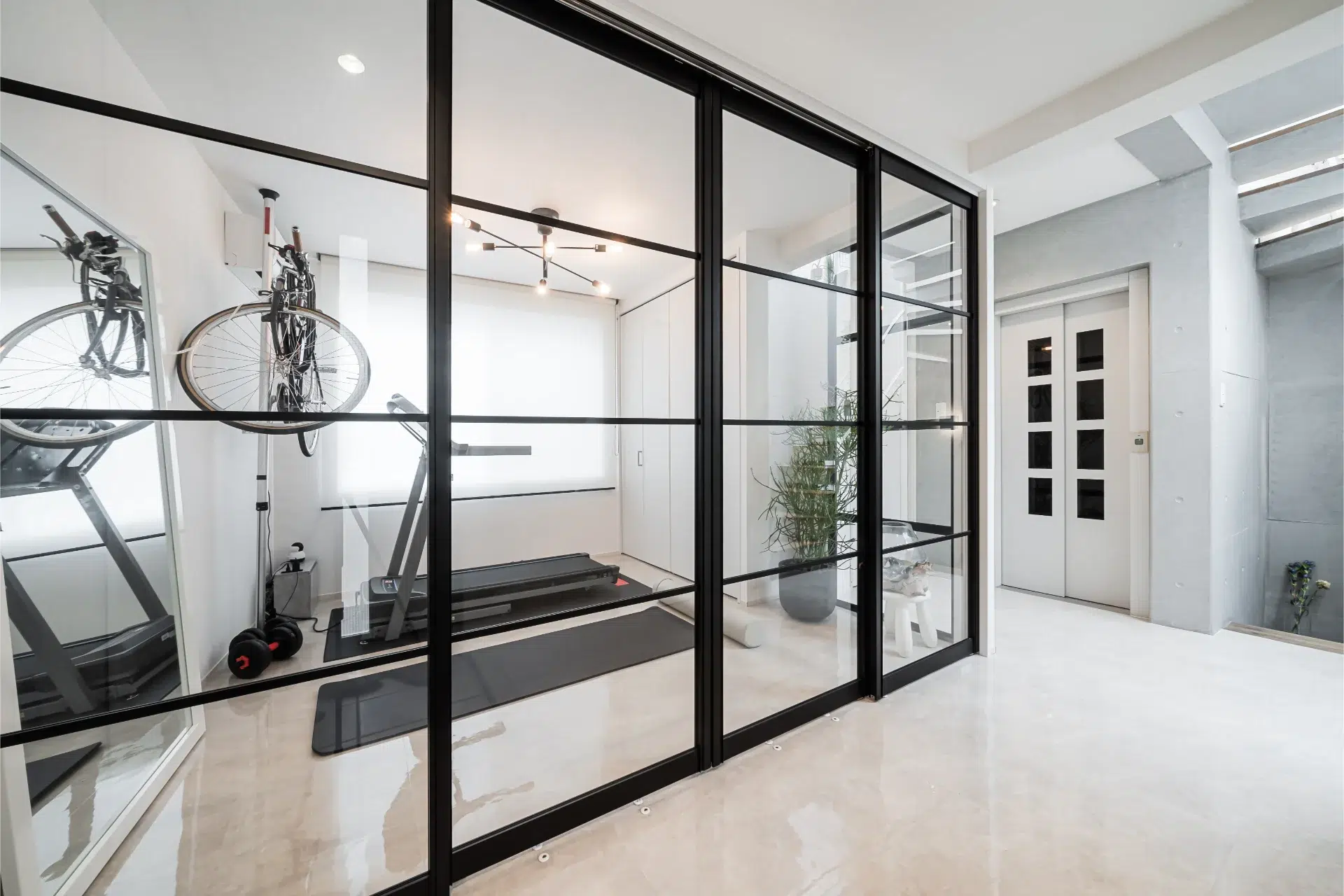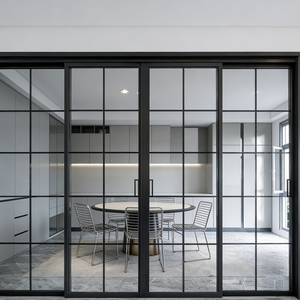
Aluminum Hurricane Swing Sliding French Doors
Heavy-duty hurricane impact swing & sliding French doors tailored for luxury hotels, coastal villas, apartments, and grand balcony entrances.
Precision-engineered aluminum envelope solutions designed for luxury residential villas, high-rise commercial structures, and weather-critical coastal deployments.
Heavy-duty hurricane impact swing & sliding French doors tailored for luxury hotels, coastal villas, apartments, and grand balcony entrances.
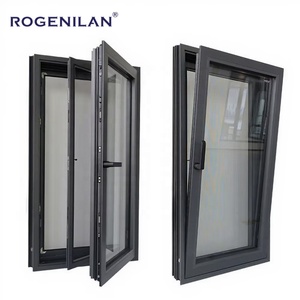
CE certified minimalist profile windows featuring dual-action tilt-turn mechanics, extreme wind pressure resistance, and high acoustic insulation.
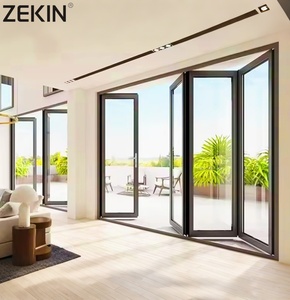
Thermally broken double tempered glass folding door systems engineered to withstand severe missile impact while maintaining sleek aesthetic profiles.
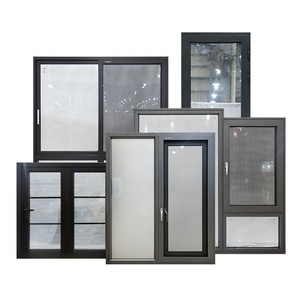
Factory-direct bespoke fenestration solutions crafted in Foshan China, integrating multi-point locking mechanisms and low-E insulated glass units.
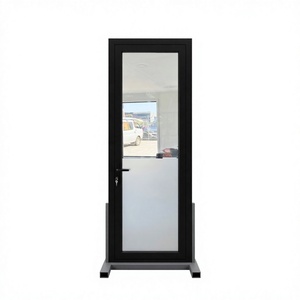
Precision casement doors fitted with stainless steel security mesh screens, ideal for high-use hotel suites, kitchens, and interior courtyard accesses.
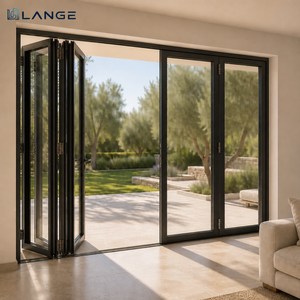
Ultra-energy-efficient broken bridge aluminum folding system featuring triple tempered glass panels for extreme climate insulation and noise dampening.
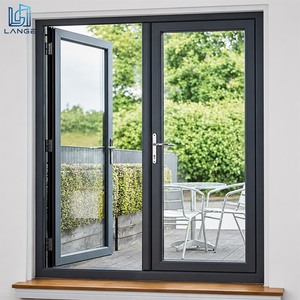
Rigorously tested against flying debris and storm surge pressures, designed specifically for the South USA, Caribbean, and coastal hurricane belts.
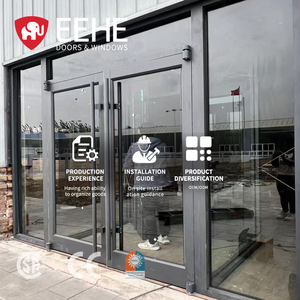
High-traffic commercial entry doors engineered with reinforced thermal aluminum frames, tinted safety glass, and commercial-grade heavy hardware.
As modern architectural design continues to prioritize expansive clear spans, ultra-slim sightlines, and strict energy efficiency metrics, the global demand for high-performance aluminum window and door systems has expanded exponentially. China—specifically the Foshan industrial cluster—has cemented its position as the world's leading hub for architectural aluminum processing, precision extrusion, and structural glass assembly.
For international buyers, general contractors, real estate developers, and window distributors, navigating the sourcing landscape requires clear technical discernment. Superior Chinese manufacturing is distinguished not merely by unit cost efficiency, but by advanced alloy metallurgy (such as primary 6063-T6 aluminum billets), structural thermal break integration, precision CNC machining, and rigorous compliance with international building codes including North American NFRC/AAMA standards, European CE/EN norms, and Australian AS2047 specifications.
To eliminate performance variability in international logistics and structural installation, premier Chinese exporters enforce rigorous, end-to-end quality control protocols. Working directly with an established manufacturer bypasses intermediate distributor markups—delivering up to 50% savings while maintaining strict technical oversight.
Utilizing high-purity primary aluminum alloys (6063-T6) with minimum wall thicknesses conforming to structural design loads. Extrusions undergo automated artificial aging to optimize tensile strength, yield strength, and Webstar hardness parameters.
Structural thermal break profiles utilize imported Polyamide PA66 reinforced with 25% glass fiber. This matches the thermal expansion coefficient of aluminum, preventing shear failure under extreme temperature gradients.
Advanced surface treatments including PPG AkzoNobel Fluorocarbon PVDF coatings, electrostatic powder spraying, and anodizing to exceed AAMA 2605 specifications—resisting salt spray, UV degradation, and chalking in coastal environments.
Every fenestration unit undergoes incoming material checks, CNC machining tolerance verification (+/- 0.5mm), corner crimping structural stress testing, and complete pre-shipment water tightness and air infiltration reviews.
A comprehensive comparison detailing engineering specifications across core aluminum window and door product lines:
| System Classification | Structural Alloy Grade | Thermal Transmittance (U-Value) | Acoustic Rating (STC) | Design Pressure (DP / Wind Load) |
|---|---|---|---|---|
| Hurricane Impact Sliding Doors | 6063-T6 High Tensile | 1.6 - 2.0 W/m²K | 38 - 42 dB | DP 60 - DP 90 (Florida Miami-Dade Standard) |
| Slim Frame Tilt & Turn Windows | 6063-T5 / T6 Architectural | 1.2 - 1.5 W/m²K | 40 - 45 dB | Up to 3500 Pa Water/Wind Pressure |
| Thermally Broken Bi-Fold Systems | 6063-T6 Heavy Gauge | 1.4 - 1.8 W/m²K | 36 - 40 dB | DP 50 Structural Rating |
| Commercial Storefront Systems | 6061-T6 / 6063-T6 Reinforced | 2.0 - 2.5 W/m²K | 32 - 36 dB | High Traffic Heavy Duty Commercial Grade |
Procurement strategists and developers must align current purchasing specifications with emerging structural, environmental, and technological trends shaping the fenestration sector:
Interlock profiles under 20mm width are transitioning from luxury custom builds to standard commercial specifications, shifting structural load directly onto bonded laminated glass panels.
Future-proof thermal profiles incorporate VIG units to achieve sub-0.8 W/m²K U-factors in lightweight double-glazed profiles without requiring thick, heavy triple glazing.
Heavy-duty sliding and bifold doors are increasingly specified with hidden linear electric drives, smart home integration, and automated magnetic levitation (Maglev) tracks.
Global climate shifts are driving higher baseline demand for hurricane missile impact resistance (ASTM E1886/E1996) and thermal break insulation across non-traditional zones.
Leading Chinese exporters are adopting hydro-powered recycled aluminum extrusions, drastically cutting embodied carbon metrics to meet LEED and BREEAM green building certifications.
B2B buyers now demand direct 3D Revit/BIM modeling support from manufacturers during early design phases, eliminating field fabrication errors prior to container loading.
Modern fenestration design has evolved from basic space dividers to highly sophisticated building envelope components. Key structural innovations engineered into top-tier systems include:
Direct factory prices, full engineering customization, and certified storm-rated structural solutions for your next development or distribution catalog.