Architectural-Grade Aluminium Sliding Window Collection
Engineered for extreme structural loads, superior thermal break insulation, acoustic isolation, and seamless transition between indoor and outdoor living environments.
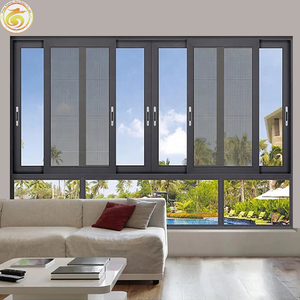
Soundproof Thermal Break Aluminum Double Glass Sliding Window
Precision-engineered with multi-chamber PA66 thermal barriers and insulated glass units (IGU) to attenuate noise up to 42 dB while preserving thermal efficiency.
View Specifications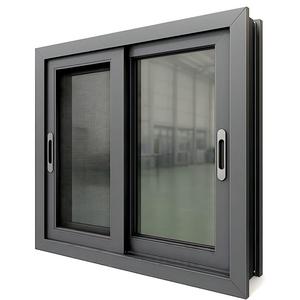
Custom Black Aluminum Double Glazed Sliding Windows with Low-E Glass
Featuring fluorocarbon matte black powder coating, integrated stainless steel flyscreen mesh, and high-transmittance Low-E solar radiation reflective glass.
View Specifications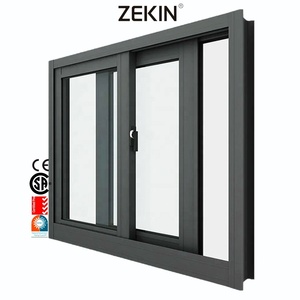
Energy-Efficient Hurricane-Certified Aluminum Sliding Windows
NFRC and AS2047 fully accredited heavy-duty profile system utilizing tempered laminated impact glass to withstand severe coastal storm conditions.
View Specifications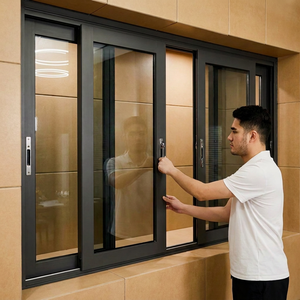
Aluminium Balcony Sliding Windows & Architectural Systems
Cost-optimized high-rise apartment and residential balcony sliding systems crafted for tropical typhoon zones, heavy rainfall resistance, and continuous ventilation.
View Specifications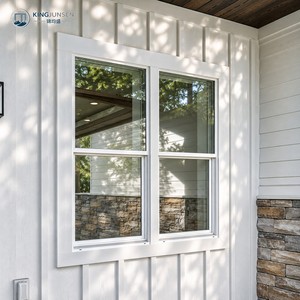
Waterproof Sliding Aluminum Window with Soundproof Glass
Equipped with step-down multi-channel drainage sills, magnetic acoustic seals, and hidden sash track systems to deliver zero water infiltration in extreme driving rain.
View Specifications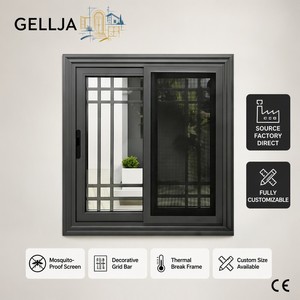
Modern Custom Hurricane-Proof Double Glazed Horizontal Window
Reinforced aluminum alloy extrusions (6063-T6) combined with multi-point perimeter locks and heavy-duty stainless steel rollers for smooth, high-security opening.
View Specifications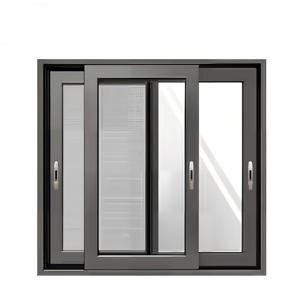
Slim Frame Fluorocarbon Coated Kitchen Sliding Window
Ultra-thin 50mm visible profile sightlines featuring fluorocarbon surface treatment for chemical grease resistance, maximize natural light illumination in kitchen interiors.
View Specifications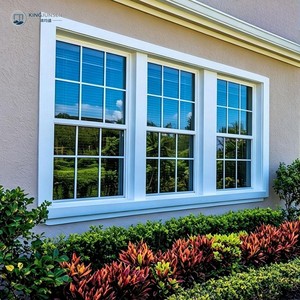
Energy-Saving Thermal Break Soundproof Window System
Designed specifically for modern residential and commercial retrofits seeking energy code compliance (U-value < 1.4 W/m²K) alongside high durability.
View SpecificationsEvaluating the Top 10 Aluminium Sliding Window Suppliers: Industry Benchmarks
Navigating the global architectural fenestration market requires rigorous technical evaluation. This guide provides real procurement intelligence for architects, developers, and trade distributors.
In modern commercial and high-end residential real estate developments, fenestration systems account for up to 15% of the total building envelope budget. Choosing the right aluminium sliding window supplier directly impacts structural integrity, thermal building code compliance (LEED, Passive House, NFRC), tenant comfort, and long-term lifecycle maintenance costs. When vetting candidates among the world's top 10 aluminium sliding window suppliers, engineering capabilities, profile alloy standards, surface coating longevity, and direct factory support must be evaluated beyond superficial price-per-square-meter quotes.
The global shift toward expansive glass facades and ultra-slim profile sightlines has transformed the manufacturing requirements for sliding windows. Traditional non-thermal residential profiles can no longer satisfy strict municipal energy codes. Leading tier-one suppliers like Vela Modern Windows & Doors Industrial Ltd. have revolutionized production methodologies by pairing automated CNC milling and precision corners with advanced thermal break engineering.
Aluminum Alloy Standard (6063-T6)
Top suppliers strictly utilize virgin 6063-T6 architectural grade aluminum profile extrusions. T6 heat tempering ensures a tensile strength ≥ 205 MPa, capable of supporting heavy double- and triple-glazed spans without structural sagging.
Thermal Barrier Engineering
Integration of high-density Polyamide (PA66GF25 with 25% glass fiber reinforcement) thermal breaks prevents heat conduction across inner and outer extrusions, achieving thermal U-factors down to 1.2 W/m²K.
Surface Treatment Standard
Premium suppliers comply with AAMA 2605 or Qualicoat Class 2 standards using Fluorocarbon (PVDF) 3-coat spraying or heavy-duty anodizing (≥ 25 microns) to prevent salt-air oxidation and UV fading in coastal climates.
Value Engineering Insights for Procurement Directors
By bypassing regional distributor markups and working directly with verified manufacturers who offer custom shop drawing submittals and factory-direct logistics, project procurement teams routinely achieve 30% to 50% capital cost reductions while maintaining or exceeding specified structural performance metrics.
Supplier Engineering & Manufacturing Comparison
A clear benchmark comparing Tier-1 Direct Manufacturers against Traditional Local Distributors and Low-Cost Non-Thermal Extruders.
| Evaluation Metric | Tier-1 Factory Direct (e.g., Vela) | Traditional Local Distributor | Low-Cost Non-Thermal Supplier |
|---|---|---|---|
| Pricing Structure | Factory Direct (Zero Intermediary Markup) | +40% to +80% Dealer/Middleman Margin | Low Initial Cost / High Long-Term Risk |
| Quality Assurance Protocol | 26-Step Production + 4 Stage QC Inspections | Variable / Depends on Sourcing Sourcing Batch | Basic Visual Check / Minimal Testing |
| International Certifications | NFRC, AAMA, AS2047, CE Accredited | Varies / Often Sub-Licensed | None or Unverified Local Certificates |
| Structural Wind Load Capacity | Up to 5000 Pa (Hurricane Impact Rated) | Standard Residential Limits (1500-2500 Pa) | Low Wind Resistance (< 1200 Pa) |
| Custom Customization & BIM | Full Engineering Support & CAD/BIM Services | Restricted to Fixed Catalog Sizes | No Custom Shop Drawing Service |
| Acoustic Isolation (STC Rating) | STC 38 - STC 45 (Double/Triple Low-E IGU) | STC 28 - STC 32 | STC < 25 (Single Glass / Basic Seals) |
Why Vela Modern Windows & Doors Leads the Global Market
Combining advanced automated European milling machinery with meticulous craft finish standards, Vela delivers precision-engineered sliding fenestration globally.
26-Step Precision Manufacturing Process
Every sliding window sash and frame extruded at Vela passes through an uncompromising 26-step manufacturing workflow. From ultrasonic profile cleaning, high-precision CNC corner mitering, double-component corner crimping, to automatic EPDM gasket insertion, every unit is engineered to tight tolerances of ±0.5mm.
- Raw Material Verification: Chemical composition check on 6063-T6 aluminum ingots.
- Precision CNC Machining: Automated multi-axis milling for hardware locks and drain slots.
- Thermal Strip Assembly: Mechanical knurling and glass-fiber polyamide insertion.
- Corner Crimping & Injected Sealants: Structural corner joints sealed with German sealant.
4-Stage Rigorous Quality Inspection
Zero-defect quality control is embedded across our assembly line. Prior to ocean packaging, every order undergoes four mandatory engineering check-stops:
- Incoming Material Inspection: Profile anodizing thickness and glass spectro-reflectance.
- In-Process Assembly Audit: Sash sliding torque test and lock gear alignment.
- Mock-up Weatherproof Chamber Test: Water penetration and air infiltration testing.
- Pre-Shipment Protective Crate Inspection: Heavy export fumigated wooden box loading.
Technological Trends Reshaping Aluminium Sliding Windows
Next-generation engineering standards shifting fenestration performance over the next decade.
Vacuum Insulated Glass (VIG) Integration
Replacing traditional gas-filled double glazing with VIG technology yields U-values as low as 0.6 W/m²K in thin profiles, delivering triple-pane insulation in lightweight sashes.
Ultra-Slim Interlockers (< 20mm Sightlines)
Architectural demand for invisible frames has pushed meeting-stile interlock widths under 20mm while embedding structural carbon-fiber stiffeners inside the mullions.
Hidden Sub-Floor Drain Tracks
Flush-threshold designs featuring hidden perimeter drainage channels allow true barrier-free floor transitions with zero risk of storm water backing up indoors.
Smart Motorized & BMS Connectivity
Automated concealed electric drive motors integrated with smart home protocols (Zigbee, KNX) automatically open sliding panels for night purging and natural cooling.
Antibacterial & Self-Cleaning Glass Coatings
Hydrophilic titanium dioxide (TiO2) exterior coatings harness sun UV light to break down organic dirt, which is cleanly washed away during normal rain showers.
Multi-Point Electromagnetic Locking
Replacing mechanical latch handles with invisible magnetic actuators enhances burglar resistance to European RC3/RC4 security standards while maintaining sleek profile aesthetics.
Global Procurement & Supply Chain Forecast
Strategic supply chain dynamics that developers and project buyers must navigate in 2025 and beyond.
Low-Carbon & Recycled Aluminum (ESG Mandates)
Institutional real estate funds are enforcing strict ESG embodied carbon limits. Leading suppliers now utilize low-carbon extruded aluminum produced using hydroelectric power and ≥ 75% recycled scrap content, reducing profile carbon intensity below 4.0 kg CO2/kg Al.
Digital Twin & BIM Level 2 Synchronization
Procurement workflows are transitioning from static 2D DWG files to rich 3D BIM (Revit) parametric models. Direct manufacturers provide custom BIM objects with embedded thermal, acoustic, and cost metadata, accelerating building code approvals.
Modular Unitized Pre-Assembly
To lower expensive site labor costs in North America, Europe, and Australia, window sashes are increasingly pre-glazed and pre-hung in factory environments, packed in custom steel transport A-frames for rapid job site drop-in installation.
Global B2B Sourcing & Engineering FAQ
Direct answers to technical and commercial questions raised by project architects, general contractors, and trade importers.
How do thermal break aluminium sliding windows differ from non-thermal profiles?
Thermal break aluminium profiles feature a continuous low-conductive reinforced polyamide (PA66) strip mechanically crimped between the exterior and interior extruded aluminium frames. Standard non-thermal aluminium conducts heat rapidly (thermal conductivity ~200 W/mK), causing severe heat loss in winter, thermal gain in summer, and interior glass condensation. Polyamide thermal barriers reduce profile conductivity dramatically, helping the overall window assembly achieve tight NFRC U-values below 0.30 BTU/hr·ft²·°F (1.7 W/m²K).
What minimum structural certifications should be verified for hurricane-prone or coastal projects?
For coastal and high-wind environments, suppliers should provide certified laboratory test reports compliant with North American AAMA/WDMA/CSA 101/I.S.2/A440 standards, ASTM E1886/E1996 large missile impact testing, or Australian AS2047 accreditation. Key performance metrics include Design Pressure (DP) ratings ≥ DP50, structural wind load resistance up to 5000 Pa, and water resistance test pressure exceeding 450 Pa without sill leakage.
What is the typical lead time and process for direct custom order manufacturing?
Factory-direct manufacturing typically spans 25 to 35 calendar days from final shop drawing sign-off. The standard workflow includes: 1) Initial architectural drawing review and structural quote (2-3 days), 2) CAD shop drawing generation and hardware selection (3-5 days), 3) Extrusion cutting, CNC machining, thermal strip crimping, and powder coating (12-15 days), 4) Insulated glass unit production and glazing assembly (7-10 days), and 5) Final factory testing, inspection, and sea-freight packing (3 days).
How does factory-direct procurement deliver up to 50% cost savings compared to local distributors?
Traditional distribution channels involve multiple markups: manufacturer to export trading house (+15%), export house to regional distributor (+25%), distributor to local dealer (+30%), plus dealer showroom overheads. Direct procurement from vertically integrated manufacturers like Vela eliminates these middleman margins entirely. Buyers pay true factory FOB/CIF costs while receiving dedicated 1-on-1 technical engineering support directly from the factory's design team.
What surface finish is recommended for high-humidity or urban industrial locations?
For severe industrial or marine environments (within 1 mile of sea ocean spray), architectural Fluorocarbon PVDF (Polyvinylidene Fluoride) 3-coat spray coating conforming to AAMA 2605 or heavy Anodizing (≥ 25 microns with chemical sealing) is mandatory. Standard liquid or powder coatings may chalk, pit, or blister under prolonged salt mist exposure. PVDF finishes retain gloss and color integrity for over 25-30 years in harsh outdoor climates.
Can custom sliding window configurations accommodate integrated flyscreens and motorized blinds?
Yes. Modern architectural sliding windows feature multi-track frame extrusions (2-track, 3-track, or 4-track) that seamlessly incorporate heavy-duty stainless steel security mesh screens (304 or 316 mesh grade) or retractable insect screens. Furthermore, double glazed glass units can integrate motorized or manual venetian blinds sealed inside the dry argon gas cavity, eliminating dust accumulation and cleaning requirements entirely.
Partner With a Certified Direct Manufacturer
Whether you are specifying for a multi-family residential tower, high-end luxury villa, or commercial resort project, our engineering team provides comprehensive shop drawings, structural calculations, and direct factory pricing.