Factory-Direct Product Selection
Certified high-performance architectural aluminium window systems engineered for residential, commercial, and coastal specifications.
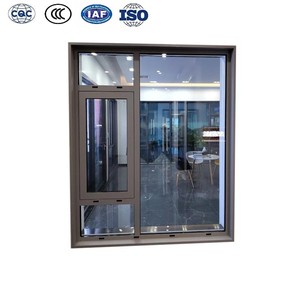
Global Market Analysis: Navigating Top 10 Aluminium Windows Prices and Supplier Dynamics
In contemporary architectural engineering and commercial real estate development, architectural aluminium window systems have solidified their position as the preferred envelope material for luxury residential towers, hospitality complexes, and urban developments. The global demand for structural integrity, energy performance compliance (such as NFRC, Title 24, and Passive House standards), and ultra-slim sightlines has created a highly sophisticated international procurement landscape.
Understanding the price distribution, manufacturing methodology, and direct-factory exporter capability is vital for B2B buyers, architectural specifiers, and procurement executives. The price of high-grade export aluminium windows varies significantly based on aluminum ingot market indices (LME), thermal break technology, surface finishing grades, insulated glass unit (IGU) build-ups, and structural hardware integration.
Procurement Information Gain: Direct OEM/ODM factory sourcing eliminates multi-layer distributor markups, yielding up to 50% capital savings while unlocking custom extrusions, advanced PA66GF25 polyamide thermal barriers, and specialized hurricane-impact glass build-ups engineered specifically for regional wind-load and solar heat requirements.
When assessing pricing structures from leading global factories and export hubs, procurement teams must look beyond raw per-square-meter figures and evaluate total lifecycle performance, acoustic insulation parameters (STC ratings), wind load resistance (Class A4 / DP ratings), and thermal transmittance values ($U$-Factors).
Comprehensive Pricing & Specification Benchmarks: Top 10 Aluminium Window Systems
To assist developers, architects, and importers in precise budget forecasting, the following technical matrix breaks down the top 10 aluminium window system configurations engineered by tier-1 global manufacturing exporters:
| System Configuration | Wall Thickness | Thermal Barrier | U-Factor Range | Est. FOB Price ($/m²) |
|---|---|---|---|---|
| 1. Thermal Break Casement Window | 1.4mm - 2.0mm | Polyamide PA66GF25 | 0.22 - 0.30 BTU/h·ft²·°F | $110 - $210 / m² |
| 2. Ultra-Insulated Passive House Window | 2.0mm - 3.0mm | Multi-Chamber Polyurethane | 0.12 - 0.18 BTU/h·ft²·°F | $220 - $380 / m² |
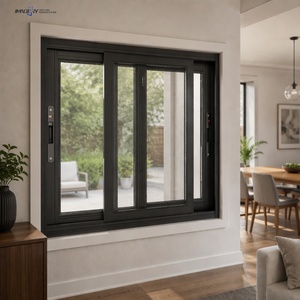
| 3. Heavy-Duty Multi-Track Sliding Window | 1.8mm - 2.5mm | PA66 Strip / Structural | 0.28 - 0.35 BTU/h·ft²·°F | $130 - $240 / m² |
| 4. Hurricane Impact Casement Window | 2.0mm - 2.5mm | Heavy Steel Reinforced | 0.25 - 0.32 BTU/h·ft²·°F | $180 - $320 / m² |
| 5. Acoustic Insulated Double Glazed Window | 1.4mm - 1.8mm | Acoustic Interlayer Gasket | 0.26 - 0.34 BTU/h·ft²·°F | $95 - $175 / m² |
| 6. Minimalist Slim-Sightline Sliding System | 2.0mm - 3.0mm | Concealed Thermal Break | 0.24 - 0.30 BTU/h·ft²·°F | $210 - $390 / m² |
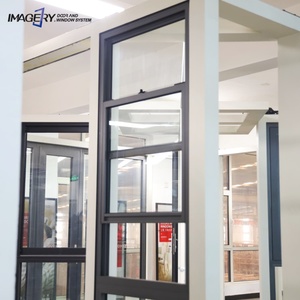
| 7. Single / Double Hung Vertical Sliding Window | 1.4mm - 1.6mm | Polyamide Strip | 0.28 - 0.36 BTU/h·ft²·°F | $85 - $160 / m² |
| 8. Top-Hinged Awning & Canopy Window | 1.4mm - 2.0mm | PA66GF25 Strip | 0.24 - 0.32 BTU/h·ft²·°F | $105 - $190 / m² |
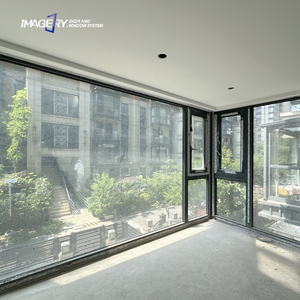
| 9. Structural Fixed Picture Glass Wall | 2.0mm - 3.0mm | Deep Frame Thermal Gap | 0.20 - 0.28 BTU/h·ft²·°F | $90 - $180 / m² |
| 10. Custom Architectural Arched Window | 1.8mm - 2.5mm | Bespoke Curved Thermal Strip | 0.25 - 0.35 BTU/h·ft²·°F | $150 - $280 / m² |
Technical Cost Determinants & Structural Cost Drivers
When evaluating quotations from global exporters, technical buyers must analyze the following structural components that directly dictate cost, longevity, and thermal ratings:
1. Aluminium Alloy & Extrusion Quality: High-grade export windows utilize primary 6063-T5 or 6063-T6 architectural aluminium alloys. Secondary or scrap-recycled aluminium alloys contain impurities that cause surface pitting, structural bending under high wind pressure, and premature powder coat failure.
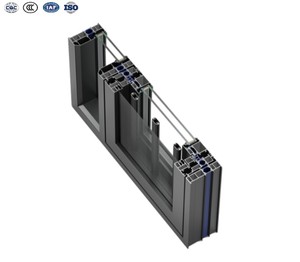
2. Thermal Break Strip Specifications: Standard non-thermal break profiles allow heat transfer through conduction. Premium thermal break windows utilize imported Polyamide PA66GF25 (25% fiberglass reinforced) strips that isolate the interior and exterior extrusion chambers. Advanced systems incorporate multi-chamber insulation inserts to meet European Passive House and North American NFRC energy codes.
3. Insulated Glass Unit (IGU) Architecture: Glass configurations account for up to 50% of total window costs. Base units utilize 5mm + 12Ar + 5mm tempered double glass. High-performance configurations integrate Low-E coatings (Double or Triple Silver Low-E), Argon gas filling (90%+ concentration), warm-edge structural spacers, and PVB/SGP laminated hurricane impact glass for windborne debris protection.
4. Hardware Systems & Multi-Point Locking Mechanism: Operating durability relies on heavy-duty friction hinges, rollers, and handles. Exporters integrated with premium hardware manufacturers (e.g., German-engineered Siegenia, Hoppe, or CMECH) deliver 50,000+ cycle reliability, multi-point anti-burglar locking points, and high-salinity corrosion resistance.
Future Sourcing & Development Trends in Aluminium Window Manufacturing (2026–2030)
The global facade and fenestration industry is undergoing a technological transformation driven by carbon reduction mandates, smart building automation, and extreme weather resilience requirements. B2B buyers seeking a competitive edge should align with manufacturers who are adopting these core market trends:
Low-Carbon & Eco-Aluminium
Global specifications increasingly require low-carbon primary aluminium produced using renewable hydroelectric power, alongside high recycled content profiles (Hydro CIRCAL compliance) to reduce embodied carbon footprint.
Smart Glazing & Automation
Integration of electrochromic dynamic smart glass, motorized concealed chain actuators, rain-sensor auto-closing mechanisms, and smart home IoT protocol connectivity directly into window head profiles.
Extreme Climate Resilience
Increasing demand for high-DP (Design Pressure) hurricane impact resistance, AAMA 2605 fluoropolymer (PVDF) corrosion-resistant surface coatings for coastal salt air, and wildfire-rated fire-resistant glazing systems.
As building codes tighten globally, suppliers capable of offering complete prefabricated sub-frame systems, concealed drainage channels, and continuous EPDM weather-seal gaskets are outperforming traditional standard fabricators.
Why Partner With Vela Modern Windows & Doors: Factory Advantages
At Vela Modern Windows & Doors Industrial Ltd., we bridge the gap between architectural vision and industrial fabrication. As a direct-export manufacturer, our facility operates with rigorous European engineering discipline, enabling global developers, architects, and importers to source world-class fenestration systems without intermediary distributor markups.
26-Step Precision Manufacturing Process
Every single frame, sash, and corner joint passes through an automated 26-step production line incorporating CNC profile cutting, double-corner crimping with structural glue injection, precision slot milling, and automated hardware fitting.
4-Tier Rigorous Quality Control
Our quality assurance protocol includes 1) Incoming Raw Material Checks, 2) In-Line CNC Milling Tolerance Checks, 3) Assembly & Weather-tightness Chamber Testing, and 4) Pre-Shipment Protective Packaging Verification.
Save Up to 50% Direct Factory Sourcing
By eliminating third-party dealers and local agent markups, buyers reallocate saved capital toward upgrading glass performance (e.g. triple-pane Low-E) or luxury architectural hardware without exceeding budget caps.
Certified Global Compliance
Systems engineered for NFRC thermal performance, AAMA air/water/structural load standards, and CE marking compliance, backed by full technical CAD/BIM support for architectural submittals.
Comprehensive Procurement FAQ: Global Sourcing & Factory Standards
Clear answers to critical procurement questions raised by commercial buyers, general contractors, and import distributors:
Do you manufacture the aluminium windows and doors directly in your own factory?
How much cost savings can be achieved by purchasing direct from the factory?
Are your window systems certified for North American and European building codes?
Can you manufacture custom sizes, non-standard shapes, and custom RAL colors?
Are aluminium window systems suitable for coastal humidity and extreme thermal zones?
What documentation is required to receive an accurate factory quotation?
Ready to Optimize Your Project Procurement & Costs?
Submit your architectural schedule or technical drawings today. Our engineering team will prepare a full factory-direct estimate and system specification proposal within 24 hours.