Featured Exterior Aluminum Doors & Windows
Certified performance engineered for residential, commercial, and multi-family developments worldwide.
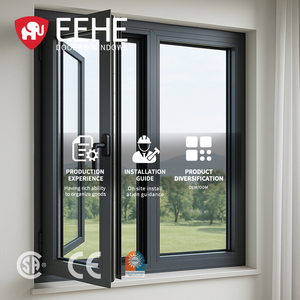
EEHE Modern Arched Thermal Insulation Casement Door & Window System
Explore System Specifications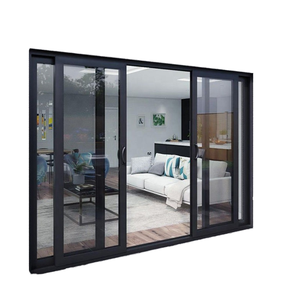
Customized Heavy-Duty Double Tempered Glass Exterior Sliding Patio Door
Explore System Specifications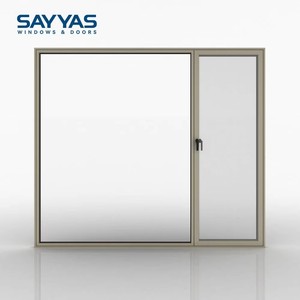
SAYYAS JE86-IW Thermal Break Soundproof Exterior System Package
Explore System Specifications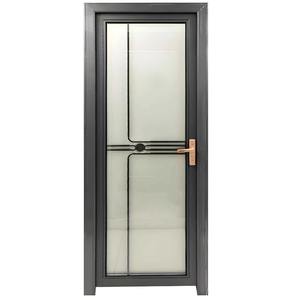
Minimalist Waterproof Aluminum Alloy Frame Glass Door Unit
Explore System Specifications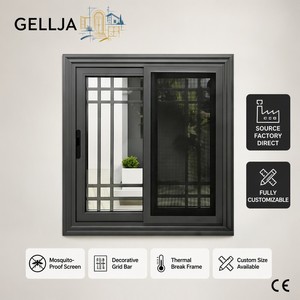
Hurricane-Proof Impact Double Glazed Thermal Aluminum Sliding System
Explore System Specifications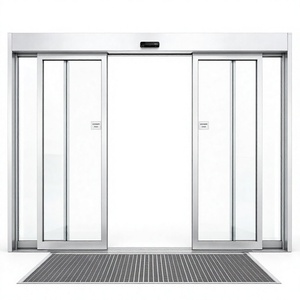
OUTUS Commercial Automatic Sensor Aluminum Sliding Door System
Explore System Specifications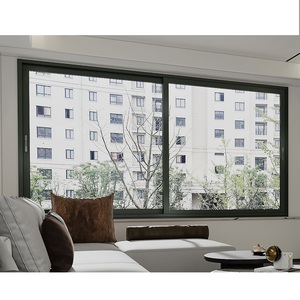
Heavy-Profile Aluminum Double Glazed Multi-Track Sliding Door
Explore System Specifications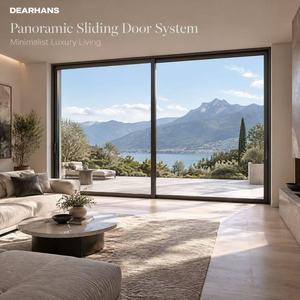
Modern Anodized Black Tempered Glass Exterior Entrance Door System
Explore System SpecificationsEnterprise Sourcing Advantages & Engineering Precision
In the contemporary global construction landscape, sourcing structural exterior building envelope solutions demands absolute precision, verifiable metallurgical standards, and robust supply chain integrity. Working directly with tier-one primary manufacturers like Vela Modern Windows & Doors Industrial Ltd. circumvents traditional multi-tiered distribution networks, allowing commercial contractors, real estate developers, and architectural firms to optimize project expenditure while guaranteeing rigorous technical oversight.
Direct Engineering Collaboration
Bypassing trading houses connects your architectural detailers directly with our structural engineering team, drastically mitigating drawing interpretation errors and expediting custom shop drawing approvals.
Up to 50% Procurement Cost Optimization
By eliminating middle-tier distributor markups, developers allocate greater budget share toward high-performance double Low-E glazing, multi-point locking hardware, and specialized thermal breaks.
26-Step Production Quality Assurance
Every single door assembly undergoes a strict 26-step fabrication regimen coupled with 4 intensive quality verification gates prior to export-grade sea container packaging.
"Modern architectural trends favor expansive glass ratios and minimal visible sightlines. However, achieving structural integrity across 3.5-meter door panels in high wind-load zone environments requires high-tensile 6063-T6 aluminum alloys combined with engineered polyamide isolators."
Key Technical Parameters for Assessing Overseas Door Factories
When selecting a qualified aluminum external doors factory and exporter, architectural procurement teams must conduct rigorous technical due diligence beyond surface-level pricing. Below is the technical specification framework mandatory for high-performance international building envelopes:
| Evaluation Parameter | Vela Industrial Standards | Standard Commercial Grade | Impact on Building Performance |
|---|---|---|---|
| Extrusion Alloy & Temper | Primary 6063-T5 / T6 High-Purity Billet | Recycled / Secondary Grade Aluminum | Ensures dimensional stability, structural yield strength, and flawless surface finish. |
| Thermal Break Strip | PA66-GF25 (25% Glass Fiber Polyamide) | PVC or Low-Grade Polyurethane | Prevents thermal bridging, minimizes condensation, and lowers overall system U-Factor. |
| Surface Finish Compliance | AAMA 2605 Fluoropolymer / PVDF Powder | Standard Electrostatic Powder Coating | Resists UV degradation, chalking, sea-salt corrosion, and severe weathering for 25+ years. |
| Glazing Specification | Double/Triple SGCC Tempered + Argon Gas | Standard Monolithic / Non-Argon Double Glazing | Optimizes Solar Heat Gain Coefficient (SHGC) and Sound Transmission Class (STC 38-45 dB). |
| Hardware Integration | Multi-Point German Roto/Siegenia/Hoppe | Generic Single-Point Latch Mechanisms | Guarantees air-tightness under DP60 water/wind pressure and provides RC3 security protection. |
Future Procurement Trends in Exterior Aluminum Door Systems
The global demand for high-end aluminum exterior doors is experiencing a structural shift driven by stringent energy codes (such as ASHRAE 90.1 and IECC 2024), climate-resilient structural requirements, and modern minimalist architectural preferences. Strategic procurement managers must align their supply chains with the following emerging industry trajectories:
1. Decarbonization and Low-Carbon Aluminum Sourcing
Global real estate institutional investors now require Environmental Product Declarations (EPDs) for structural building components. Leading exporters are transitioning to green aluminum extruded using hydro-electric energy sources, substantially reducing embodied carbon metrics. Expect future tenders to enforce maximum kg-CO2/kg aluminum caps.
2. Ultra-Slim Profile Sightlines with Oversized Load Capacities
Architectural design demands seamless transition between indoor and outdoor living spaces. Sourcing trends favor panoramic sliding systems featuring concealed outer frames, sub-floor track drainages, and interlock sightlines as narrow as 20mm, while carrying panel weights up to 500 kg smoothly on stainless steel multi-wheel roller assemblies.
3. Hurricane-Impact Resistance and Extreme Weather Adaptation
Coastal development zones in North America, the Caribbean, and Southeast Asia are standardizing hurricane impact mandates. External doors must pass rigorous Large Missile Impact tests (ASTM E1886/E1996) and cycle pressure loading to achieve Design Pressure (DP) ratings exceeding DP70.
4. Embedded Smart Automation and Biometric Building Envelope Access
Modern residential and commercial entry doors are evolving into active electronic access nodes. Sourcing trends show exponential growth in motorized multi-point lock systems integrated with motorized heavy-duty pivot doors, biometric fingerprint scanners, and smart home automation systems (KNX/Zigbee protocol compatibility).
Technological Innovations Shaping Factory Manufacturing
To retain export dominance, tier-one manufacturers are investing heavily in advanced production technologies. Understanding these technical shifts enables procurement teams to vet suppliers accurately:
Aerogel Thermal Barrier Infusion
By injecting nanostructured aerogel insulation directly into the polyamide thermal break cavities, factories achieve ultra-low frame U-factors below 1.0 W/m²K without increasing profile depth.
Automated CNC 5-Axis Machining
Robotic 5-axis CNC machining centers execute corner miter cuts, lock hardware mortising, and drainage slots to tolerances within 0.05mm, eliminating air and water leakage pathways.
Multi-Barrier EPDM Co-Extrusion Sealing
Utilizing continuous vulcanized EPDM rubber gaskets combined with corner-molded vulcanization inserts prevents joint shrinkage and guarantees air infiltration rates below 0.1 cfm/ft².
Frequently Asked Questions for B2B Exterior Door Procurement
1. Why is thermally broken aluminum superior to non-thermal aluminum for external doors?
2. How does factory-direct sourcing yield savings up to 50% on commercial door projects?
3. What testing certifications are mandatory for importing aluminum external doors into North America and Europe?
4. What surface finish treatment provides the maximum corrosion resistance in coastal environments?
5. Can aluminum exterior doors be customized to fit non-standard rough opening dimensions?
6. How are oversized aluminum doors packaged to prevent damage during long-distance ocean transit?
7. What is the standard lead time from shop drawing approval to site delivery for factory orders?
8. What hardware brand integrations are recommended for high-frequency commercial exterior entry doors?
Engineered Exterior Door Systems for Global Projects
Consult directly with our fenestration engineering team to review architectural drawings, receive custom shop drawings, and secure factory-direct pricing for your upcoming commercial or luxury residential development.