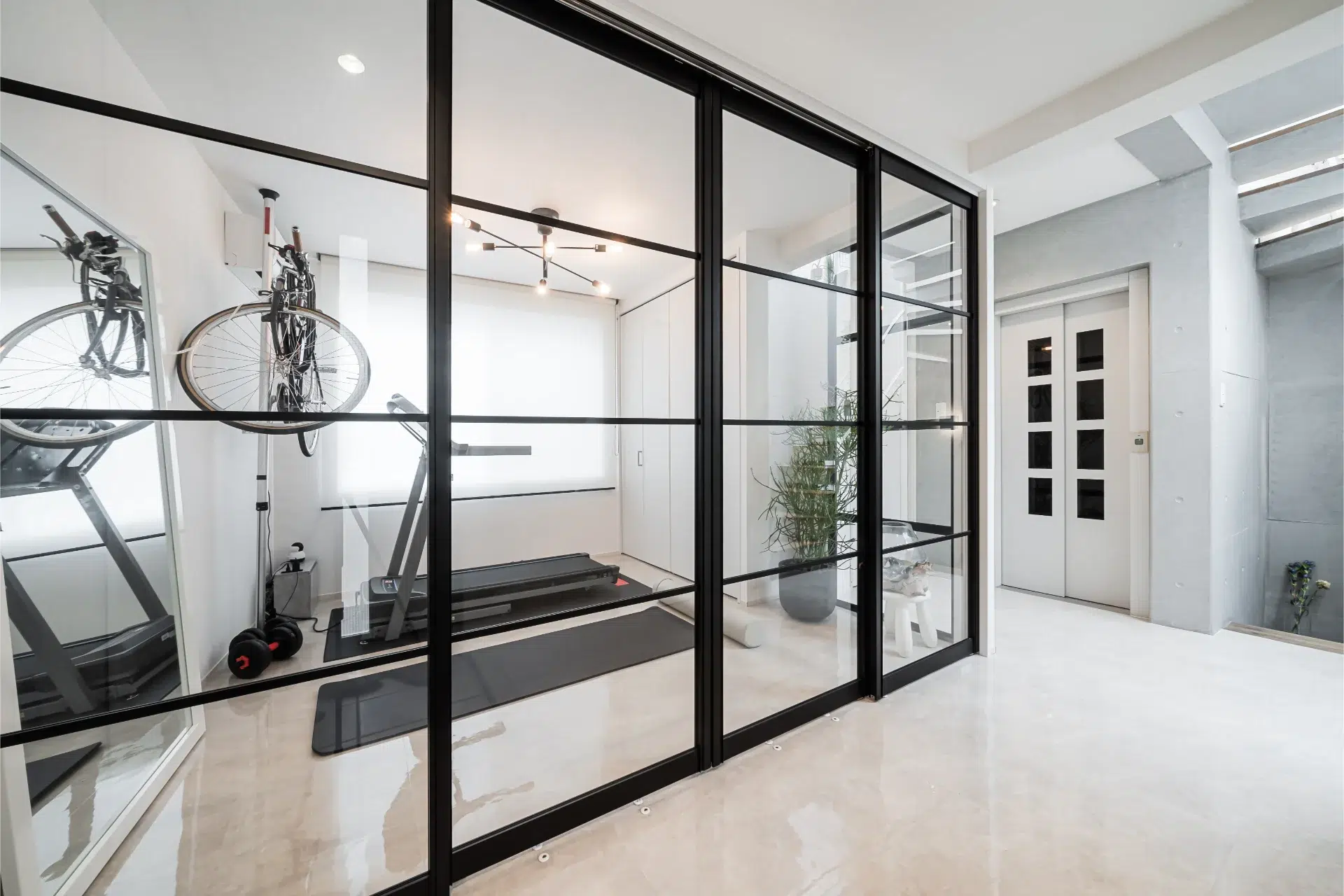
Architectural Fenestration & System Portfolio
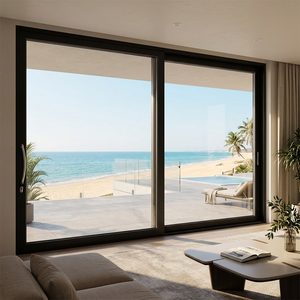
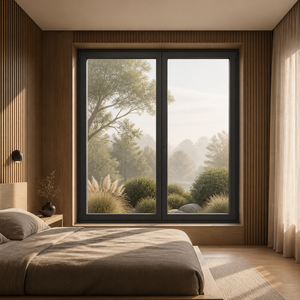
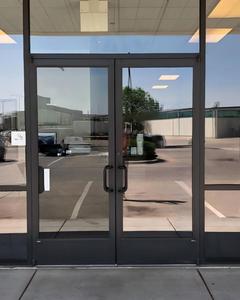
Direct factory-engineered aluminium casement windows, ultra-slim sliding partitions, structural folding doors, and thermal break systems for commercial developers and luxury residential projects.
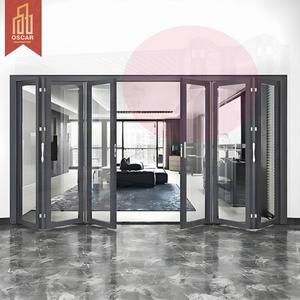
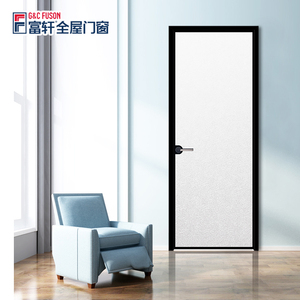
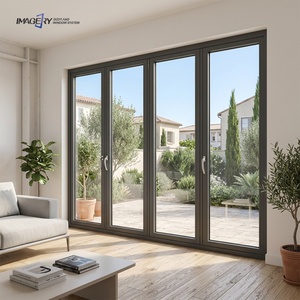
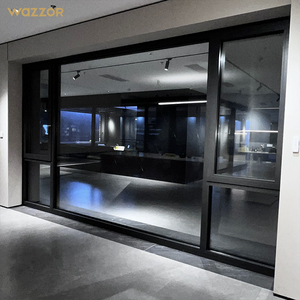
Factory-Direct Engineering & Manufacturing Excellence
By eliminating dealer layers and intermediary markups, Vela Modern Windows & Doors Industrial Ltd. provides direct manufacturing transparency, custom structural engineering, and uncompromising quality assurance to global architectural projects.
Navigating global supply chains for architectural fenestration requires absolute confidence in profile integrity, structural deflection compliance, and thermal performance metrics. Operating from specialized manufacturing hubs in China, our direct OEM/ODM infrastructure bridges advanced CNC automated milling with hand-finished artisan assembly. Every aluminium casement window system engineered in our facility undergoes strict metallurgical verification, ensuring 6063-T5/T6 grade structural integrity designed to withstand severe wind pressure, coastal humidity, and extreme temperature differentials.
Technical Blueprint: Thermal Break & Profile Architecture
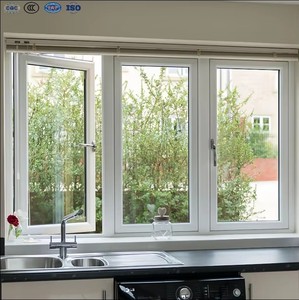
High-performance aluminium casement windows represent the gold standard in modern exterior building envelopes. Unlike traditional hollow aluminium sections that easily conduct heat, contemporary architectural specification mandates thermal break profile technology. By incorporating glass-fiber reinforced polyamide thermal barrier strips (PA66-GF25), structural thermal bridging is eliminated, drastically reducing overall Fenestration U-Factors to align with global Passive House and Energy Star mandates.
Alloy & Extrusion Physics
Constructed from primary 6063-T5/T6 billet extrusions with a wall thickness ranging from 1.6mm to 3.0mm for heavy-duty structural casement applications, satisfying ASTM B221 standards.
Polyamide PA66-GF25 Barriers
Featuring 24mm to 34mm polyamorphism structural insulation strips with 25% glass fiber reinforcement, guaranteeing identical linear thermal expansion ratios to aluminum frame members.
Multi-Point Security Systems
Integrated European standard C-groove hardware tracks supporting German-engineered ROTO Frank, Siegenia, or CMECH multi-point locking gear for superior air tightness and forced-entry protection.
Technical Performance Insight: A properly specified thermal break casement window utilizing Low-E double or triple Insulated Glass Units (IGU) filled with 90% Argon gas can lower interior HVAC energy load by up to 35% annually while achieving Sound Transmission Class (STC) ratings above 42 dB.
System Performance Matrix vs. Global Standards
| Performance Metric | Vela Architectural Casement Spec | Standard Market Equivalent | Testing Standard Reference |
|---|---|---|---|
| Thermal Transmittance (U-Value) | 0.8 – 1.4 W/m²·K (0.14 – 0.25 BTU/h·ft²·°F) | 2.2 – 3.2 W/m²·K | NFRC 100 / EN ISO 10077-2 |
| Structural Wind Load Deflection | Design Pressure up to 5000 Pa (PSF 100) | 2400 Pa (PSF 50) | ASTM E330 / AS2047 |
| Air Infiltration Resistance | < 0.05 L/s·m² at 75 Pa | < 0.30 L/s·m² | ASTM E283 / EN 12207 Class 4 |
| Water Penetration Pressure | 700 Pa (14.6 psf) zero leakage | 300 Pa (6.2 psf) | ASTM E331 / EN 12208 Class E900 |
| Acoustic Isolation (STC Rating) | STC 38 - 45 dB (Triple Glazed acoustic IGU) | STC 28 - 32 dB | ASTM E90 / ISO 140-3 |
Future Procurement Trends in B2B Fenestration Sourcing
The global procurement landscape for architectural windows and doors is shifting rapidly. General contractors, real estate developers, and international architects are no longer sourcing fenestration components solely based on initial unit price. Modern procurement frameworks prioritize total lifecycle performance, carbon compliance, digital building integration, and supply chain transparency.
1. Passive House & Net-Zero Mandates
Strict carbon-neutral building codes across North America (Energy Star v7.0) and Europe (EPBD directives) are pushing demand toward vacuum insulated glass (VIG) and multi-cavity thermal profiles achieving Passive House Institute (PHI) certification.
2. BIM Level 2 & 3 Digital Integration
Procurement officers require pre-engineered Autodesk Revit BIM families and Industry Foundation Classes (IFC) metadata to streamline structural clash detection and energy simulation prior to factory extrusion.
3. Ultra-Slim Sightlines & Concealed Hinges
Architectural aesthetics demand maximum daylight autonomy. Future casement designs incorporate fully concealed friction hinges, ultra-narrow 45mm frame profiles, and flush internal sash-to-frame alignments.
4. Smart Actuation & BMS Connectivity
Commercial building automation systems now require window actuators integrated with natural ventilation loops, wind/rain sensory feedback, and smart electrochromic privacy glass control panels.
Industry Development & Advanced Surface Technology
The durability of aluminium fenestration depends directly upon advanced chemical surface passivation and high-performance organic coatings. In coastal or highly industrial environments, untreated aluminium extrusions are vulnerable to filiform corrosion and ultraviolet degradation. Premier Chinese manufacturers are setting global standards by adopting eco-friendly zirconium pre-treatment lines paired with Fluorocarbon PVDF and Qualicoat Class 2 / Class 3 powder coatings.
Acid Etching & Degreasing
Removal of surface oxides to expose pure metallic lattice structure.
Chrome-Free Passivation
Applying nano-zirconium conversion layers for optimum paint adhesion.
Electrostatic Electrodeposition
Precision automated powder application ensuring consistent film thickness (60-80µm).
High-Temp Thermal Curing
200°C polymer cross-linking for superior scratch and UV chalking resistance.
2000-Hour Salt Spray Testing
Rigorous lab verification according to ASTM B117 salt spray exposure protocols.
Frequently Asked Procurement & Engineering Questions
Request Technical Specs & Factory Pricing
Partner directly with China's leading architectural fenestration manufacturer. Submit your project schedule or CAD drawings for engineering review and wholesale factory quotations.