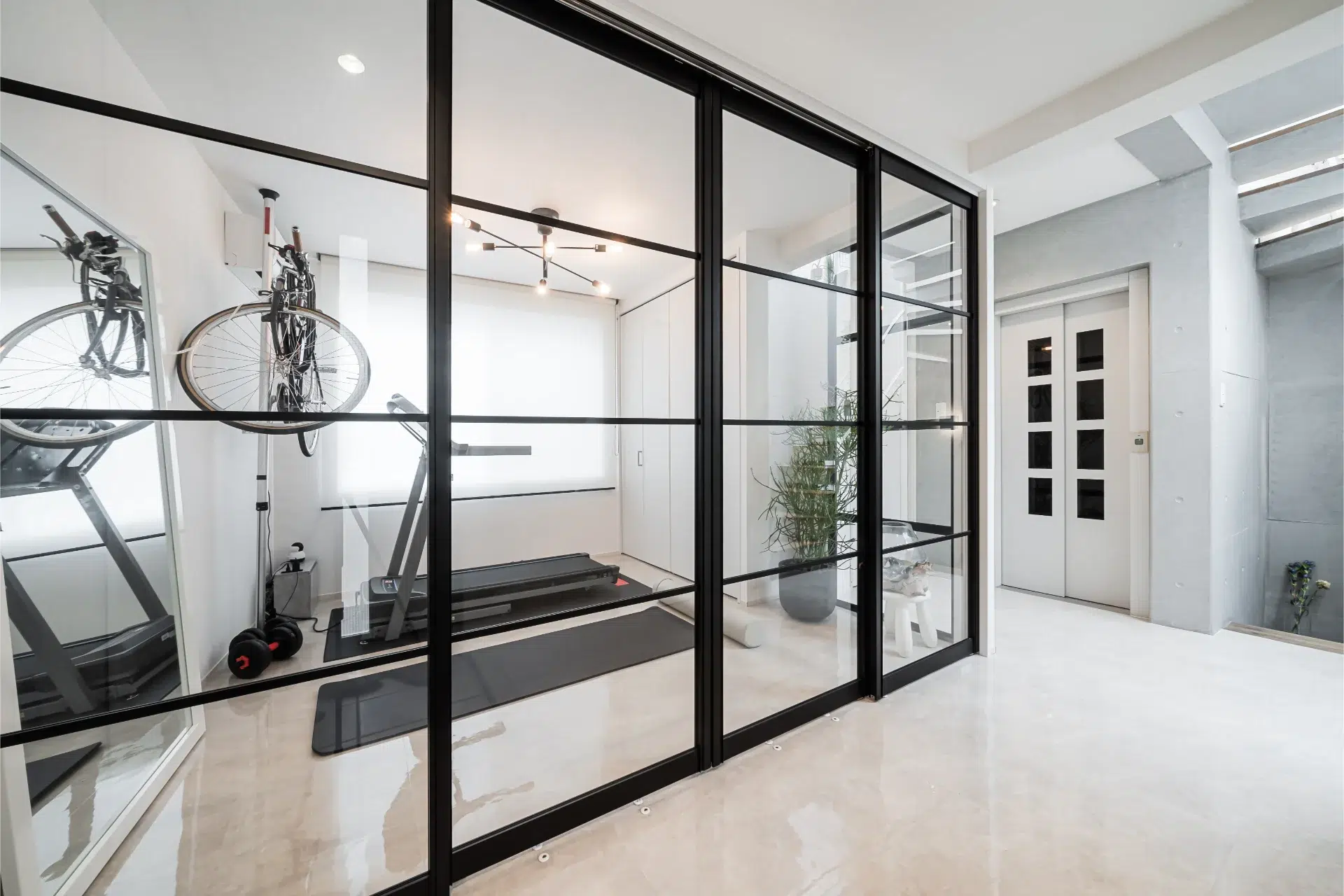
Precision Architectural Fenestration Systems
Engineered for thermal efficiency, modern minimalism, and extreme structural performance.
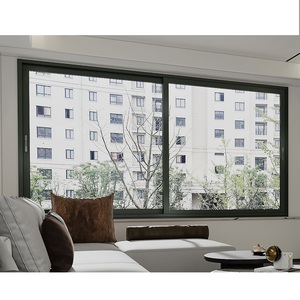
Aluminum Double Glass Sliding Window & Door System
View System Specs →
American Standard Exterior Thermal Break Aluminum System
View System Specs →
Soundproof Passive House High-Thermal Aluminium Windows
View System Specs →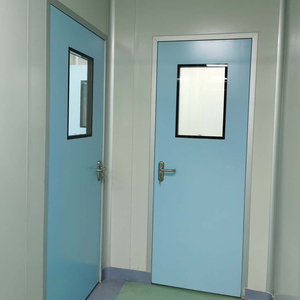
Hygienic Well-Sealed Cleanroom Aluminum Window Door
View System Specs →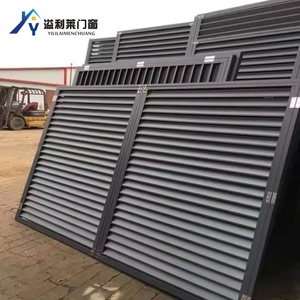
Modern Anti-Theft Aluminum Louver Shutter Windows & Doors
View System Specs →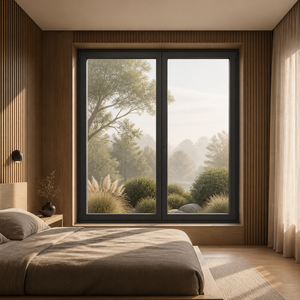
ODM Villa Casement Corrosion-Resistant Aluminum Windows
View System Specs →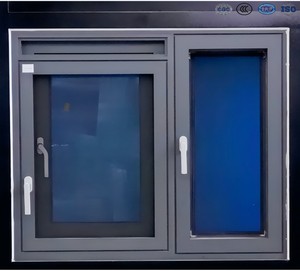
Modern Black Frame Double Glazed Hung & Casement Windows
View System Specs →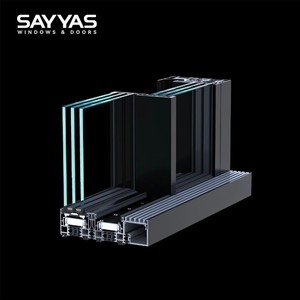
Heavy-Duty Thermal Break Double Glazing Sliding Door System
View System Specs →1. Architectural Fenestration & China's Aluminum Manufacturing Ecosystem
In modern architectural engineering, the structural envelope is no longer viewed merely as a static barrier against weather; it is an integrated high-performance system responsible for thermal regulation, acoustic isolation, structural integrity, and aesthetic character. Over the last two decades, China has evolved into the world's primary epicenter for high-precision extrusion, thermal break innovation, and architectural glass processing. For real estate developers, commercial contractors, facade consultants, and architectural distributors, partnering with a premier China aluminium door with window factory and supplier offers unprecedented technical flexibility and commercial advantages.
The core advantage of Chinese manufacturing lies in vertical integration. Facilities such as Vela Modern Windows & Doors Industrial Ltd. combine raw alloy billet casting, precision matrix extrusion, automated anodizing, PVDF fluorocarbon spraying, polyamide thermal break strip assembly, and automated Insulated Glass Unit (IGU) fabrication under a single quality management system. This eliminates inter-factory logistical delays and guarantees strict mechanical tolerances across all profiles.
Metallurgical Standards: 6063-T5 vs. 6061-T6 Extrusions
To achieve high structural performance while maintaining slim sightlines, profile alloy selection is critical. High-grade architectural window and door systems strictly utilize primary 6063-T5 or 6061-T6 aluminum alloys. Alloy 6063 provides superior surface smoothness, ideal for precision powder coating and anodizing, with exceptional corrosion resistance and a tensile yield strength suitable for large-span sliding systems. For ultra-tall structural curtain walls or high wind-load coastal environments, 6061-T6 profiles offer elevated yield strengths exceeding 240 MPa.
| Property / Specification | Alloy 6063-T5 (Standard Architectural) | Alloy 6061-T6 (High Structural) | Technical Significance for Fenestration |
|---|---|---|---|
| Tensile Strength (MPa) | ≥ 185 MPa | ≥ 290 MPa | Determines ultimate resistance to wind pressure and structural load. |
| Yield Strength (MPa) | ≥ 145 MPa | ≥ 240 MPa | Prevents permanent deflection under extreme pressure spikes. |
| Surface Finish Grade | Extra Fine / High Architectural | Standard Industrial | 6063-T5 accepts uniform PVDF and Anodized coatings effortlessly. |
| Anodizing Quality | Qualicoat Class 2 / 25 microns | Qualicoat Class 1 / 15 microns | Ensures 25+ years of zero pitting in saline coastal atmospheres. |
Information Gain: Thermal Break Engineering (PA66 GF25 vs. Pour & Debridge)
A frequent failure point in lower-tier imported windows is thermal bridge degradation. Premier factories utilize continuous Polyamide 66 reinforced with 25% glass fiber (PA66 GF25) mechanical insertion strips. PA66 GF25 exhibits an identical thermal expansion coefficient to aluminum alloys (2.3 × 10⁻⁵/K), ensuring that seasonal temperature shifts from -30°C to +80°C will not cause structural delamination or loss of air/water tightness over a 30-year operational life.
Why Global Specifiers Source Factory-Direct From Vela
Eliminating middleman dealer markups while maintaining rigorous North American & European performance certifications.
Direct Manufacturer Accountable Line
From architectural CAD review to final shipping packing, you deal with a single dedicated team of fenestration engineers. No lost specifications, fast technical answers, and custom profile extrusion design.
Up to 50% Commercial Cost Optimization
Bypassing regional dealer and distributor margins allows project budgets to be reallocated toward premium high-performance options, such as triple-pane Low-E glass, motorized hardware, and oversized glass panels.
NFRC & AAMA Testing Protocol
Systems are rigorously engineered to meet NFRC thermal performance (U-factor, SHGC) and AAMA air leakage, water penetration, and structural wind-load test standards for demanding global projects.
26-Step Manufacturing Precision
Our 26-step manufacturing workflow guarantees precision automated CNC corner crimping, continuous multi-layer EPDM weather stripping, and seamless hardware alignment on every single unit.
4-Tier In-Line Quality Auditing
Quality assurance is embedded at raw profile receipt, post-machining milling, post-assembly seal verification, and final protective wooden crate packaging prior to global sea export.
Complete Structural Customization
Custom extruded profiles, narrow-stile panoramic sliders, pocket sliding doors, heavy-duty structural pivot doors, and curved arched casements tailored precisely to architectural shop drawings.
2. Technology & Global Sourcing Trends in Architectural Fenestration
As international energy codes become increasingly stringent—such as Europe's EPBD requirements and North America's IECC strict U-factor limits—the demand for advanced aluminum doors and windows with integrated windows is accelerating. Understanding where fenestration technology is heading allows project specifiers and procurement managers to future-proof their building assets.
Trend A: Ultra-Slim Sightlines & Structural Glass Bonding
Modern architectural design prioritizes maximum daylighting and uninterrupted panoramic views. Traditional thick aluminum frame profiles are rapidly being replaced by ultra-slim frame systems (often with visible meeting stiles as narrow as 20mm to 30mm). Achieving this structural feat requires structural silicone glazing (SSG) technology, where high-modulus structural adhesive transfers wind loads directly from the aluminum frame to the tempered glass matrix. This creates a highly rigid composite structure capable of supporting oversized sliding panel heights exceeding 3.5 to 4.0 meters.
Trend B: Vacuum Insulated Glass (VIG) & Smart Electrochromic Integration
While double-glazed and triple-glazed units filled with 90% Argon gas remain the industry standard, the market is transitioning toward Vacuum Insulated Glass (VIG). VIG replaces the gas cavity with a micro-pillar array enclosed within an ultra-high vacuum chamber, achieving extraordinary U-factors down to 0.60 W/m²K in a slim 10mm profile thickness. Furthermore, electrochromic glass allows occupants to dynamically adjust tint levels via smart automation, reducing peak HVAC cooling loads by up to 30% in sun-exposed building elevations.
Trend C: Multi-Point Concealed Hardware & Smart Security Systems
Anti-theft engineering has evolved beyond standard surface-mounted latches. Modern high-end casement and sliding systems feature fully concealed multi-point locking gear constructed from anti-corrosion 304 stainless steel. Integrated sensors interface directly with smart home automation (IoT), providing real-time status monitoring of window lock positions, automated rain sensors for self-closing operation, and motorized push-button actuation for heavy-duty pivot and sliding doors.
Trend D: Environmental Product Declarations (EPD) & Decarbonized Aluminum
Global procurement teams now evaluate the embodied carbon footprint of construction materials. Leading Chinese suppliers are adopting "Green Aluminum" smelted using renewable hydropower rather than coal power. Combined with Environmental Product Declarations (EPD), this enables developers to earn higher LEED and BREEAM sustainability ratings for commercial developments.
Frequently Asked Sourcing & Engineering Questions
Direct technical answers to address common procurement, performance, and logistics inquiries.
3. The Professional 5-Stage Procurement Workflow
To ensure flawless execution when ordering custom aluminum windows and doors from China, our engineering team follows a systematic, transparent project management blueprint:
- Stage 1: Architectural Drawing Review: Submit your elevation plans, opening schedules, wind load criteria, and thermal performance requirements (U-factor targets).
- Stage 2: Technical Proposal & Quotation: Our structural engineers select optimal profile series, design thermal breaks, propose glass build-ups (e.g., 6mm Low-E + 12Ar + 6mm Clear), and issue itemized, transparent pricing.
- Stage 3: Shop Drawings & Profile Mockups: We issue detailed 2D CAD shop drawings detailing wall anchor points, sub-frame connections, drainage channels, and sill pan details for architect sign-off. Corner extrusion samples can be dispatched via air express.
- Stage 4: Automated Precision Production & In-Line QC: Computer-controlled double-head cutting saws, multi-axis CNC machining centers, automatic corner crimping machines, and air-tightness test bays execute the order across 26 distinct steps.
- Stage 5: Export Packaging & Global Delivery: Complete assemblies are protected with blue plastic film, corner caps, wrapped in bubble wrap, and secured inside steel-reinforced wooden cases for safe sea or rail container transport.
Ready to Request an Engineering Quote or Sample Box?
Consult directly with our senior fenestration specialists. Send us your architectural drawings, and we will deliver a comprehensive project estimate within 24 hours.
Contact Us