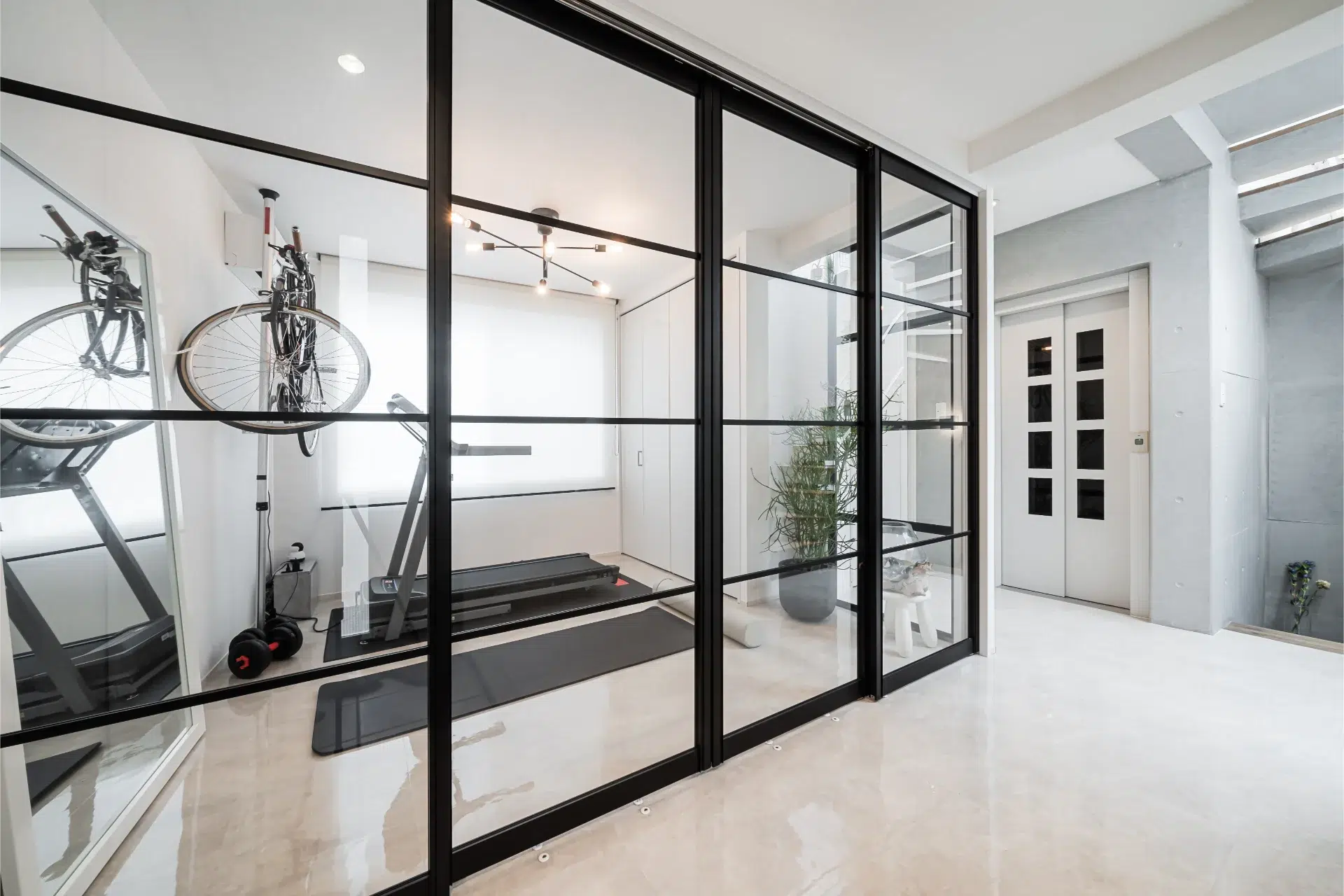
Engineered Aluminium Framed Door Systems
Direct sourcing options certified to NFRC, AAMA, CSA, and CE standards for high-load, thermal, and acoustic performance.
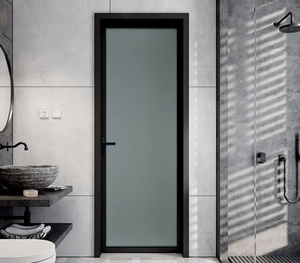
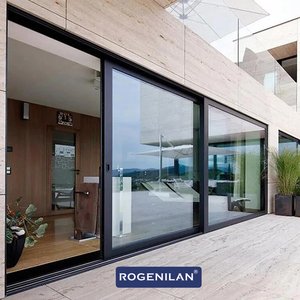
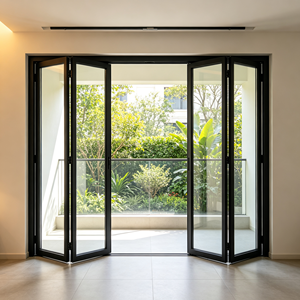
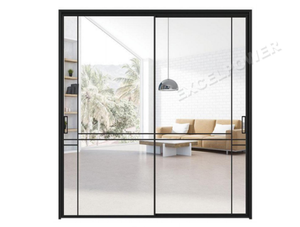
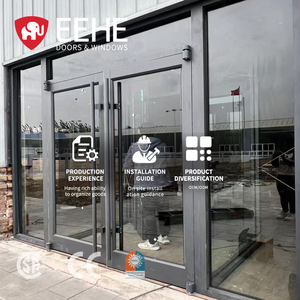
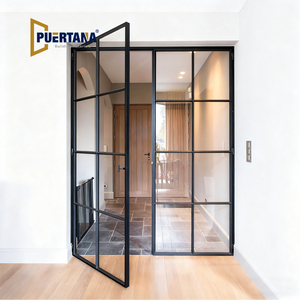
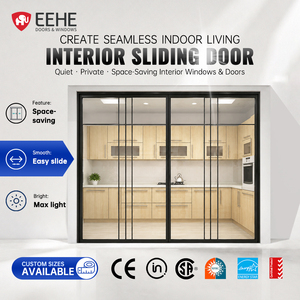
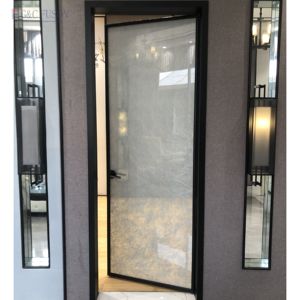
Strategic Sourcing Advantage: Engineering, Economics, & Quality Control
In global architectural door procurement, selecting top-tier aluminium framed doors factories requires evaluating the intersection of material science, structural engineering, and direct supply-chain transparency. At Vela Modern Windows & Doors Industrial Ltd., our operational framework eliminates traditional regional distributor markup layers, yielding up to 50% cost optimization while maintaining strict technical parity with tier-one European and North American framing systems.
Engineering integrity is anchored by our 26-step standardized manufacturing protocol, which spans raw architectural extrusion inspection to multi-axis CNC corner crimping and final acoustic glazing integration. Every custom order undergoes 4 non-negotiable quality inspections prior to international seaworthy packing:
- Raw Material Metallurgical Audit: Spectrographic verification of 6063-T5/T6 primary billet purity, wall thickness tolerances (minimum 1.4mm to 3.0mm structural thresholds), and polyamide PA66GF25 thermal barrier strip insertion strength.
- Machining Tolerance & Mitre Alignment: Automated CNC routing for lock gearboxes, drainage channels, and corner alignment within a precision margin of ±0.2mm.
- Acoustic & Weather Sealing Inspection: Pressure testing of EPDM continuous gasket seals, perimeter corner vulcanization, and double/triple-glazed Argon-filled Insulated Glass Units (IGUs).
- Pre-Shipment Structural & Finish QC: AAMA 2604/2605 powder coat and PVDF fluorocarbon dry film thickness (DFT) verification, alongside hardware cycling tests.
| Evaluation Parameter | Vela Direct Factory Sourcing | Standard Regional Trade Distributors |
|---|---|---|
| Cost Structure | Direct factory-gate pricing (Zero intermediary commission) | 30% to 50% compound distributor & dealer margins |
| Engineering Customization | Custom shop drawings, structural calculations & bespoke extruded profiles | Restricted to standard off-the-shelf catalog dimensions |
| Quality Standards Compliance | NFRC U-factor, AAMA water/air tightness, CSA, CE direct mill certs | Variable local assembly; fragmented component sourcing |
| Acoustic Attenuation (STC) | Custom acoustic glass build-ups achieving STC 38 – STC 45+ | Standard monolithic or basic dual-pane (STC 28 – 32) |
Future Procurement Trends in Aluminium Doors (2025–2030)
Global architectural trends are reshaping how procurement officers, commercial developers, and high-end residential builders specify exterior and interior glazing systems.
1. Ultra-Slim Sightlines & Structural Monoliths
Architects are increasingly specifying ultra-narrow interlocking stiles (down to 15mm – 20mm visible width) that support massive glass spans up to 12 square meters per panel. Achieving this without compromising wind-load resistance requires 6063-T6 structural reinforcement and hidden steel stiffeners inside the aluminum chambers.
2. Low-Carbon Aluminium & ASI Certification
ESG mandates and LEED building certifications are turning low-carbon secondary and primary aluminum into a standard requirement. Future procurement frameworks prioritize factories that utilize hydro-powered smelters and maintain Aluminium Stewardship Initiative (ASI) chain-of-custody tracking.
3. Multi-Cavity Thermal & Aerogel Insulation
Stringent building energy codes (such as ASHRAE 90.1 and EU Passive House standards) require frame U-factors below 0.18 BTU/h·ft²·°F. Procurement is pivoting toward multi-cavity PA66GF25 thermal breaks filled with expanded polyurethane or aerogel insulation strips to eliminate thermal bridging.
Industry & Manufacturing Development Trends
The global aluminium door manufacturing sector is undergoing a rapid transition toward advanced automation, material chemistry, and multi-functional performance integration. Key technological vector benchmarks include:
A. Smart Motorization & Concealed Automation
Modern commercial storefronts and high-end residential patio doors are integrating brushless DC servo motors directly within the top track extrusions. Controlled via building management systems (BMS), smart sensors, or mobile APIs, these systems feature electro-magnetic locks, anti-pinch infrared safety curtains, and smooth soft-close mechanics designed for heavy doors weighing up to 800 kg per sash.
B. Vacuum Insulated Glass (VIG) & Dynamic Electrochromics
Next-generation glazing combines thin-profile Vacuum Insulated Glass (VIG)—offering thermal resistance equivalent to solid brick walls—with electrochromic smart tinting. Aluminium framing factories are re-engineering profile glass pockets to house micro-cables and dynamic controller buses, enabling instantaneous light transmission control without mechanical blinds.
C. High-Durability Coastal Finish Engineering
Corrosion resistance in severe marine environments (C4/C5 exposure classes under ISO 12944) has evolved beyond standard anodizing. Modern factories utilize pre-anodized powder coating treatments and 70% PVDF fluorocarbon finishes that pass 3,000-hour continuous salt spray testing under ASTM B117 standards.
Frequently Asked Procurement Questions
Direct answers for project managers, structural engineers, and sourcing directors.
Ready to Optimize Your Project Procurement?
Connect directly with our senior engineering team for technical evaluations, custom shop drawings, and competitive factory-direct pricing for your next project.
Get a Quote