Featured Architectural Aluminum Systems
Engineered to certified NFRC & AAMA structural standards for hurricane resilience, severe weather defense, and modern energy efficiency.
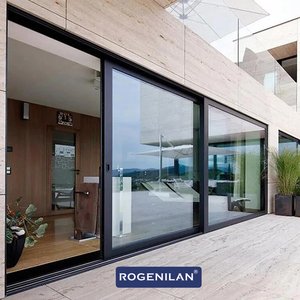
Heavy Duty Double Glazed Sliding & Lift-Slide Doors
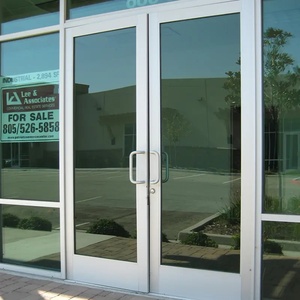
Commercial Glass Front Security & Retail Entry Systems
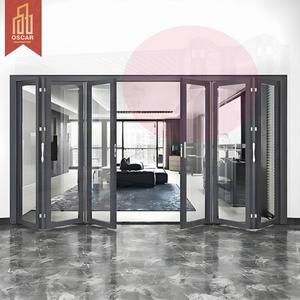
Sound-Insulating Accordion Folding Doors for Space Saving
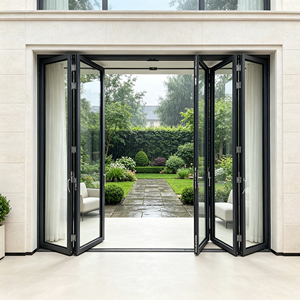
Hurricane Impact Double Glazed Aluminum Bi-Fold Doors
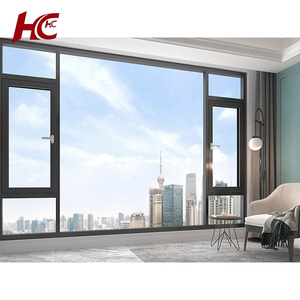
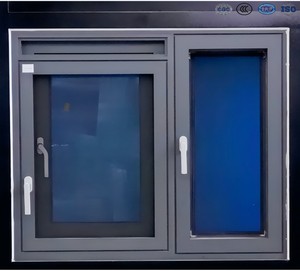
Custom Hurricane Impact Soundproof Aluminum Casement Windows
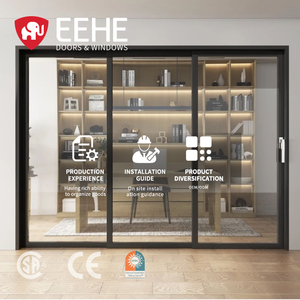
CSA Certified Cold Region Exterior Aluminum Sliding Glass Doors
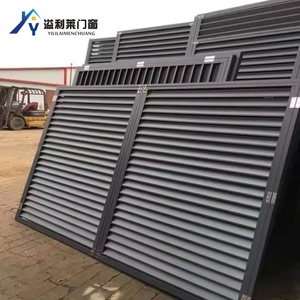
Anti-Theft Aluminum Louver Shutter Windows & Security Doors
Architectural Engineering of High-Performance Aluminum Storm Systems
Technical analysis on structural integrity, severe weather defense, and life-cycle cost optimization for B2B global specifiers.
In modern architectural design and large-scale commercial development, the exterior building envelope must balance extreme structural resilience with thermal efficiency and aesthetic elegance. As climate patterns intensify worldwide—bringing frequent high-velocity hurricane winds, torrential rains, and severe temperature fluctuations—the specification of secondary defense systems like primary and secondary aluminum storm windows has evolved from an optional upgrade to a mandatory engineering requirement. Commercial developers, facade engineers, and institutional procurement directors require window and door systems capable of exceeding rigorous ASTM, NFRC, and AAMA performance benchmarks without compromising natural interior lighting or architectural vision.
Key Engineering Insight: Premium aluminum storm window extrusions utilizing 6063-T6 structural alloy combined with multi-chamber polyamide thermal breaks achieve up to 50% higher air-tightness and structural wind-load pressure resistance (DP60–DP100) compared to unreinforced secondary glazing or standard uPVC alternatives.
At Vela Modern Windows & Doors Industrial Ltd., we engineer custom architectural aluminum window and door systems built to withstand the harshest regional climates across coastal North America, Northern Europe, and extreme atmospheric zones worldwide. By manufacturing factory-direct, we eliminate intermediary distributor markups while enforcing an uncompromising 26-step production control methodology backed by 4 rigorous quality control check-points.
6063-T6 Structural Metallurgy
High-tensile aluminum extrusions providing superior strength-to-weight ratios, resisting deflection under extreme wind pressure without expanding or warping.
Polyamide PA66 Thermal Breaks
24mm to 34mm reinforced nylon insulation strips interrupting thermal conductivity, eliminating condensation and substantially dropping U-factors.
Acoustic & Impact Glazing
Laminated SGP/PVB safety glass configurations providing up to STC 45 acoustic isolation and missile-impact safety certification.
Enterprise Manufacturing Excellence
Vela Industrial Ltd. combines automated CNC Swiss precision with specialized hand craftsmanship to engineer storm window systems that set global benchmarks.
26
Precision Steps
4
Quality Audits
50%
Max Cost Savings
AAMA
Certified Standards
By partnering directly with our manufacturing facilities, global procurement officers and architectural firms eliminate speculative markup tiers from distributors. Every unit—from slim-line casements to heavy-duty lift-and-slide glass walls—is customized according to exact building schedules, structural opening limits, and regional compliance mandates.
Future Procurement Trends in Industrial & Commercial Glazing (2025–2030)
Navigating regulatory shifts, carbon compliance, and resilient structural specifications in global B2B procurement.
The commercial fenestration industry is undergoing a structural transformation driven by tightening global energy codes, climate adaptation mandates, and supply-chain digitization. B2B buyers must align their procurement strategies with four macro trends shaping the market over the next decade:
1. Mandatory Net-Zero & Decarbonized Aluminum Sourcing
Government climate mandates—such as the EU's Carbon Border Adjustment Mechanism (CBAM) and North American local building performance standards (e.g., NYC Local Law 97)—are holding developers directly accountable for embodied carbon in building facades. Future procurement contracts prioritize aluminum manufacturers utilizing hydroelectric smelting and recycled aluminum content, dramatically lowering carbon footprints without sacrificing structural purity.
2. Extreme Weather & Severe Wind-Load Resilience
As hurricane impact zones expand inland due to shifting climate dynamics, municipalities are upgrading building codes to demand higher Design Pressure (DP) ratings and large-missile impact testing (ASTM E1886/E1996). Commercial procurement officers now mandate impact-resistant storm glazing across multi-family residential, hospitality, and healthcare infrastructure, reducing property loss risks and lowering building insurance premiums.
3. Direct-to-Factory (D2F) Supply Chain Disintermediation
Traditional multi-tiered distribution channels introduce cost inflation (30% to 50%), fragmented communication, and extended delivery delays. Strategic project developers are pivoting toward direct factory integration. Direct technical engagement with engineering teams ensures seamless BIM/CAD shop drawing approvals, customized color anodizing matching, and direct-to-site containerized freight tracking.
4. High-Acoustic Isolation for Urban Density
Rapid urban intensification has elevated acoustic comfort to a key asset differentiator in commercial and luxury residential real estate. High-performance aluminum storm windows with asymmetrical laminated glass thickness (e.g., 6mm + 1.52PVB + 8mm) effectively damp low-frequency traffic noise, targeting Sound Transmission Class (STC) ratings above 42 dB.
Technical Performance Matrix: Frame Material Comparison
Objective engineering evaluation for early-stage architectural specification and materials selection.
| Performance Criterion | Thermally Broken Aluminum (Vela) | Vinyl / uPVC Systems | Traditional Timber Frames |
|---|---|---|---|
| Structural Integrity & Max Span | Exceptional (DP60 - DP100 capacity) | Moderate (Requires steel inserts) | High (Heavy structural sections) |
| Sightline Slimness (Glass Ratio) | Ultra-Slim (Maximizes interior light) | Wide / Bulky profiles | Moderate to Wide profiles |
| Hurricane Impact Resistance | Certified ASTM E1886/E1996 | Limited impact capabilities | Custom reinforced (High cost) |
| Thermal Insulation (U-Factor) | Down to 0.18 BTU/hr·ft²·°F (PA66) | Down to 0.20 BTU/hr·ft²·°F | Down to 0.22 BTU/hr·ft²·°F |
| Corrosion & Coastal Durability | 3000-hr Salt Spray PVDF Finish | Chalks under strong UV rays | Requires painting & re-sealing |
| Life Expectancy | 40+ Years (Low Maintenance) | 15 - 20 Years (Degrades in heat) | 25+ Years (Requires maintenance) |
Engineering & Product Development Trends in Aluminum Storm Systems
Innovations driving modern fenestration functionality, thermal barrier breaks, and architectural aesthetics.
Research and development in aluminum storm glazing focuses on pushing the physical boundaries of transparency while strengthening structural protection against natural hazards. Vela's engineering matrix prioritizes three core development vectors:
1. Minimalist Sightlines with High Inertia
By recalculating moment of inertia ($I_x$ and $I_y$) across structural mullions, engineers achieve ultra-narrow interlockers (as slim as 20mm) capable of supporting 4-meter tall glass panels against severe wind pressures.
2. Advanced Surface Finishes & Fluoropolymer Coatings
Application of 3-coat Kynar 500 / PVDF resin fluoropolymer finishes ensures colors retain brilliance under severe coastal salt spray and intense UV radiation, compliant with AAMA 2605 strict specifications.
3. Multi-Point Concealed Locking Mechanisms
Integrating stainless steel multi-point perimeter locking hardware increases shear anti-burglary defense (RC2/RC3 rated) while pressing EPDM weather gaskets uniformly to achieve total water-tightness under driving rain.
Frequently Asked Questions (B2B Procurement & Engineering)
Detailed answers to crucial commercial questions regarding manufacturing capability, compliance, and custom engineering support.
Does Vela Modern Windows & Doors manufacture systems directly, or act as an intermediary trader?
Vela Modern Windows & Doors Industrial Ltd. is a direct end-to-end manufacturer. Every order undergoes custom engineering, CNC aluminum machining, thermal strip insertion, glass unit assembly, and protective packing inside our direct factory facilities. Buyers deal directly with our engineering and project logistics teams, eliminating middleman layers.
How much can project developers save by utilizing factory-direct procurement?
By eliminating local dealer markups, regional distributor commissions, and third-party warehousing fees, commercial project buyers typically reduce unit procurement costs by 30% to 50%. These savings allow developers to upgrade glass specifications (e.g., moving from standard double-glazed to triple-glazed Low-E or SGP hurricane glass) within their original budget allocation.
What international testing standards and structural certifications do Vela systems comply with?
Our architectural aluminum window and door systems are engineered for NFRC (National Fenestration Rating Council), AAMA (American Architectural Manufacturers Association), and CSA (Canadian Standards Association) performance metrics. Systems can be configured to satisfy severe wind pressure, air infiltration, water resistance, and impact testing protocols (ASTM E1886/E1996 and Florida Building Code TAS protocols).
Can custom dimensions, arched shapes, and oversized glass panels be engineered?
Yes. Every architectural unit is manufactured to order according to project-specific CAD/BIM shop drawings. We specialize in oversized panoramic sliding doors, massive fixed picture windows, bi-folding patio walls, arched casements, and specialized commercial front doors designed for high-traffic retail or hotel applications.
Why is thermal break aluminum superior to traditional non-thermal aluminum in storm regions?
Standard aluminum is a highly conductive metal that transfers heat rapidly. Thermally broken aluminum incorporates a structural polyamide (PA66 GF25) strip between the interior and exterior extrusions. This thermal barrier blocks conductive heat transfer, preventing condensation buildup in humid climates, keeping interiors insulated, and dramatically lowering HVAC energy loads in extreme hot or cold zones.
What documentation is required to receive a comprehensive factory quotation and technical proposal?
To generate an accurate engineering quotation, our team requires architectural elevations or a detailed window and door schedule indicating opening dimensions, preferred operating styles (casement, sliding, bifold, fixed), glass performance criteria (double/triple glazing, tint, Low-E coating, impact requirement), surface finish preference (RAL powder coat, anodized, PVDF), and project site location.
Accelerate Your Project Specification Today
Work directly with our engineering department to secure factory pricing, detailed shop drawings, and certified storm-defense performance for your upcoming development.