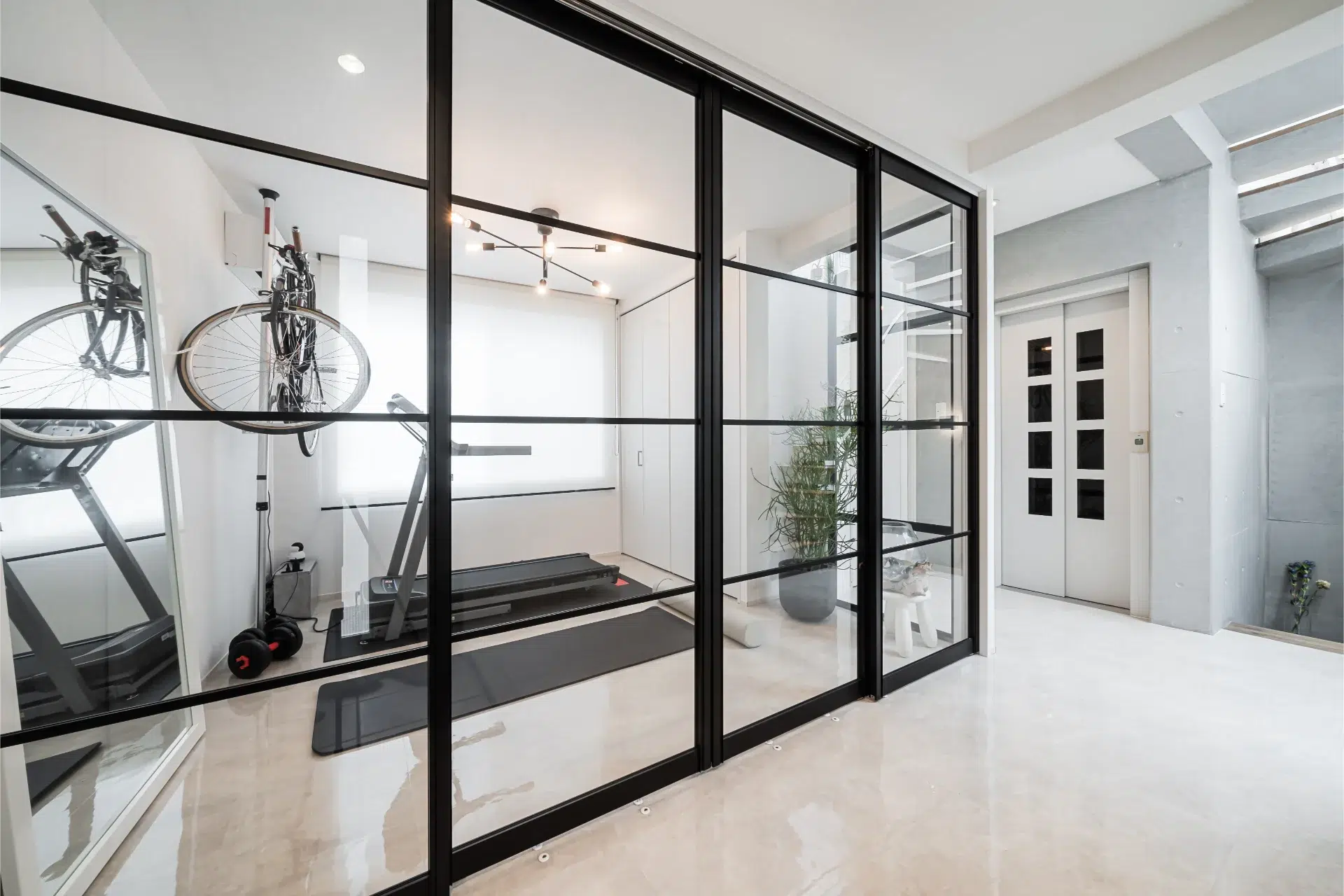
Featured Architectural Aluminum Window Systems
Explore our factory-engineered window systems designed for extreme weather resilience, structural integrity, and maximum thermal efficiency across international project developments.
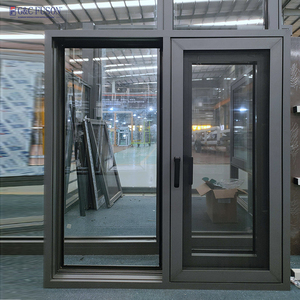
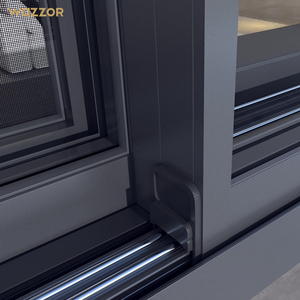
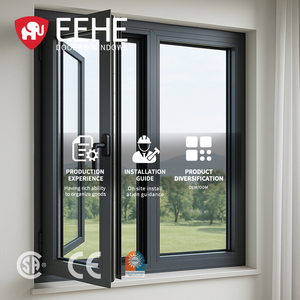
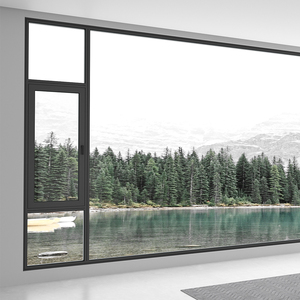
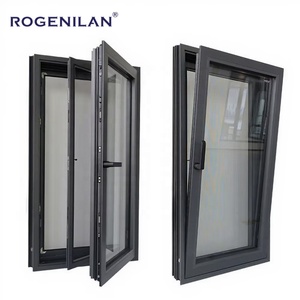
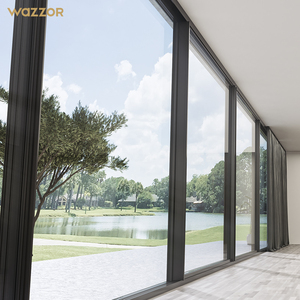
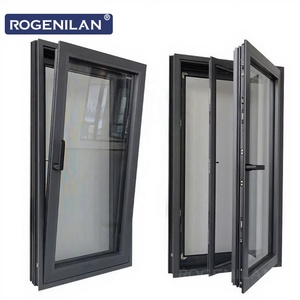
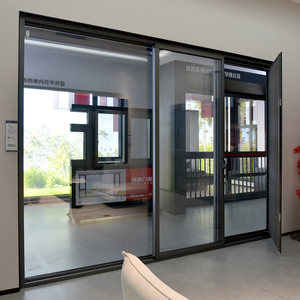
Executive Overview: Direct Factory Engineering & Cost Optimization
In the evolving landscape of global architectural development, specifyingfenestration systems requires an optimal balance between structural safety, energy conservation, aesthetic versatility, and supply chain efficiency. Modern real estate developers, commercial architects, and facade engineering consultants are increasingly bypassing intermediary distribution channels to partner directly with premier aluminum window factories.
At Vela Modern Windows & Doors Industrial Ltd., we operate as a full-scale direct manufacturer, unifying technical design, extrusion processing, thermal break integration, precision CNC machining, double/triple glazing unit assembly, and international logistics execution under one centralized quality framework. By managing every node of our production ecosystem, we eliminate the substantial price inflation traditionally added by regional dealers, brokers, and multi-tier distributors—delivering direct cost reductions of up to 50% without sacrificing mechanical tolerance or component quality.
Direct Factory Accountability
Bypassing multi-tier dealership structures ensures direct communication between project architects and structural engineers. From CAD drawing verification to custom hardware specification, every technical request is executed directly at the source.
26-Step Production Quality Assurance
Every single frame, thermal break strip, sash joinery, and insulated glass unit undergoes a rigid 26-step production standard backed by 4 dedicated quality inspection checkpoints before export container loading.
Global Structural Compliance
Engineered to meet and exceed North American NFRC thermal performance ratings, AAMA structural impact standards, European CE energy directives, and Australian AS2047 high-velocity coastal pressure requirements.
Material Science & Engineering Specifications
The structural life and thermal efficiency of modern aluminum fenestration depend on advanced material choices and precision metal working. Standard aluminum extrusions possess high thermal conductivity ($k \approx 200 \text{ W/m}\cdot\text{K}$), which historically led to internal condensation and excessive building heat transfer. Modern technical advancements have transformed high-performance aluminum frames into leading energy-efficient building envelopes.
1. Polyamide Thermal Break Insulation (PA66 GF25)
To break the thermal bridge within high-grade extruded aluminum profiles, our systems employ structural polyamide thermal break strips engineered with 25% glass fiber reinforcement (PA66 GF25). These precision-crimped strips create a durable, non-conductive mechanical barrier between the outer and inner aluminum profile chambers, matching the expansion coefficient of the metal structure while drastically lowering overall system U-factors.
2. Alloy Selection: 6063-T5 vs. 6063-T6 Structural Profile Standard
We utilize prime 6063 architectural aluminum alloy extrusions subjected to artificial age hardening (T5 or T6 tempers). Profiles engineered with a minimum wall thickness ranging from 1.4mm to 2.0mm ensure exceptional resistance to wind loads, deadweight deflections of heavy triple-glazed panels, and long-term cyclic mechanical stress in high-rise and coastal installations.
3. Advanced Surface Treatments & Environmental Protection
Corrosion mitigation and color stability are maintained through premium surface treatment technologies tailored for high humidity, severe coastal salinity, and aggressive UV exposure:
- Fluorocarbon PVDF Coatings: Kynar 500 / Hylar 5000 resin-based coatings providing superior weatherability, chemical inertia, and zero fading over decades of harsh solar radiation.
- Anodizing Finish (Class I & Class II): An electrochemical process creating an integral aluminum oxide layer that cannot peel or flake, engineered for high-impact commercial applications.
- Electrostatic Powder Coating: Architectural-grade QUALICOAT certified polyester finishes delivering smooth, scratch-resistant tactile surfaces in unlimited custom RAL colors.
- Sublimation Wood Grain Transfer: Advanced heat-transfer technology offering the organic aesthetic warmth of natural timber combined with the fireproof durability of structural aluminum.
Structural & Thermal Performance Benchmark
| Performance Metric | Thermally Broken Aluminum System | Standard Non-Thermal Aluminum | uPVC Plastic Profiling | Natural Timber Framing |
|---|---|---|---|---|
| Thermal Insulation (U-Value) | 0.18 – 0.28 BTU/hr·ft²·°F (High) | 0.60 – 0.90 BTU/hr·ft²·°F (Poor) | 0.20 – 0.30 BTU/hr·ft²·°F (Good) | 0.22 – 0.32 BTU/hr·ft²·°F (Good) |
| Frame Sightline Thickness | Ultra-Slim Profile (Minimalist) | Ultra-Slim Profile | Bulky & Thick Profiles | Moderate to Heavy Profile |
| Large-Span Panel Capacity | Exceptional (Heavy Glass Panels) | High Structural Capacity | Low (Warping Risk under Weight) | Moderate (Prone to Sagging) |
| Structural Deflection & Wind Resistance | Up to 5000 Pa (Hurricane Grade) | Up to 3500 Pa | 1500 – 2500 Pa | 2000 – 3000 Pa |
| Maintenance & Lifecycle | 30+ Years / Zero Maintenance | 25+ Years / Minimal Maintenance | 10-15 Years (Degrades under UV) | High Maintenance (Repainting/Sealing) |
| Fire Resistance Rating | Class A Non-Combustible | Class A Non-Combustible | Combustible / Toxic Fumes | Combustible (Unless Treated) |
B2B Procurement Trends & Future Development Trajectory
As global architectural design transitions toward net-zero building envelopes, extreme weather preparedness, and expansive glass sightlines, the requirements for commercial fenestration procurement are shifting rapidly. Industry decision-makers are adopting modern sourcing strategies focused on long-term lifecycle performance, digital carbon tracking, and custom engineering adaptability.
1. Ultra-Narrow Profiles & Invisible Sightlines
Modern architectural design prioritizes maximizing interior natural light while eliminating visible structural framing. Direct factory manufacturers are engineering concealed frame sliding doors and narrow-mullion casement systems where structural load is shifted to reinforced internal steel elements and structural silicone bonding, allowing edge-to-edge floor-to-ceiling glass expanses.
2. Passive House & Extreme Low U-Values
With international energy codes mandating continuous building envelope efficiency, thermal breaks are expanding from single-strip designs to multi-chambered insulation matrices incorporating aero-gel inserts and argon-filled, Low-E, triple-glazed Insulated Glass Units (IGUs). The market demand for U-factors under 0.20 BTU/hr·ft²·°F is now standard across North American and European developments.
3. Automated Smart Fenestration & Micro-Ventilation
Commercial luxury developments are increasingly specifying motorized sliding panels, automated tilt-and-turn actuator hardware, integrated magnetic insect screens, and smart home sensor integration. Micro-ventilation lock mechanisms allow controlled air exchange without compromising building security or rain defense.
4. High-Velocity Hurricane & Impact Resilience
Climate volatility has accelerated requirements for verified hurricane-impact fenestration beyond coastal regions. Modern aluminum window systems incorporate multi-layer PVB and SGP (SentryGlas®) laminated safety glass capable of withstanding missile impacts and continuous cyclic pressure differentials exceeding 5000 Pascals.
5. Factory-Direct Sourcing & BIM Integration
Developers are eliminating intermediate supply chain layers to source directly from verified manufacturing facilities capable of delivering complete Building Information Modeling (BIM) files, shop drawings, custom extrusion dies, and standardized international testing reports early in the design stage.
6. Sustainable Metallurgy & Circular Economics
Recycled aluminum billet integration and low-carbon manufacturing processes are becoming essential criteria in green building certifications such as LEED and BREEAM. Aluminum’s infinite recyclability without structural property degradation positioning it as the ultimate sustainable building material.
Manufacturing Excellence: The 26-Step Production Protocol
Delivering high-performance architectural systems requires absolute repeatability across every production run. Our centralized factory facility utilizes fully automated German and Italian CNC cutting, corner-crimping, and milling equipment to maintain dimensional tolerances within ±0.5mm.
Integrated Quality Control Lifecycle
Every window unit engineered at our plant passes through four mandatory quality control gates before export packaging:
- Raw Material Verification: Chemical composition testing of raw aluminum billets, wall thickness measurement of extrusions, and adhesion testing of thermal break polyamide strips upon delivery.
- CNC Machining & Assembly Inspection: Optical laser alignment checks during profile cutting, drainage slot milling, hardware pocket routing, and mechanical corner-crimping corner joints.
- Glazing Seal & Hardware Testing: Verification of double-structural silicone sealant bonds, EPDM gasket compression fit, argon gas fill concentration within IGUs, and mechanical smooth-operation testing of hinges, rollers, and multi-point locking gear.
- Pre-Shipment Protective Packaging: Full surface application of protective film, corner guard caps, moisture-absorbent wrapping, and reinforced heat-treated wooden crate packing designed for transatlantic ocean container transport.
B2B Fenestration Procurement FAQ
Clear responses to common technical, commercial, and logistical inquiries raised by project developers, architects, and procurement managers when sourcing factory-direct aluminum windows.
Do you manufacture the aluminum window systems directly in your own plant?
What are the cost benefits of purchasing aluminum windows factory-direct versus regional dealers?
Are your window and door products certified for international building codes?
Can your factory accommodate custom architectural profiles, arched shapes, and oversized units?
Why is aluminum preferred over uPVC or timber framing for coastal and extreme climates?
What hardware brands and multi-point locking systems are integrated into your windows?
What glass configurations are available for optimal thermal and sound insulation?
How do you support project developers during the design and shop-drawing phase?
What are the typical factory lead times and export ocean freight arrangements?
Partner Directly With a Premier Aluminum Window Manufacturer
Streamline your building envelope supply chain, secure certified high-performance window systems, and reduce your procurement costs. Contact our engineering team today for project quotes, CAD detailing, or factory audits.
Contact Us