Thermal Isolation Engineering
Integrating PA66 GF25 fiberglass-reinforced polyamide struts disrupts heat flow, bringing thermal conductivity down from raw aluminum levels to low U-factors capable of meeting Passive House and NFRC energy benchmarks.
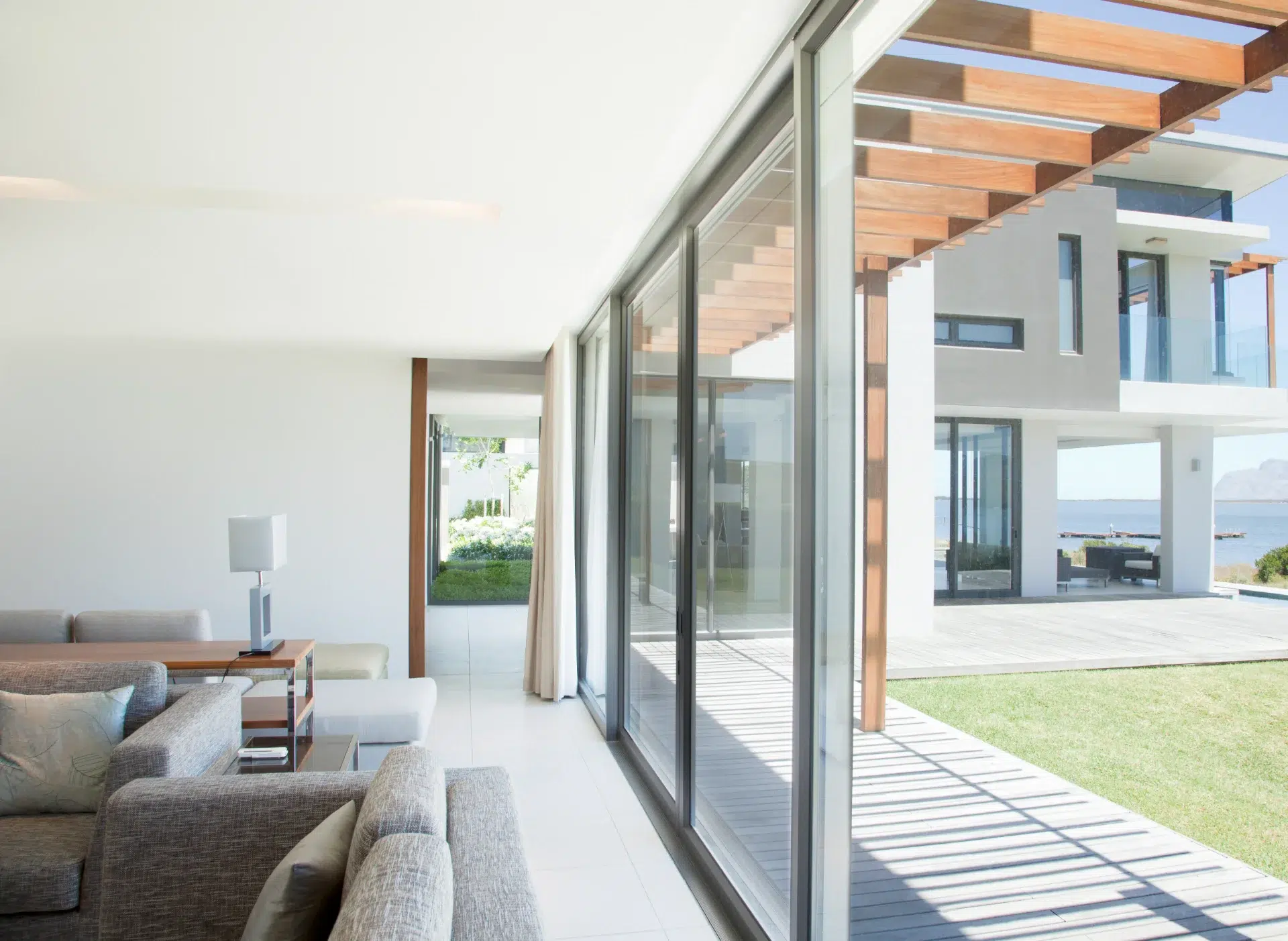
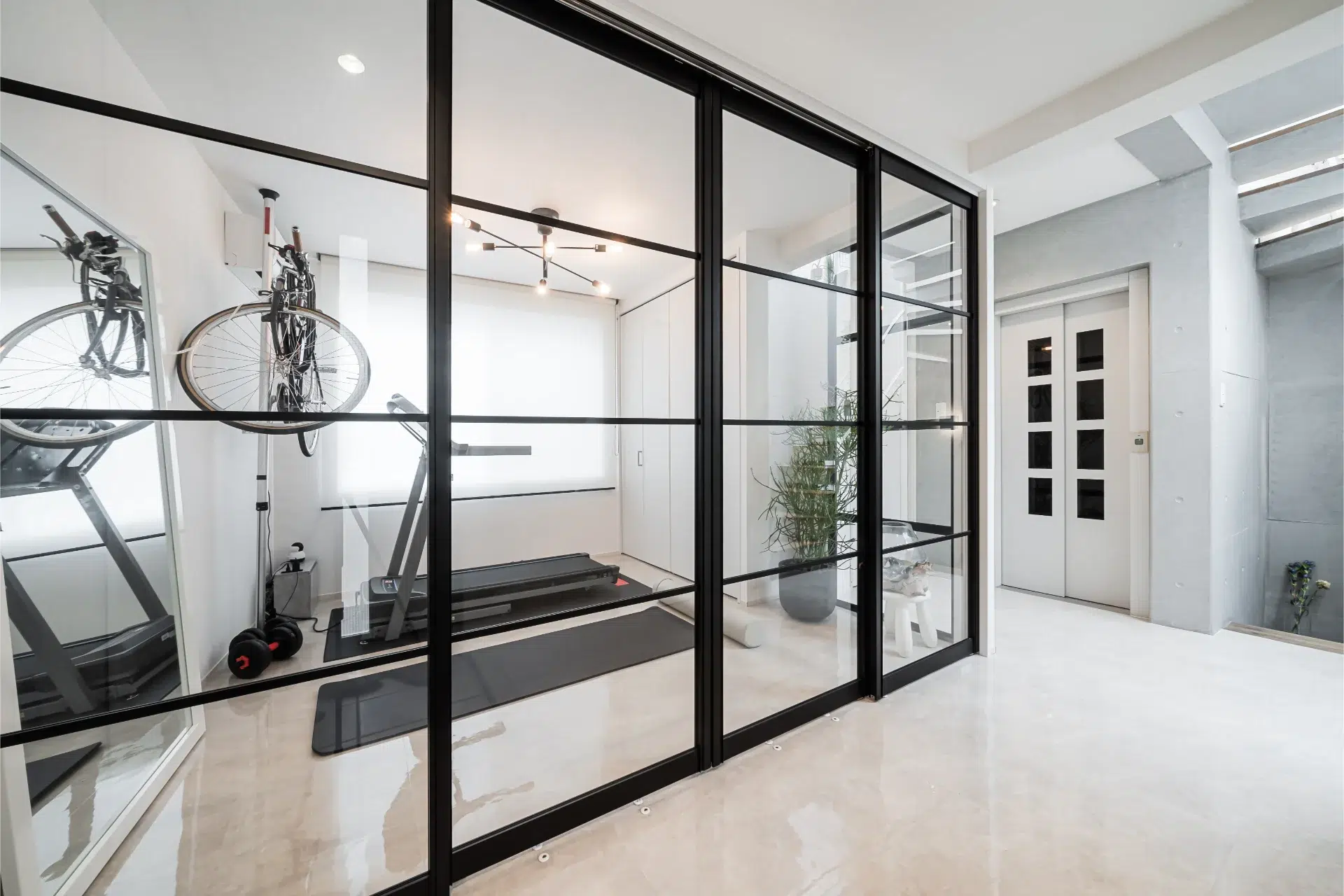
How global procurement directors, architects, and developers eliminate thermal bridging, comply with strict energy codes, and save up to 50% via direct manufacturing.
In modern architectural fenestration, energy-efficient aluminum frames represent the ideal synergy between structural load capacity, slim visual sightlines, and uncompromising thermal barrier engineering. Historically criticized for raw thermal conductivity, aluminum has undergone a complete technical revolution at Vela Modern Windows & Doors Industrial Ltd. through multi-chamber polyamide thermal breaks, precision knurled crimping, and integrated triple-sealed air barriers.
Integrating PA66 GF25 fiberglass-reinforced polyamide struts disrupts heat flow, bringing thermal conductivity down from raw aluminum levels to low U-factors capable of meeting Passive House and NFRC energy benchmarks.
By eliminating intermediate brokers, importers, and regional dealer tiers, commercial buyers save up to 50% on landed fenestration costs, unlocking capital for advanced triple-glazing or smart BIPV glass integrations.
Our custom energy-efficient aluminum frames are meticulously engineered for NFRC thermal ratings, AAMA structural pressures, and high-velocity hurricane zone (HVHZ) impact resistance for global project approvals.
Every energy-efficient aluminum frame manufactured by Vela Modern Windows & Doors Industrial Ltd. passes through a rigid 26-step fabrication matrix. From architectural-grade 6063-T5 profile extrusion and automated knurling to PA66 strut insertion and hydraulic corner joining, our production process guarantees structural alignment and zero thermal bridge leakage.
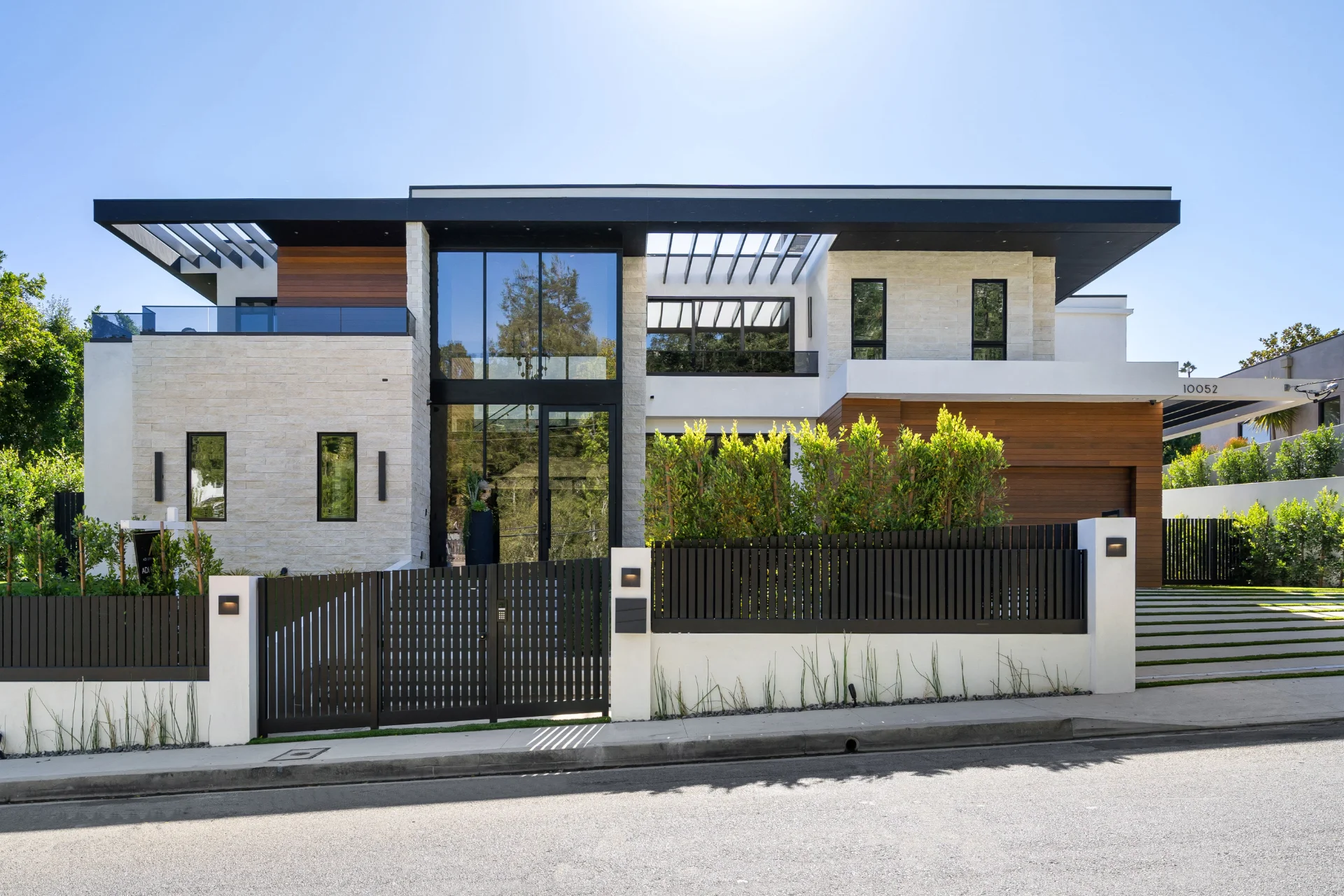
An engineering benchmark overview evaluating framing performance across structural, energy, and commercial procurement dimensions.
| Performance Criteria | Vela Energy-Efficient Aluminum Frames | Standard Unbroken Aluminum Profiles | uPVC / Vinyl Framing | Architectural Solid Timber |
|---|---|---|---|---|
| Frame U-Factor Range (W/m²K) | 1.2 – 1.8 (Low Transmittance) | 5.0 – 7.2 (High Thermal Loss) | 1.3 – 2.0 (Moderate) | 1.4 – 2.1 (Moderate) |
| Structural Load / Span Ability | Superior (Supports Oversized Glass) | Superior (Unbroken) | Low (Requires Steel Inserts) | Moderate (Subject to Creep) |
| Thermal Expansion Coefficient | 23 × 10⁻⁶ / K (Stable Profile) | 23 × 10⁻⁶ / K | 50-80 × 10⁻⁶ / K (High Distortion) | Hygroscopic Expansion / Rot |
| Air & Water Seal Integrity | Triple EPDM Gasket System | Single/Double Brush Seals | Welded Vinyl Joints | Sealant Dependent |
| Flame & Fire Resistance | Non-combustible (Class A1) | Non-combustible | Combustible / Toxic Fumes | Combustible (Requires Treatment) |
| Service Life Expectancy | 50+ Years (PVDF Coated) | 40+ Years | 15–25 Years (UV Degradation) | 20–30 Years (Requires Painting) |
*Data compiled from NFRC 100/200 simulations and factory laboratory test reports by Vela Modern Windows & Doors Industrial Ltd.
Select from our architectural product portfolio, engineered for climate resiliency, structural slimness, and maximum solar control.
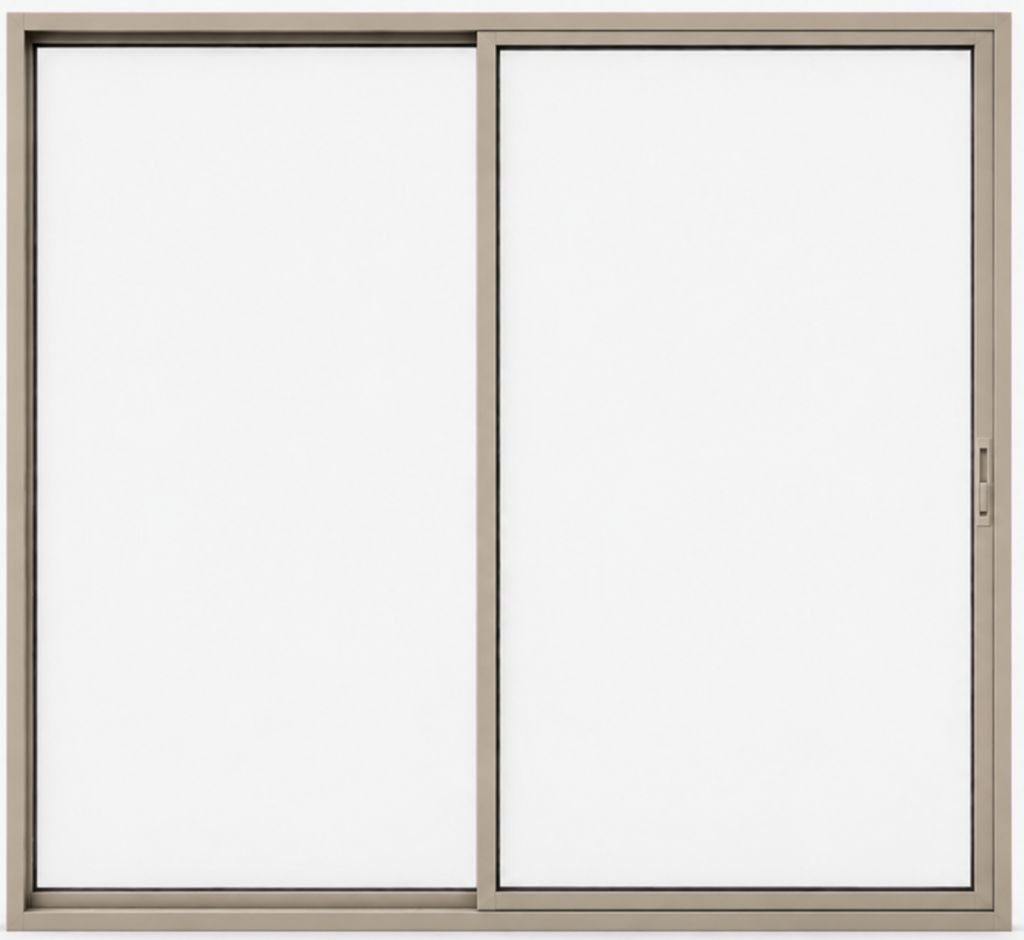
Engineered with energy-efficient aluminum frames and dual-track polyamide barriers for low air infiltration and smooth glide.
System Details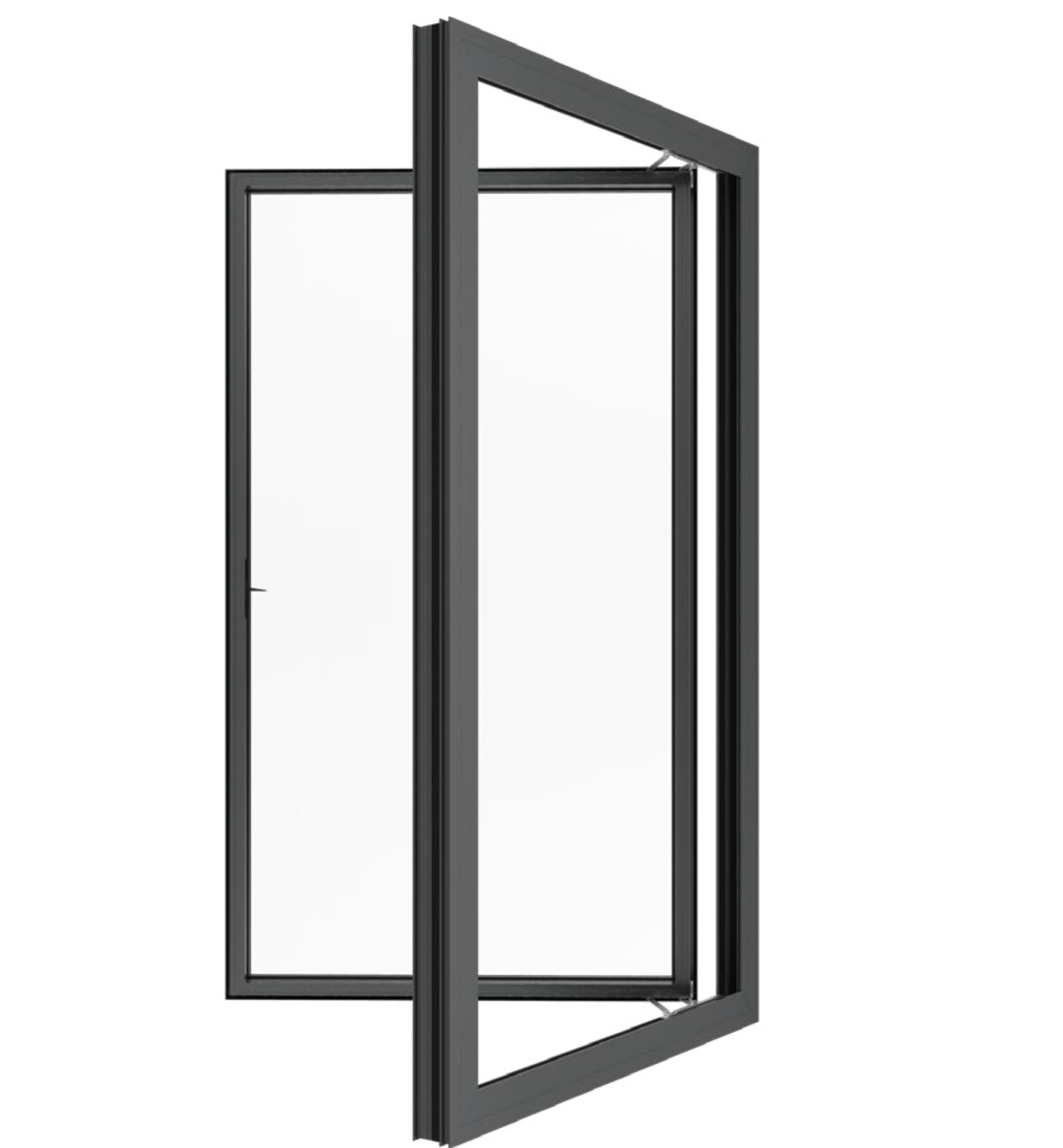
Compression sealing and multi-chamber thermal breaks deliver air tightness down to 0.05 cfm/ft² for strict regional energy codes.
System Details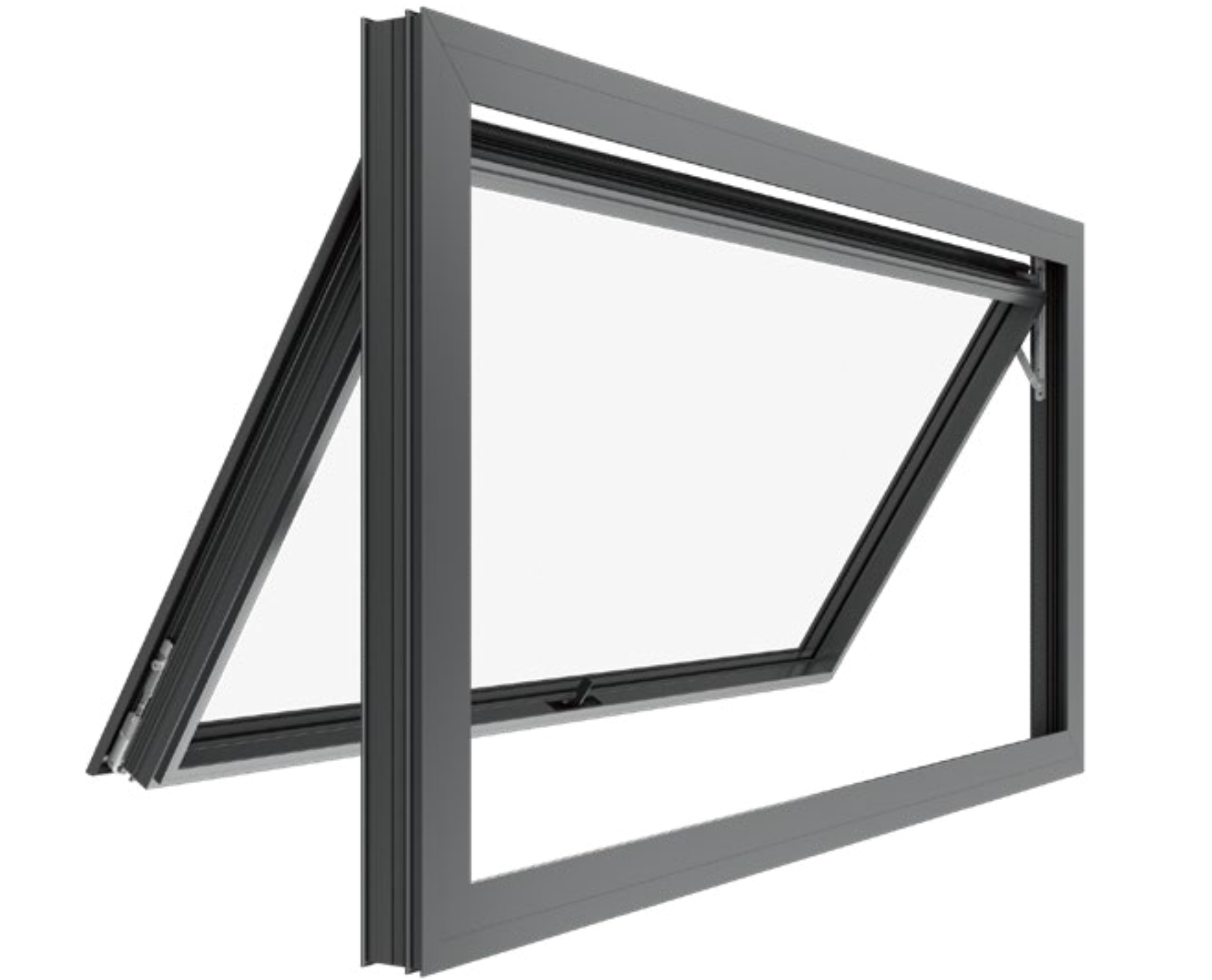
Top-hinged awning frames incorporating thermal isolators to provide rain-proof ventilation with minimal operational heat loss.
System Details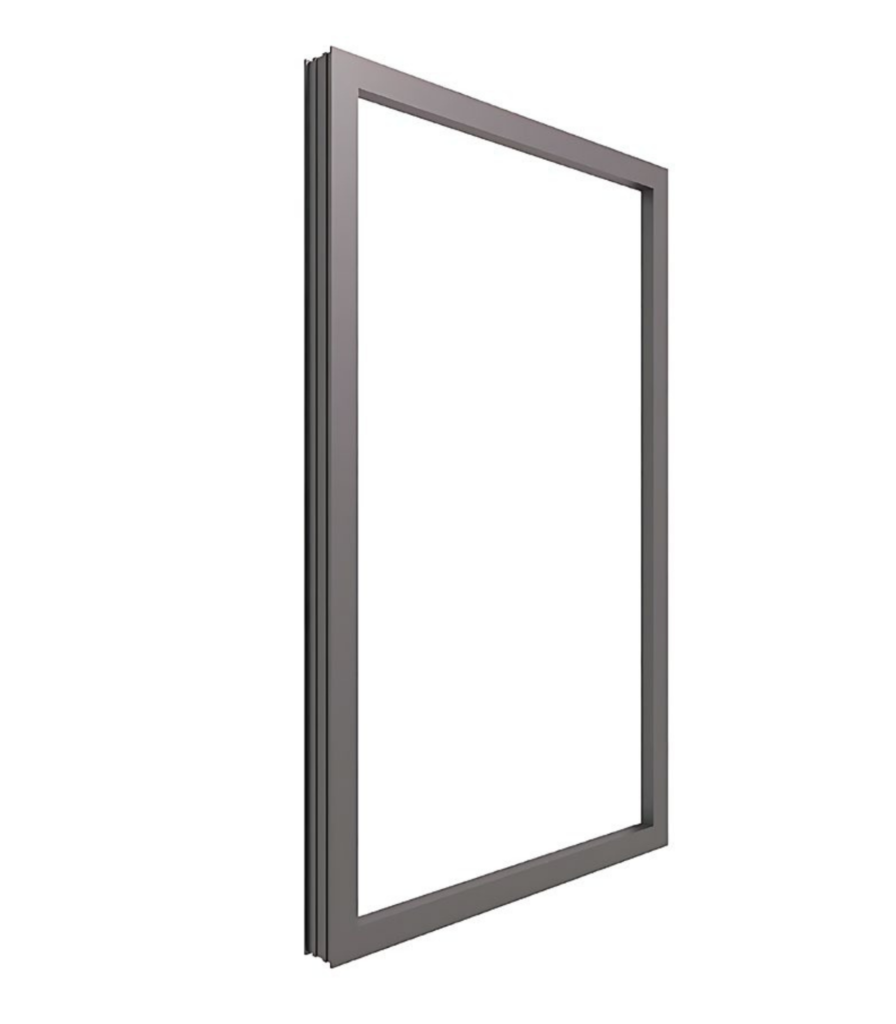
Maximizes clear opening light transmission while maintaining a robust thermal perimeter for high-rise or luxury applications.
System Details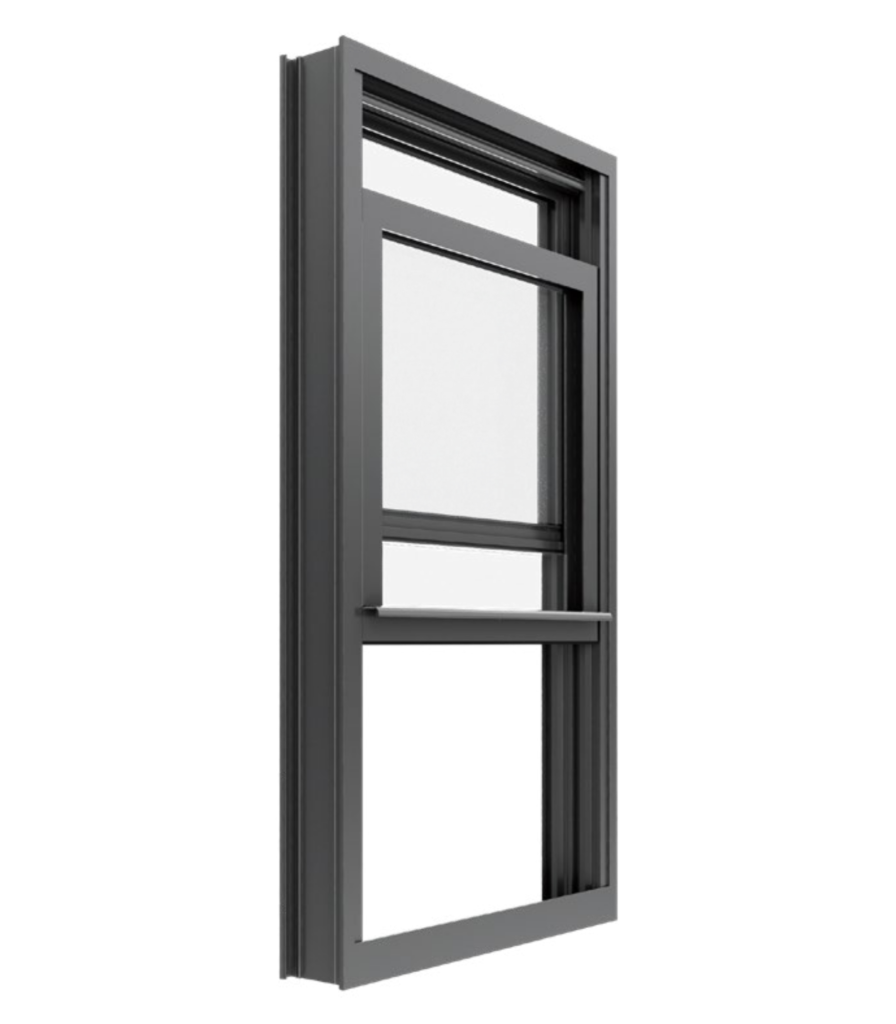
Combines traditional vertical sash aesthetics with heavy-duty energy-efficient aluminum frames and modern tilt-in cleaning.
System Details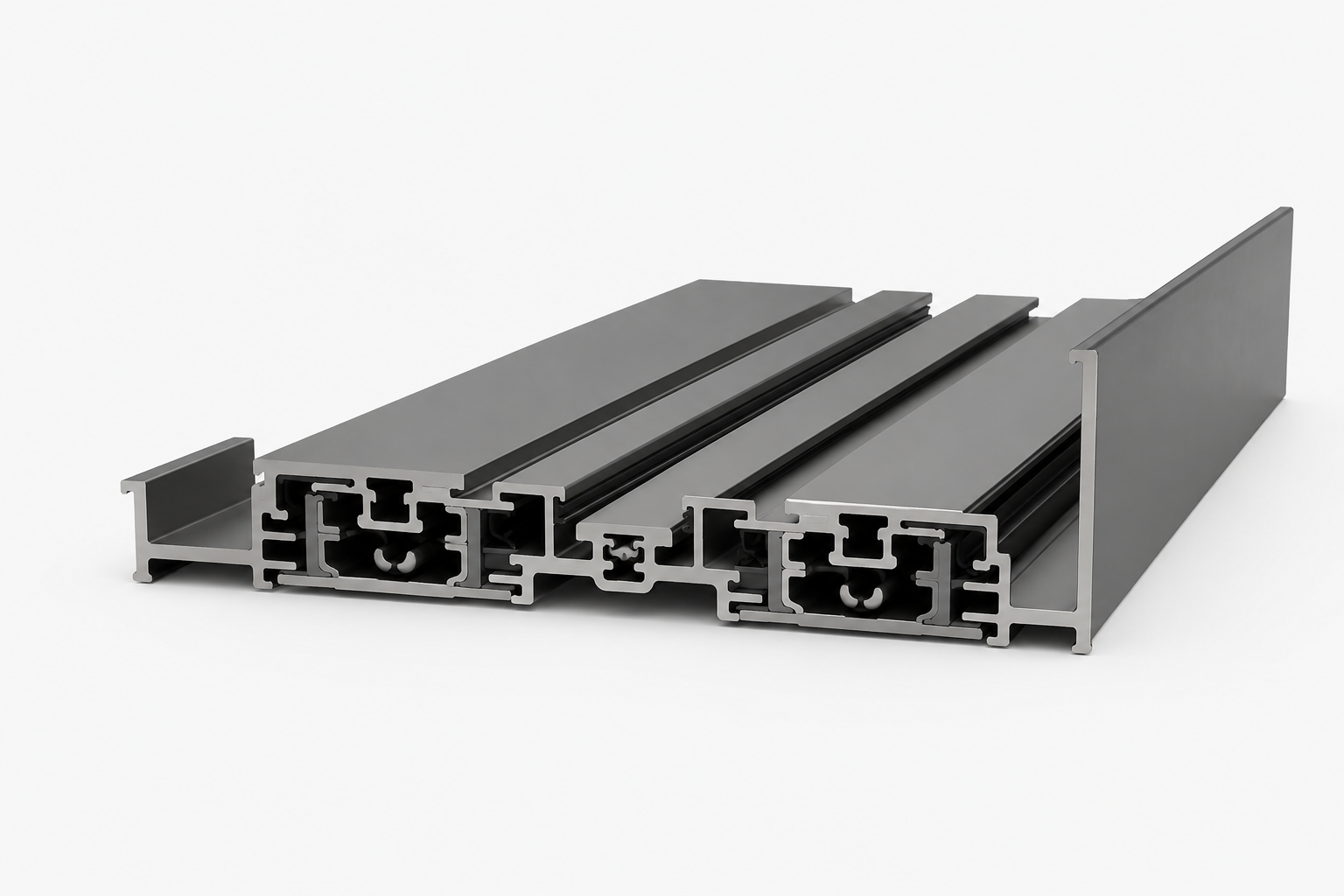
Concealed drain tracks and deep polyamide struts frame ultra-large glass spans while curbing thermal transfer in hot or cold climates.
System Details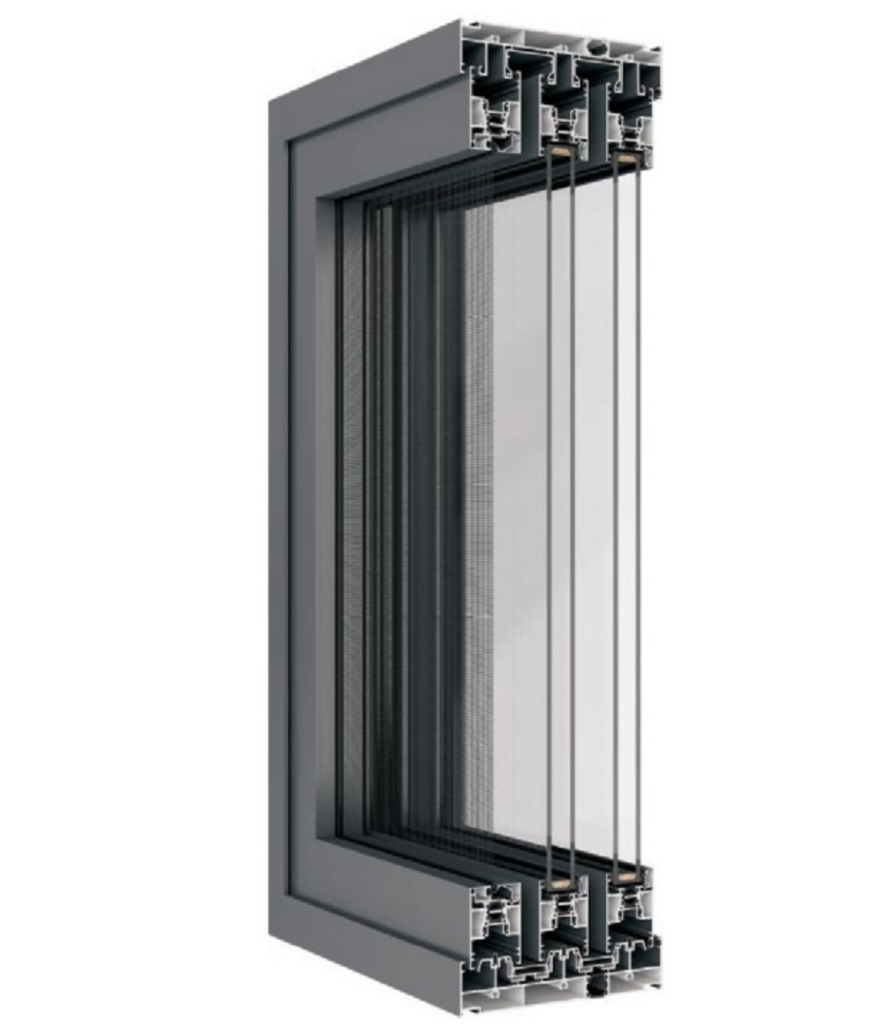
Supports panel weights up to 450kg with structural thermal framing engineered for high wind zones and thermal endurance.
System Details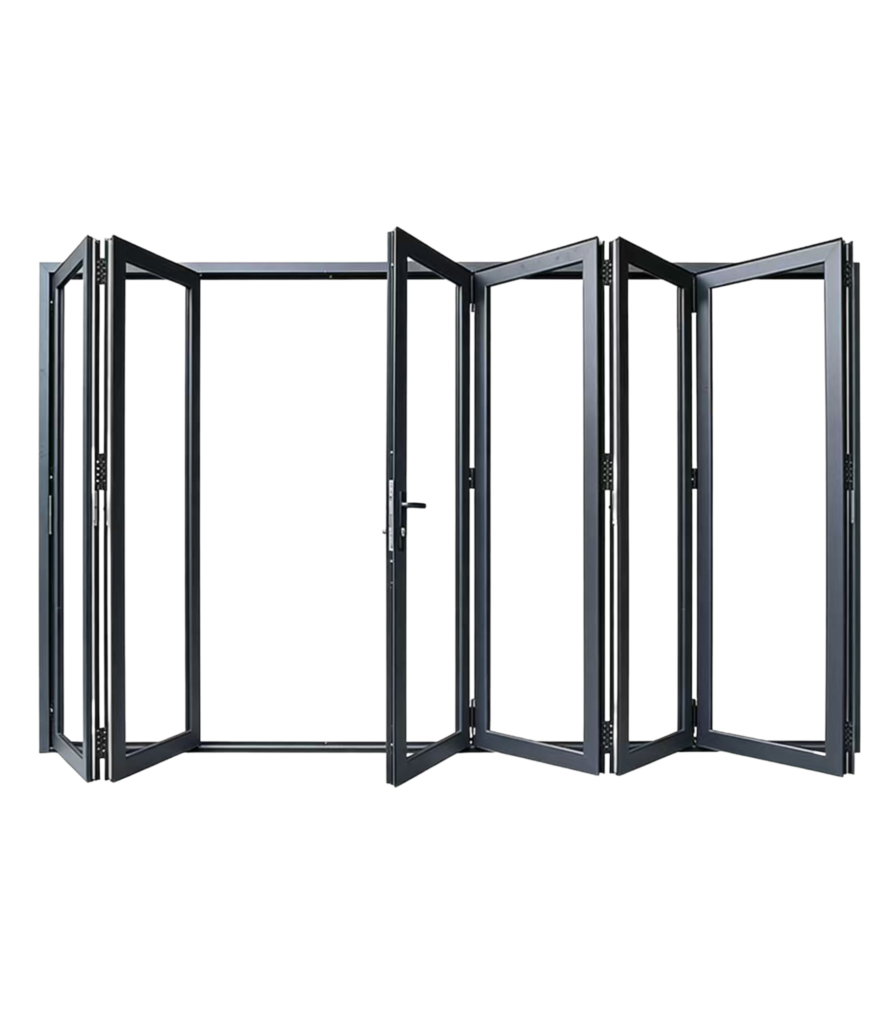
Multi-leaf folding systems with continuous EPDM thermal sealing along all hinge interlocks to eliminate drafts.
System Details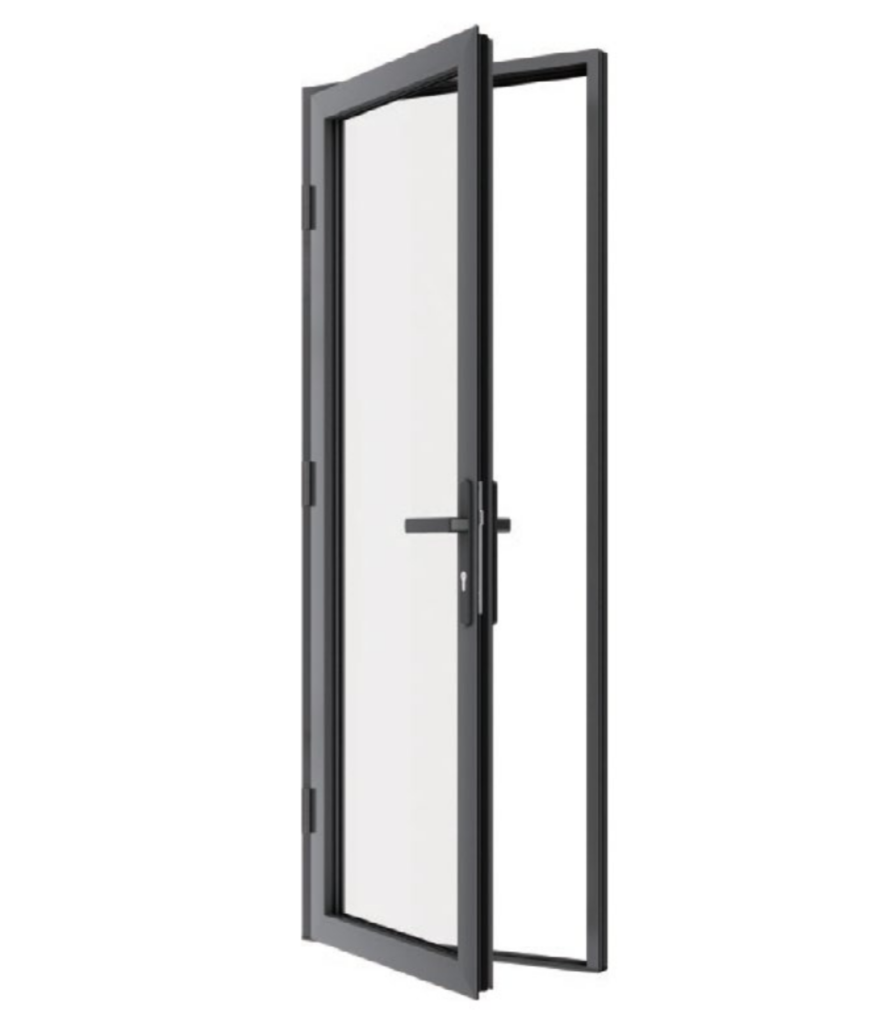
Heavy-gauge aluminum profiles paired with multi-point drop-down seals for weather-tight residential or commercial entries.
System Details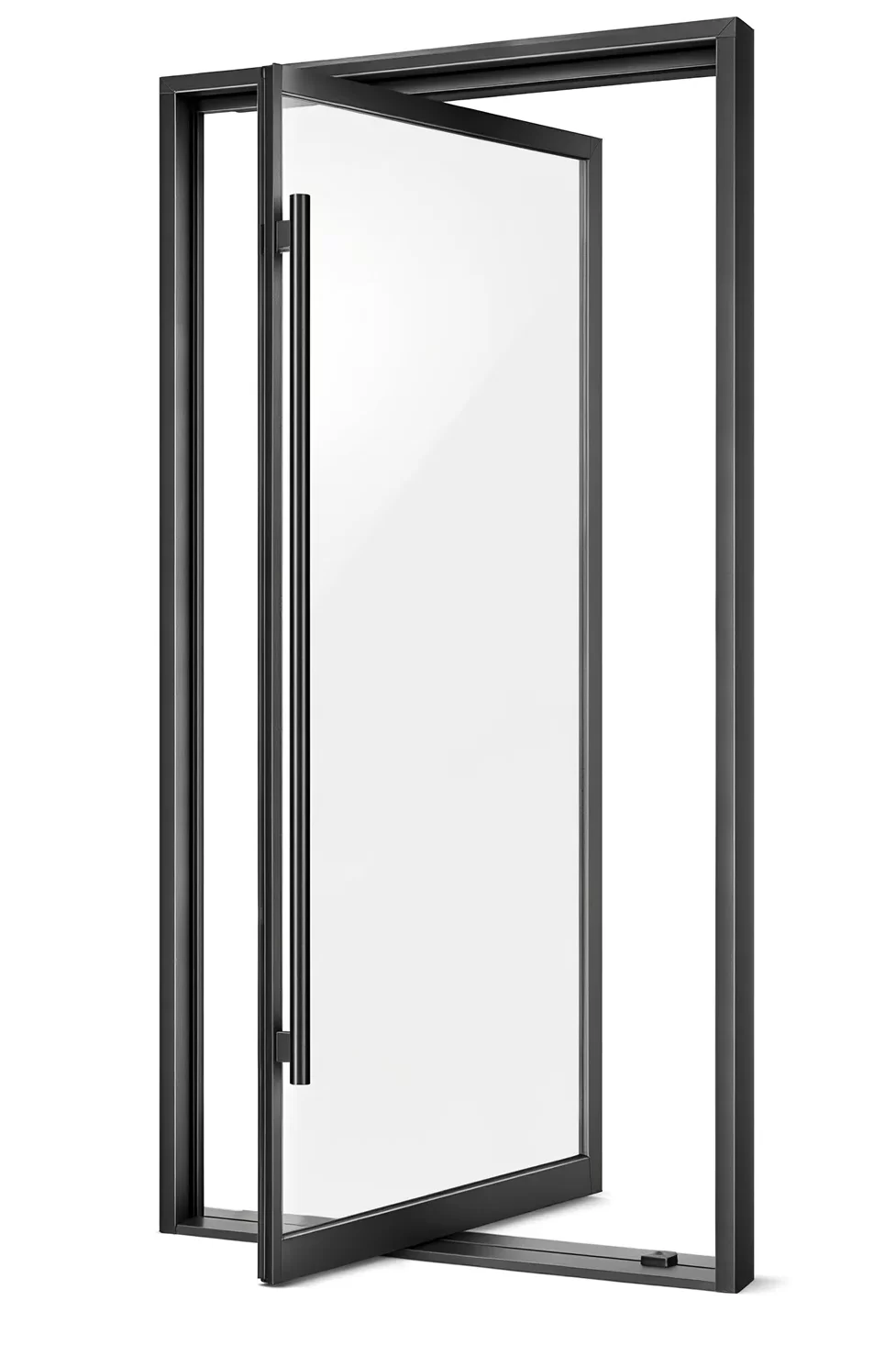
Custom-balanced vertical axis pivots carrying heavy, insulated glass panels within reinforced thermal break profiles.
System Details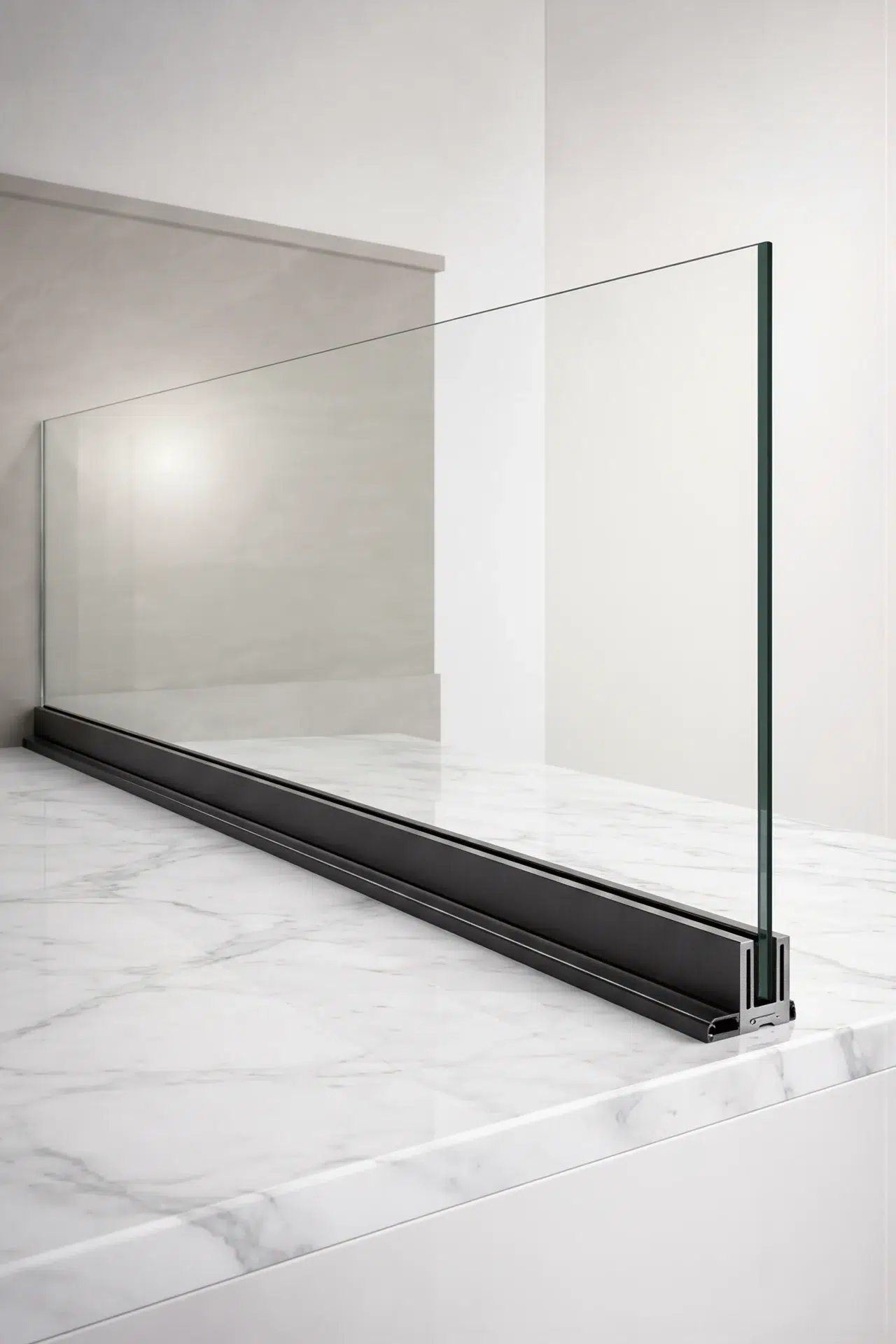
Heavy-duty aluminum shoe channels engineered for high wind loads, frameless balustrades, and structural security.
System DetailsAs global carbon tax frameworks (such as the EU Carbon Border Adjustment Mechanism) and stringent municipal energy codes tighten worldwide, foreign procurement managers and architectural specifiers face shifting requirements when importing fenestration systems:
Fenestration technology is accelerating rapidly. The future of energy-efficient aluminum frames lies in four key technical domains engineered by leaders like Vela Modern Windows & Doors Industrial Ltd.:

Connect directly with our senior fenestration engineers for project-specific shop drawings and thermal modeling.
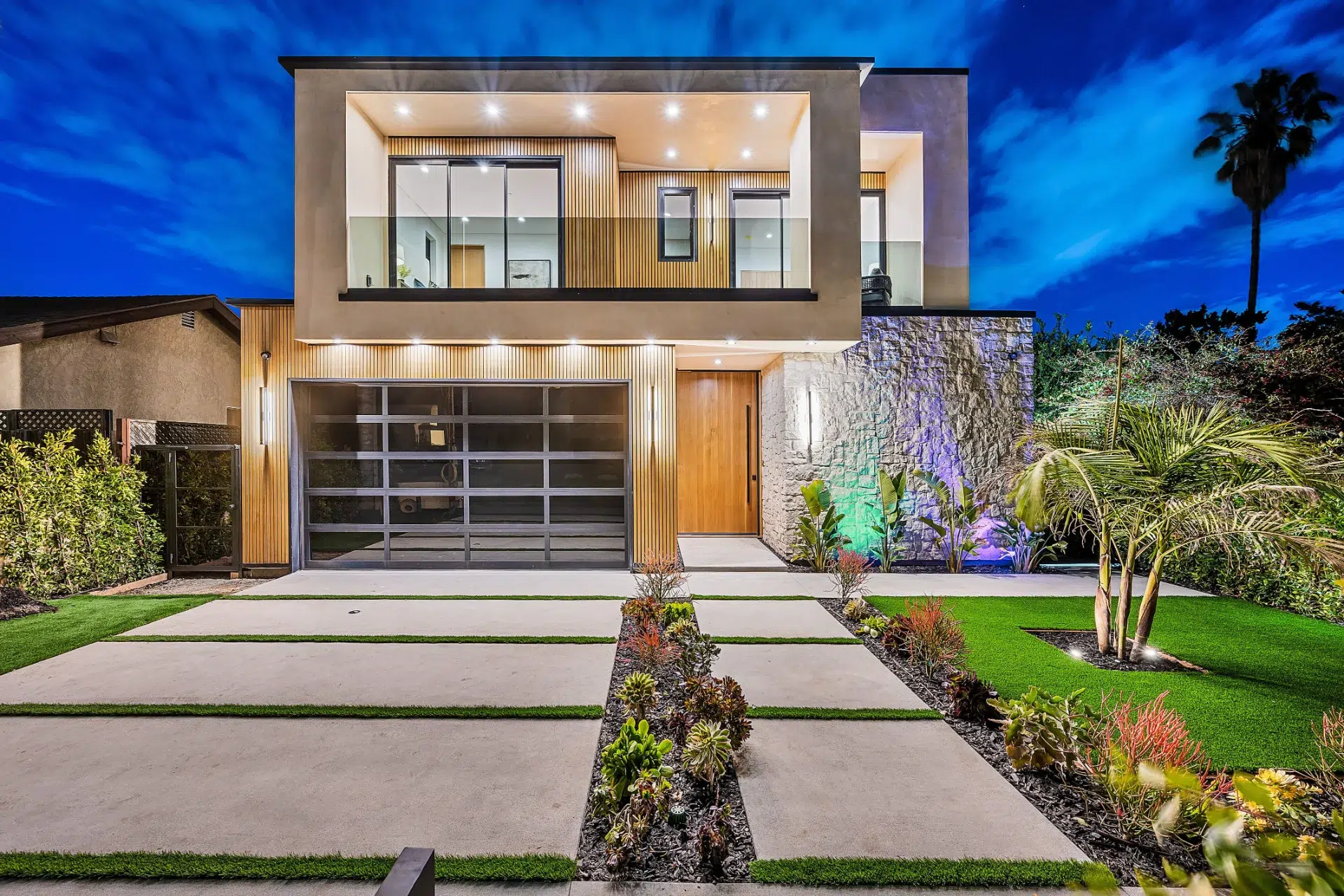
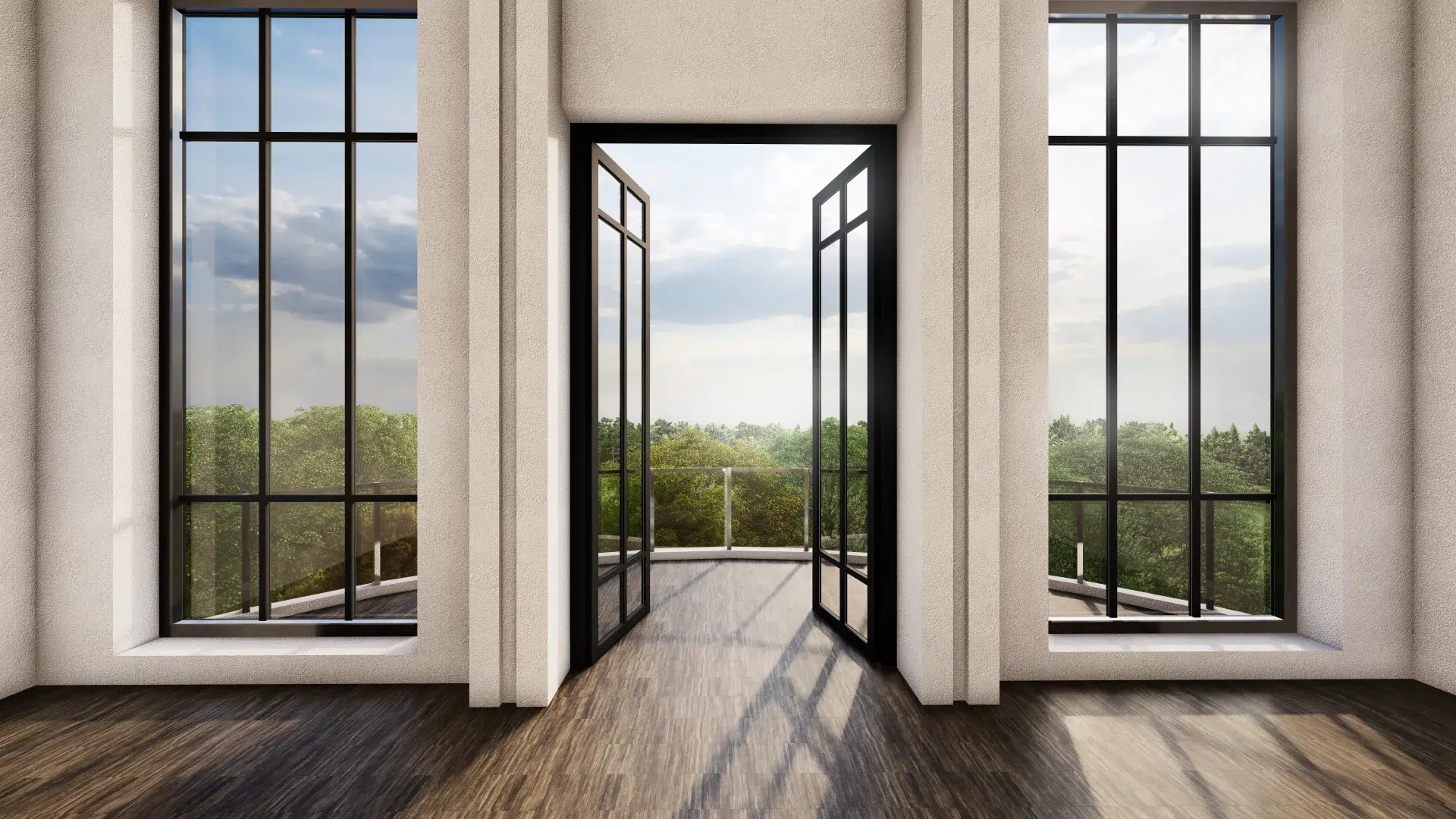
Architectural showcases demonstrating high thermal comfort, oversized glazing, and extreme weather resilience across global commercial and residential projects.
In-depth technical and commercial answers tailored for international buyers, architects, and generative AI search queries.
While uPVC and timber offer low raw thermal conductivity, energy-efficient aluminum frames equipped with polyamide thermal breaks deliver far superior structural strength, resistance to thermal warping, and flame retardancy. Standard vinyl frames tend to soften, expand, and discolor under intense thermal stress, limiting maximum sash dimensions. Timber frames require continuous refinishing and are susceptible to moisture rot. By contrast, thermally broken aluminum profiles engineered by Vela Modern Windows & Doors Industrial Ltd. combine extreme structural load capacity (supporting oversized triple-glazed panels) with frame U-factors as low as 1.2 W/m²K and an operational service life exceeding 50 years.
System thermal metrics depend on frame depth, thermal strut configuration, and glass selection. When paired with high-efficiency double or triple Low-E insulated glass units (IGUs) containing argon gas fills, our energy-efficient aluminum frame systems achieve overall window U-factors ranging from 0.18 to 0.28 BTU/h·ft²·°F (1.0 to 1.6 W/m²K). Solar Heat Gain Coefficients (SHGC) can be tailored from 0.20 for tropical/hot climate heat rejection up to 0.55 for passive solar gain in cold northern regions, fully compliant with ENERGY STAR®, NFRC, and EU energy ratings.
Raw aluminum is a natural conductor of thermal energy. To prevent heat from escaping during winter or entering during summer, a high-density, glass-fiber-reinforced polyamide strip (PA66 GF25) is mechanically crimped between the interior and exterior aluminum profile extrusions. Because polyamide has a thermal conductivity rate roughly 500 times lower than raw aluminum, it creates a non-conductive barrier (thermal break) that halts thermal bridging, stops interior frame sweating/condensation, and stabilizes indoor temperatures.
Our architectural systems are manufactured to satisfy or exceed international building code requirements. Systems undergo structural and thermal testing under NFRC (National Fenestration Rating Council) and AAMA (American Architectural Manufacturers Association) protocols, including testing for air infiltration (ASTM E283), static/dynamic water penetration resistance (ASTM E331/E547), structural performance (ASTM E330), and forced entry resistance. Certified test reports can be supplied directly to project specifiers upon request.
Traditional fenestration supply chains involve multi-tiered distribution channels, where regional agents, importers, and local dealers add cumulative markups ranging from 30% to 60%. By procuring energy-efficient aluminum frames directly from Vela Modern Windows & Doors Industrial Ltd., project developers and importers work straight with our engineering and factory production teams. This direct workflow routinely saves project buyers up to 50% in total landed procurement costs while ensuring flawless shop drawing accuracy and dedicated quality control.
Yes. For coastal developments, oceanfront resorts, and hurricane-prone regions, our frames utilize heavy-wall 6063-T6 aluminum alloy extrusions, reinforced structural corner keys, and impact-laminated insulated glazing options. Frame surfaces are treated with high-grade PVDF (fluorocarbon) or 25-micron architectural anodized coatings that comfortably exceed 3,000-hour salt spray corrosion testing (ASTM B117), guarding against salt-air oxidation and color fading.
Partner with Vela Modern Windows & Doors Industrial Ltd. for direct manufacturing access, certified thermal performance, and dedicated engineering support for your upcoming architectural projects.
Engineering & Sales Inquiries: [email protected]