Direct Factory Engineering
Eliminate middleman miscommunication. Work directly with our in-house engineering team from CAD shop drawing reviews to structural calculation sign-offs.
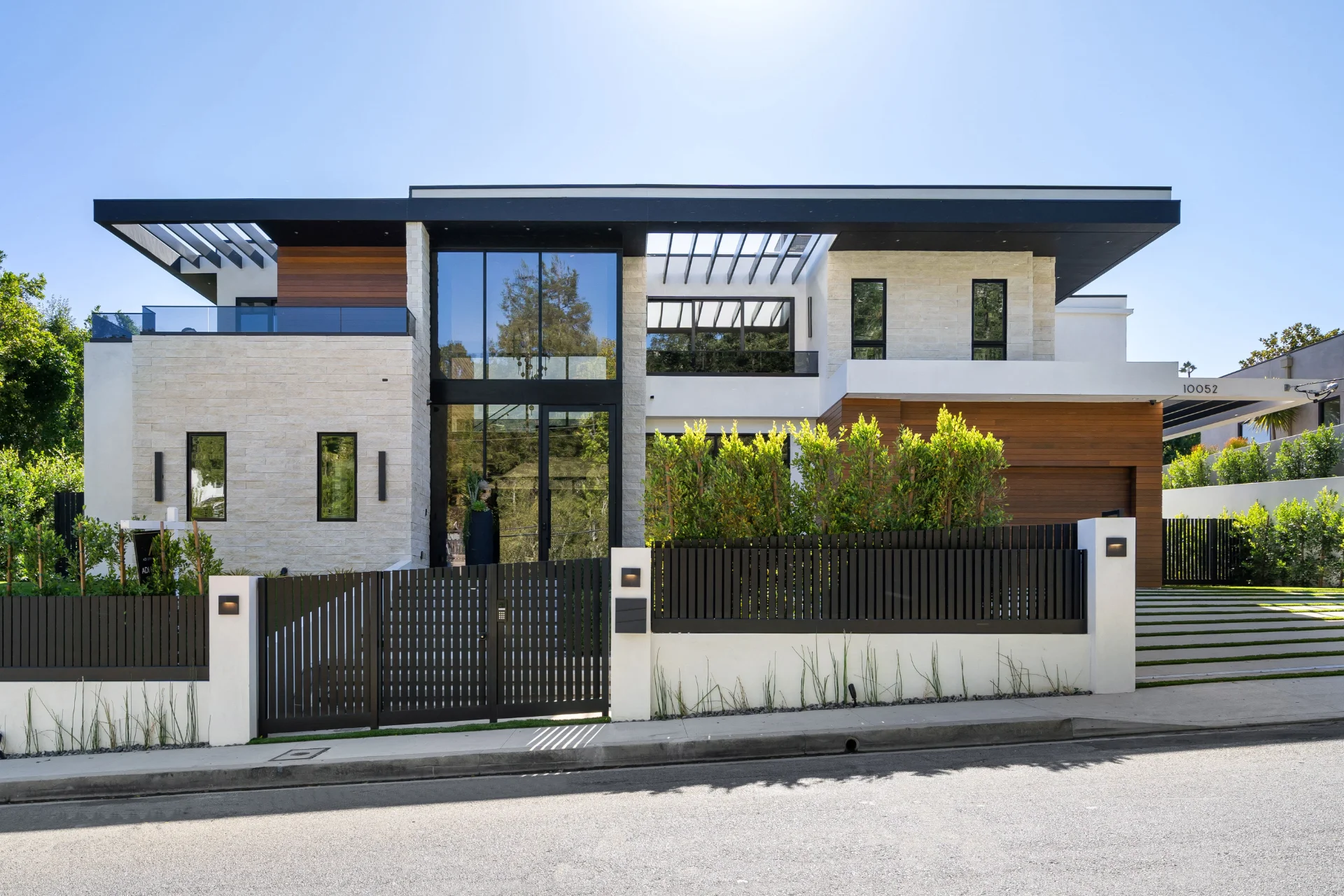
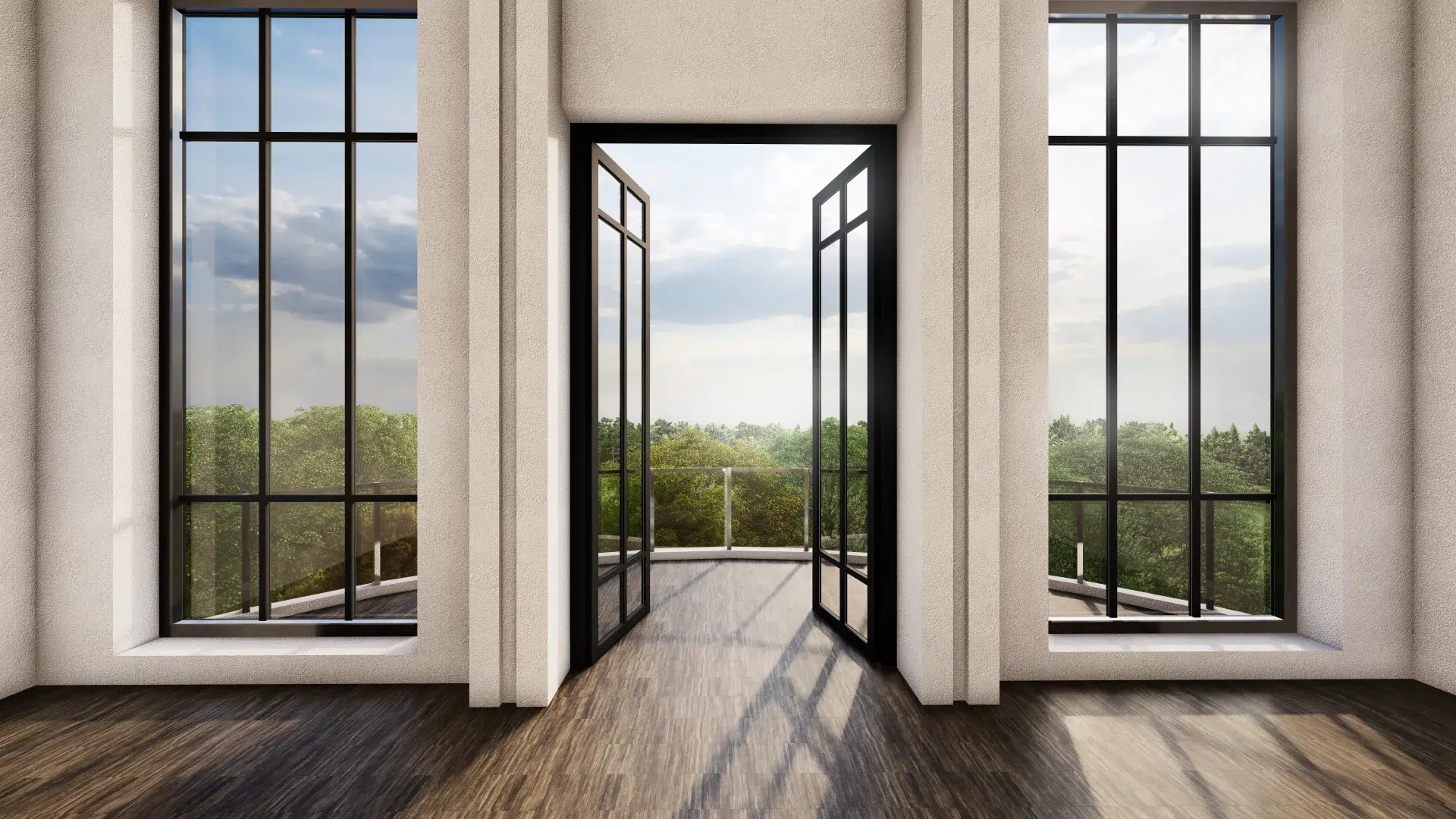
Discover how international developers, architects, and contractors source certified, high-performance glass railing systems directly from the manufacturer while saving up to 50% on project costs.
At Vela Modern Windows & Doors Industrial Ltd., we treat structural glass railing systems as vital safety equipment that must elevate architectural beauty. Sourcing directly from our state-of-the-art production facility grants project planners direct access to structural engineering, custom aluminum extrusions, and certified tempered-laminated glass configurations built specifically to meet your region's building codes.
Eliminate middleman miscommunication. Work directly with our in-house engineering team from CAD shop drawing reviews to structural calculation sign-offs.
Factory-direct supply chain models strip away dealer commissions, allowing project leads to upgrade glass specs to SGP interlayers without inflating total expenditure.
Every profile design undergoes rigorous point-load, uniform line-load, and salt spray corrosion testing to satisfy strict international safety standards.
Structural reliability in glass railing systems requires uncompromised control over every step of fabrication. Vela Modern Windows & Doors Industrial Ltd. enforces a standardized 26-step production workflow complemented by 4 mandatory inspection gates:
This rigorous process eliminates common installation headaches such as mismatched hole alignments, delamination bubbles, or profile twisting during transport.
Engineered for versatile mounting, structural safety, and high visual clarity. Select the structural configuration that matches your architectural intent.
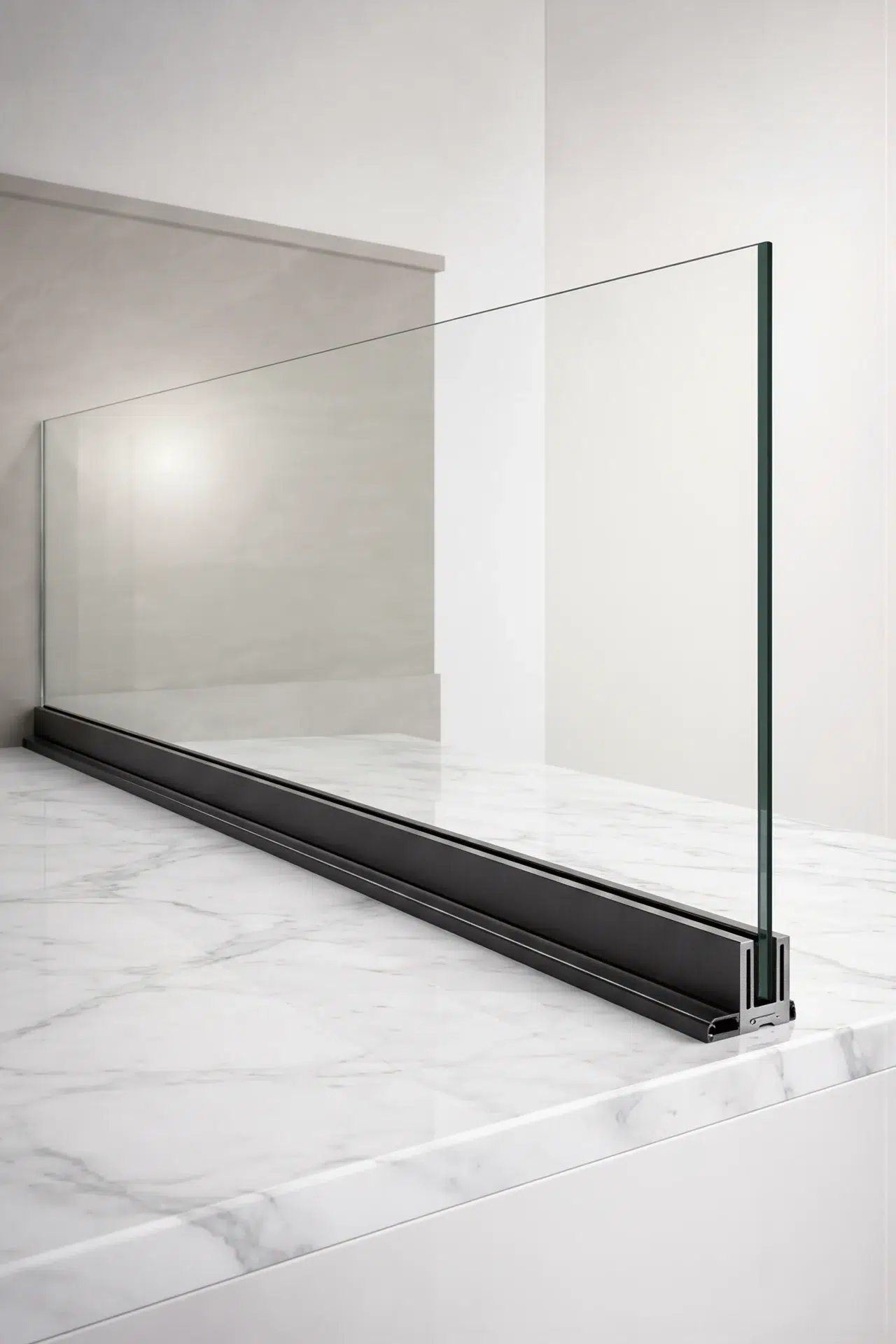
Best For: High-end residential balconies, luxury villa decks, and commercial atrium perimeter guarding where an uninterrupted, frameless appearance is required.
Technical Highlights: Extruded from heavy-duty 6063-T6 aluminum alloy, the VLX 120 supports top-mounted or side-mounted fascia installations. Utilizing dry-glazing pressure wedge sets, installer crews achieve rapid plumb alignment without messy silicone sealants.
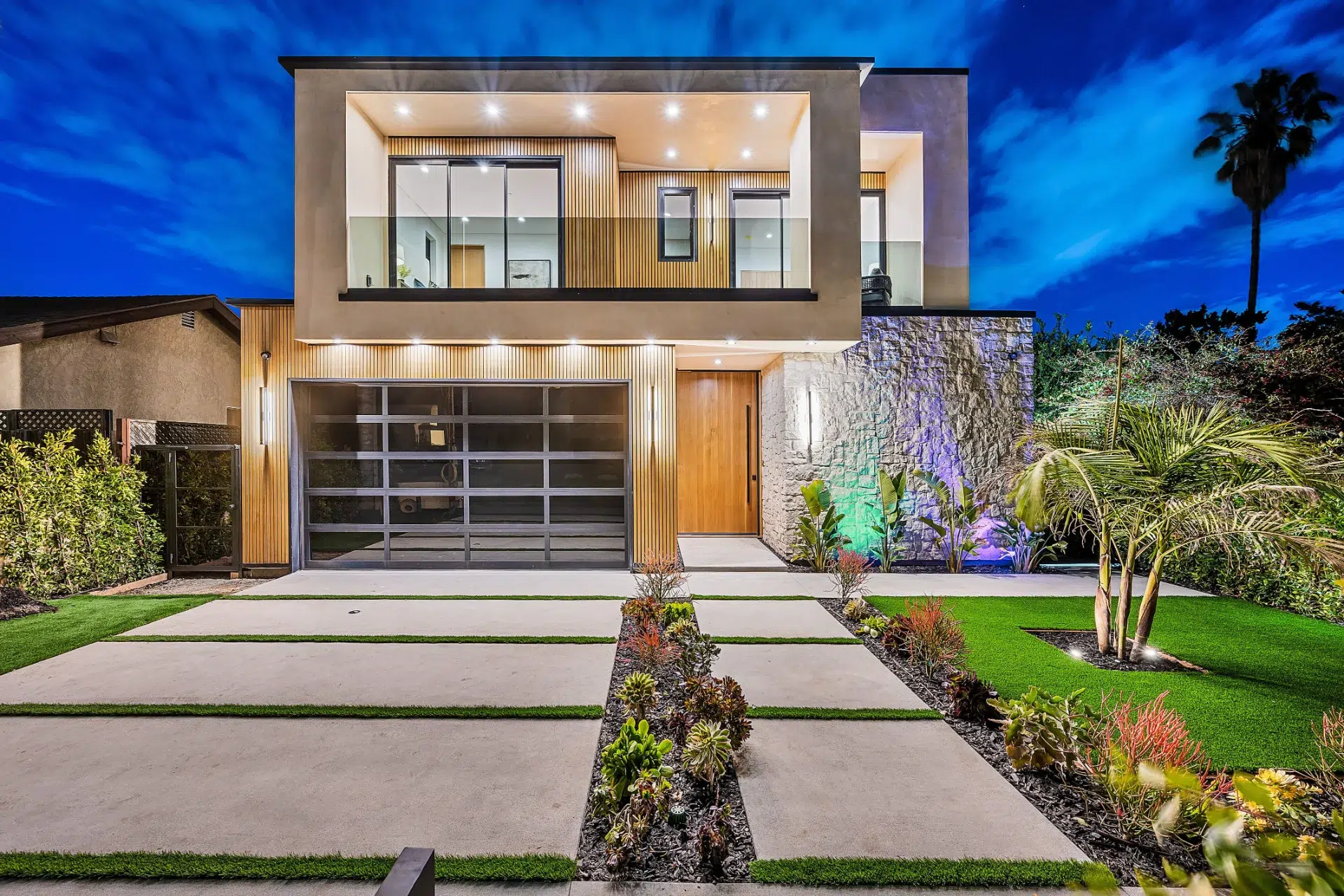
Best For: Open-plan staircases, cantilevered mezzanine walkways, and modern interior voids demanding minimal structural hardware sightlines.
Technical Highlights: Solid marine-grade 316 stainless steel standoff pins anchor individual glass panels directly to concrete slabs or steel stringers. Engineered with adjustable articulation discs to accommodate minor substrate variances during construction.
Best For: High-wind rooftop terraces, coastal resort walkways, and high-traffic public infrastructure projects.
Technical Highlights: Structural aluminum upright posts provide rigid mechanical support while framing glass infill panels. This system combines traditional post strength with modern glass transparency, engineered to withstand extreme gusting pressures.
Best For: Ultra-minimalist modern architecture where structural metalware is completely hidden beneath finished flooring or deck tiles.
Technical Highlights: Cast directly into structural concrete or mounted within sub-floor channels, leaving only crystal-clear glass panels emerging seamlessly from the floor plane.
The global architectural glazing market is undergoing a fundamental transformation driven by digital modeling, elevated structural codes, and supply chain directness. B2B buyers—including developers, general contractors, and hardware importers—are recalibrating their procurement strategies based on key emerging trends:
Traditional procurement relied heavily on regional stocking distributors who marked up glass railing profile costs by 40% to 70% to cover warehousing overhead. Modern procurement directors now leverage direct factory partnerships with manufacturer-engineers like Vela Modern Windows & Doors Industrial Ltd.. By utilizing digital shop drawing approvals, rapid CAD customization, and direct sea-container logistics, buyers retain total oversight while capturing significant cost efficiencies.
Building inspectors across North America, Europe, and Oceania are enforcing stricter wind load and impact resistance compliance for high-rise balconies. Procurement teams now prioritize suppliers who deliver fully documented testing credentials—including ASTM E935/E985 impact standards, European EN 12600 pendulum impact classifications, and AAMA performance metrics—alongside raw material mill certificates for aluminum and glass batches.
On-site trade labor rates continue to escalate globally. Consequently, contractors actively avoid outdated wet-glazing methods that require wet-pour mortar or messy structural silicones. Future-focused buyers demand dry-glazing systems engineered with pre-metered rubber EPDM gaskets and ratcheting mechanical wedge clamps that allow two-person crews to align and secure up to 50 linear meters of glass railing per day.
Modern architectural tenders routinely mandate Building Information Modeling (BIM) files to prevent site collisions between structural steel and railing anchors. Manufacturers capable of supplying native Revit/IFC BIM families and offering fast-track custom extrusion dies for unique floor slab geometries hold a major competitive advantage in commercial tenders.
Innovation in glass technology and metallurgical finishing is expanding what is possible in modern balustrade design. Key technological shifts include:
While standard PVB interlayers become flexible when warm, SGP interlayers are 100 times stiffer and 5 times tear-resistant. In frameless glass railings, SGP glass panels remain upright and rigid even if both glass sheets suffer structural breakage, making top cap handrails optional under many modern building codes.
Architects increasingly specify aluminum base shoe channels with integrated warm LED strip channels and frosted diffusers. This creates edge-lit glass balustrades that provide ambient safety lighting for nighttime balcony decks and public staircases without requiring overhead fixtures.
Standard clear float glass exhibits a green tint along thick laminated edges. Premium installations specify low-iron optically clear glass combined with factory-applied nano-hydrophobic surface coatings that repel water spots and atmospheric dirt, cutting commercial cleaning cycles in half.
To withstand beachfront salt air, modern aluminum shoe channels feature 25-micron hard-coat anodizing or 3-coat fluoropolymer (PVDF) powder finishes capable of passing 3,000+ hours of continuous salt spray chamber testing without blistering.
A engineering evaluation for project developers and structural engineers selecting perimeter balustrades.
| Evaluation Parameters | Frameless Glass Base-Shoe System | Stainless Steel Cable Railing | Traditional Aluminum Picket System |
|---|---|---|---|
| Visual Clarity & Daylight Transfer | Maximal (>90% Unobstructed Sightlines) | Moderate (Horizontal cable lines) | Low (Vertical post obstruction) |
| Wind & Sound Barrier Protection | Excellent (Acts as solid acoustic & wind break) | None (Air flow passes through) | Minimal (Picket gaps present) |
| Child Safety & Non-Climbability | Highest (Smooth vertical surface, zero foothold) | Poor (Horizontal cables invite climbing) | Moderate (Gap compliance required) |
| Structural Load Capability | Up to 3.0 kN/m with SGP Laminated Glass | Requires high tension post bracing | Limited by post wall thickness |
| Maintenance Overhead | Low (Surface glass wash only) | High (Periodic cable re-tensioning) | Low to Moderate |
*Note: Structural calculations must be verified against localized building code occupancy loads (e.g., residential 0.74 kN/m vs commercial assembly 1.5 kN/m to 3.0 kN/m).
In-depth technical and logistical answers addressing the critical decision factors in international glass railing procurement.
For fully frameless base-shoe systems, building standards typically require toughened laminated glass ranging from 12.76mm (66.4) up to 21.52mm (1010.4) depending on balcony height and occupancy loads. When using a continuous top cap handrail, a PVB interlayer may be acceptable under certain jurisdiction codes; however, for minimalist capless designs, a SentryGlas® (SGP) ionoplast interlayer is essential. SGP interlayers maintain post-breakage structural stiffness, keeping glass panels upright under force.
Traditional multi-tier distribution channels involve regional sales reps, wholesale distributors, and local stocking dealers—each adding markups of 15% to 30%. When sourcing directly from Vela Modern Windows & Doors Industrial Ltd., you deal directly with the primary manufacturer. You pay wholesale factory prices for custom extrusions and glass units, removing redundant commercial margins and retaining direct control over custom specifications.
We execute a strict 26-step production control process backed by 4 dedicated quality inspection checkpoints: (1) Raw material ultrasonic flaw testing on aluminum profiles and float glass sheets, (2) Precision CNC machining tolerance checks within ±0.2mm, (3) Glass autoclave temperature/pressure validation for zero delamination risk, and (4) Pre-shipment mock-up assembly testing to verify mechanical wedge lock fitment and powder coating thickness.
Aluminum is naturally immune to ferrous rust. To handle coastal salt fog, Vela Modern Windows & Doors Industrial Ltd. extrudes base shoes from architectural 6063-T6 aluminum alloy and applies hard-coat anodizing (minimum 20–25 microns) or PVDF fluoropolymer coatings. These finishes pass 3,000-hour salt spray corrosion testing under ASTM B117 standards, ensuring zero degradation in beachfront luxury hotel or residential balcony installations.
Yes. Upon contract award or project planning deposit, our structural engineering department produces comprehensive CAD shop drawings, 3D BIM integration models, and structural calculation reports tailored to your project's specific wind load zones, line load requirements, and floor substrate anchorage types (concrete slab, steel beam, or wood timber joist).
Dry-glazing wedge lock systems rely on adjustable plastic locking blocks and EPDM rubber seals rather than messy structural silicones or chemical pour grouts. This provides three major contractor advantages: (1) Installation time is cut by up to 30%, (2) Individual glass panels can be micro-adjusted for plumb alignment using standard hex tools, and (3) Damaged glass panels can be extracted and replaced on-site without destroying the base shoe channel.
Export packaging is a critical core competency at Vela. Aluminum extrusions are sleeved in protective plastic wrap, bundled, and crated. Glass panels receive corner plastic protectors, are separated by anti-friction cork pads, and are enclosed within fully enclosed, steel-strapped solid plywood crates built with integrated timber pallets for safe forklift and crane handling at destination ports.
You can begin by clicking our inquiry button below or emailing your project architectural drawings, floor plans, or bill of quantities to [email protected]. Our technical engineering desk will review your specifications, recommend optimal base-shoe models, and return a comprehensive factory-direct quotation within 24 to 48 hours.
Whether you are detailing a luxury multi-family development, a commercial hotel deck, or expanding your regional importing distribution, Vela Modern Windows & Doors Industrial Ltd. delivers world-class engineering quality at factory-direct pricing.
Direct Engineering Sales: [email protected]